Meta and Oxford's VGGT-Omega is a CVPR 2026 oral that cuts GPU training memory by roughly 70%, scales to 10B parameters, and beats optimization pipelines on dynamic scenes. Here's what changed and how I'd evaluate it before betting a product on feed-forward 3D.
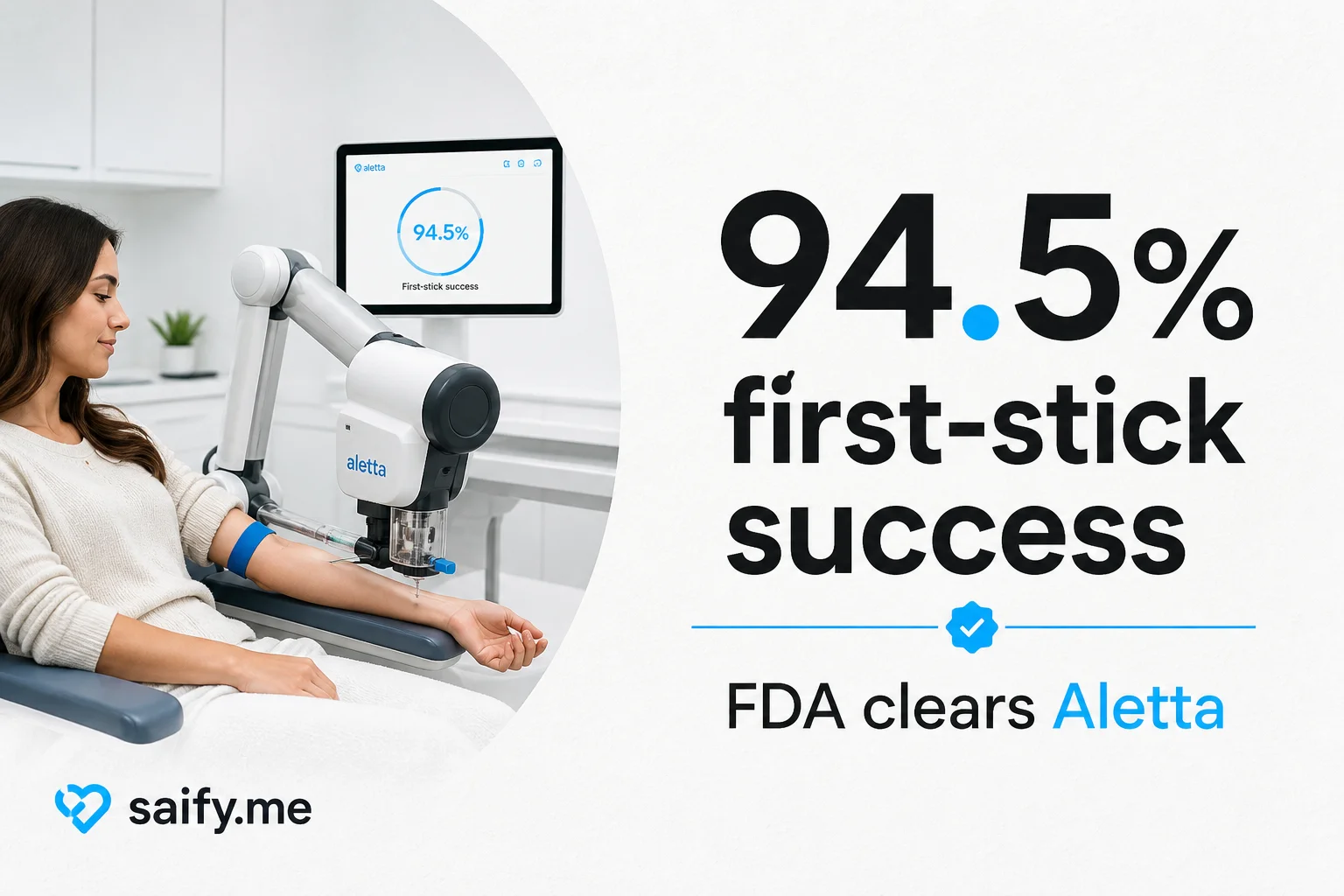
Vitestro's Aletta received FDA De Novo authorization for autonomous phlebotomy: vein imaging, needle insertion, tube swaps, and bandaging. I unpacked the trial numbers and what a 1-to-3 staffing model means for clinics.
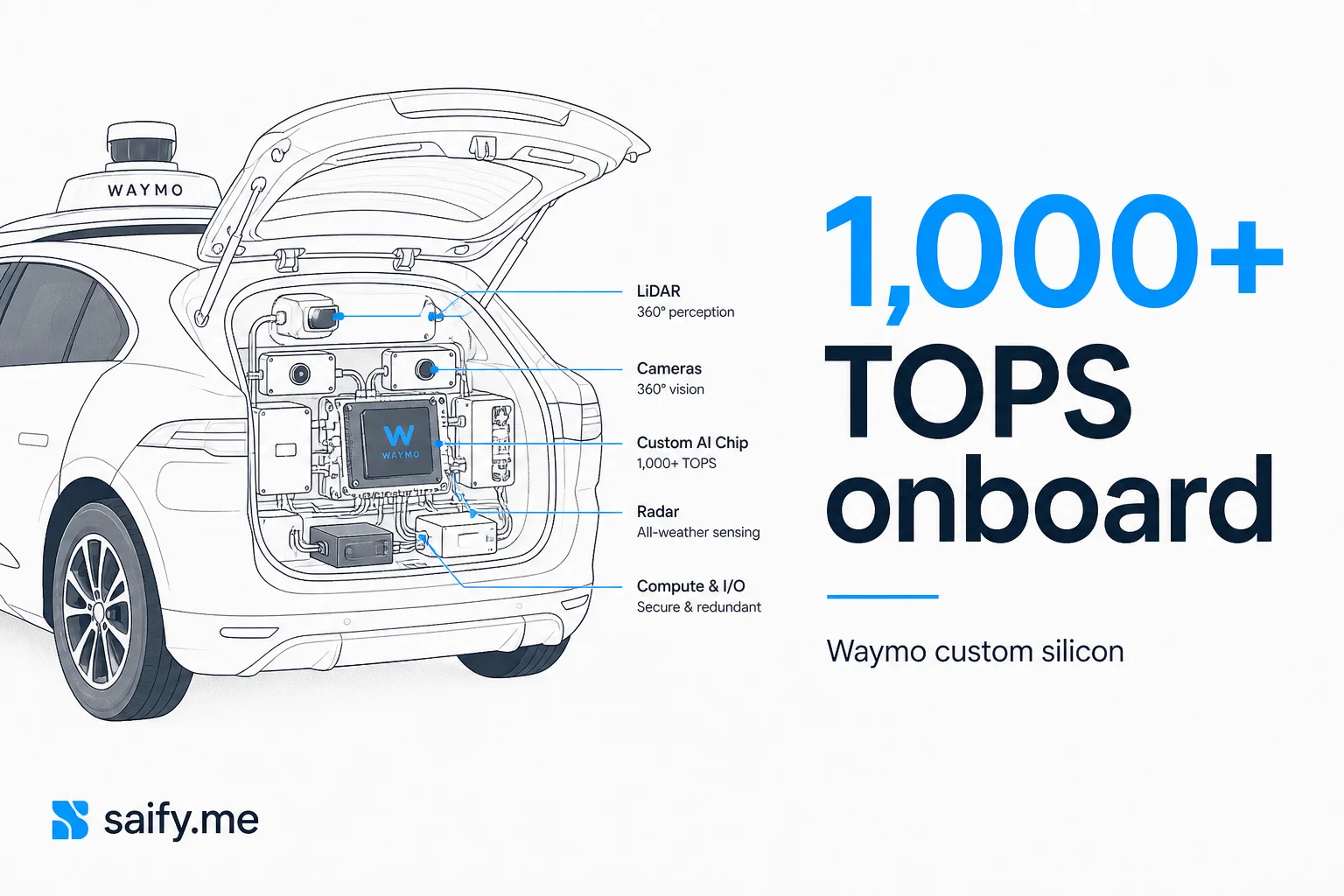
Waymo revealed a purpose-built 5nm ASIC for front-end sensor processing, 1,000+ TOPS onboard, and 20x compute scaling in eight years. I mapped what that means for anyone shipping physical AI at the edge.
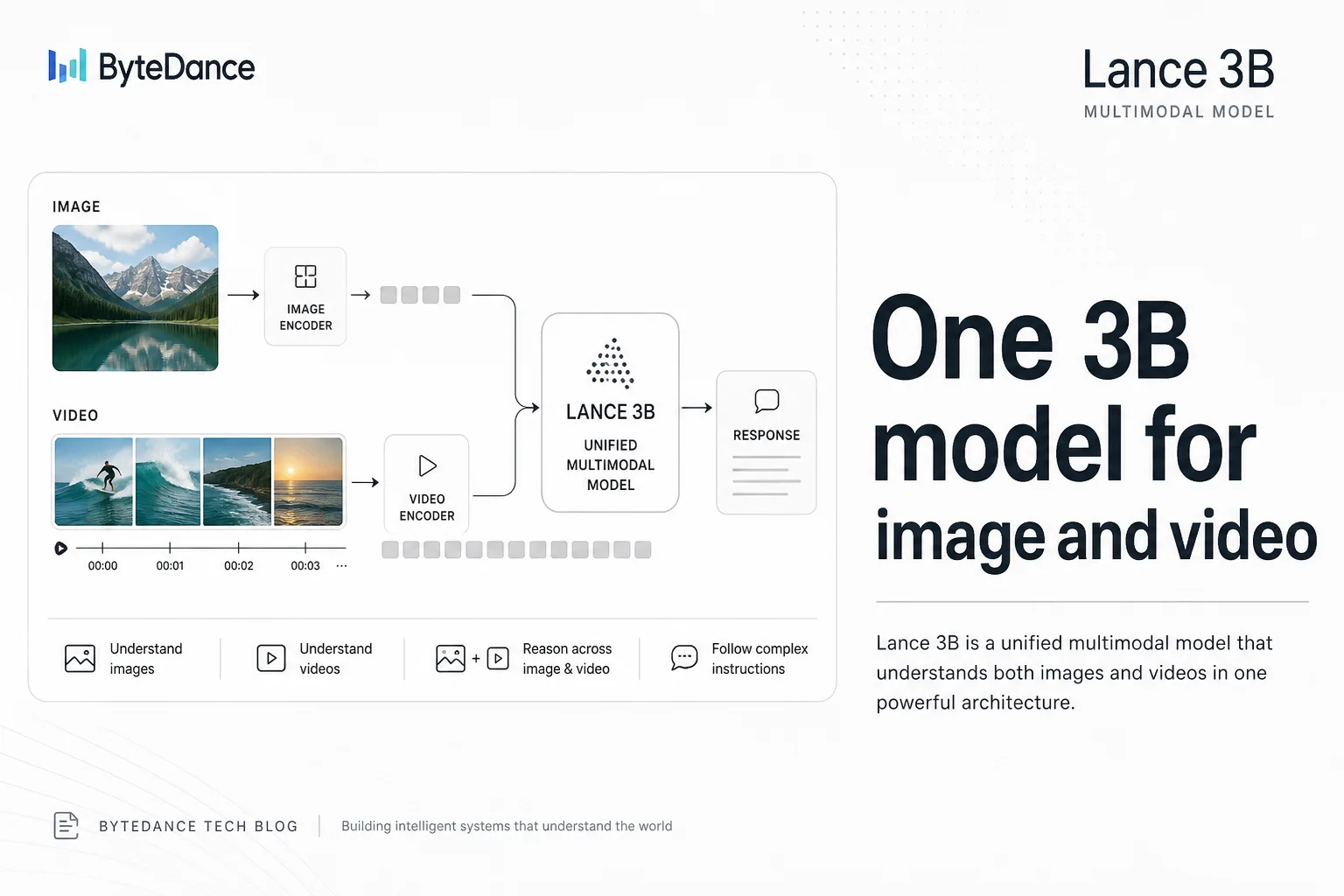
Lance is ByteDance's Apache 2.0 unified multimodal model at 3B active parameters. It handles captioning, VQA, text-to-video, and multi-turn edits in one framework, trained on 128 A100s. Here's what that means if you ship generative media.
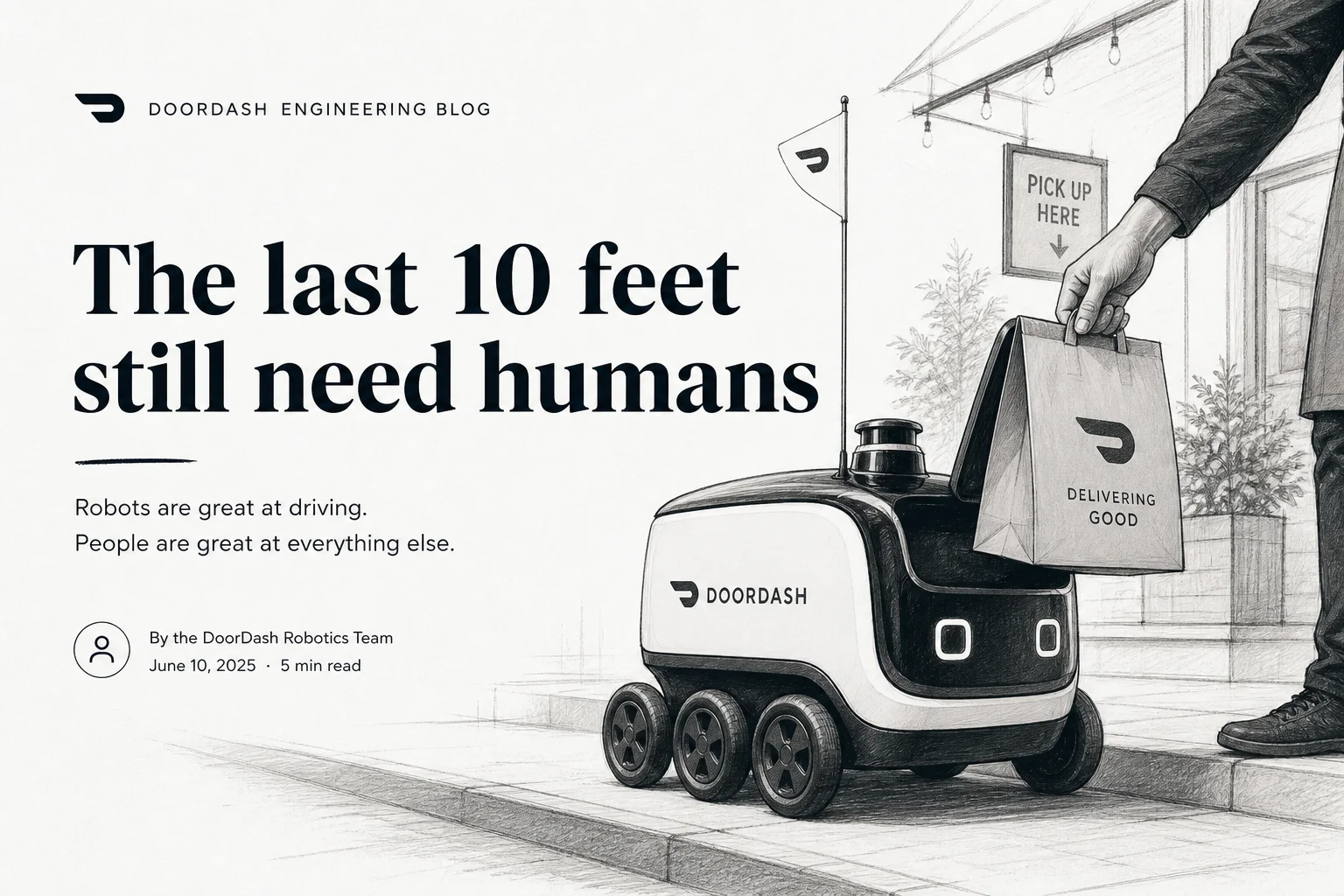
Dot can drive 20 mph on roads and sidewalks, but it cannot pick up a bag at the counter. DoorDash's Phoenix pilot pays gig workers to bridge that gap. That handoff problem shows up in every ops automation project.
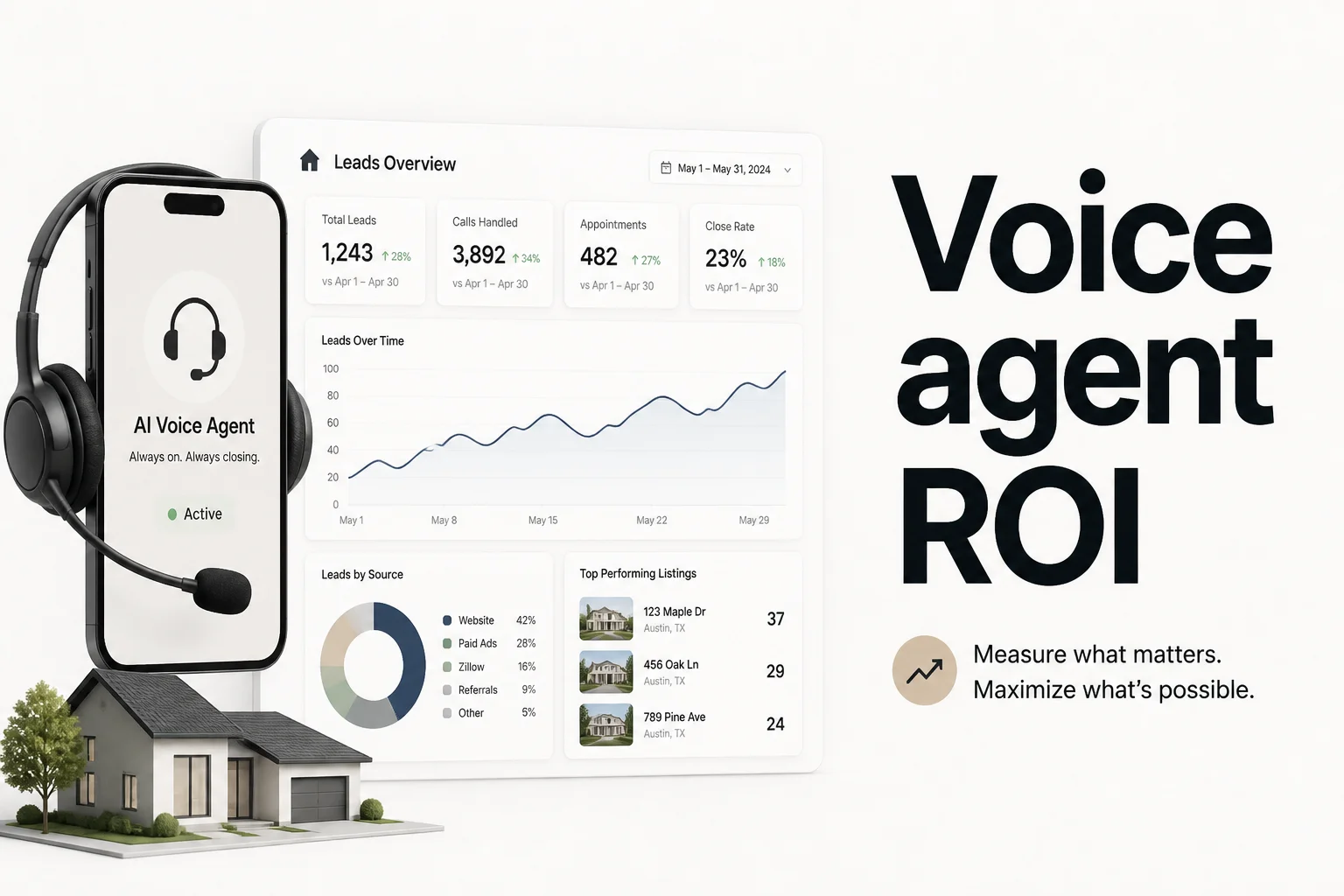
Work the real estate voice agent ROI numbers yourself: missed buyer and seller calls, after-hours coverage, and speed-to-lead. Includes when chat or SMS beats voice, and how to avoid inflated 21x marketing slides.
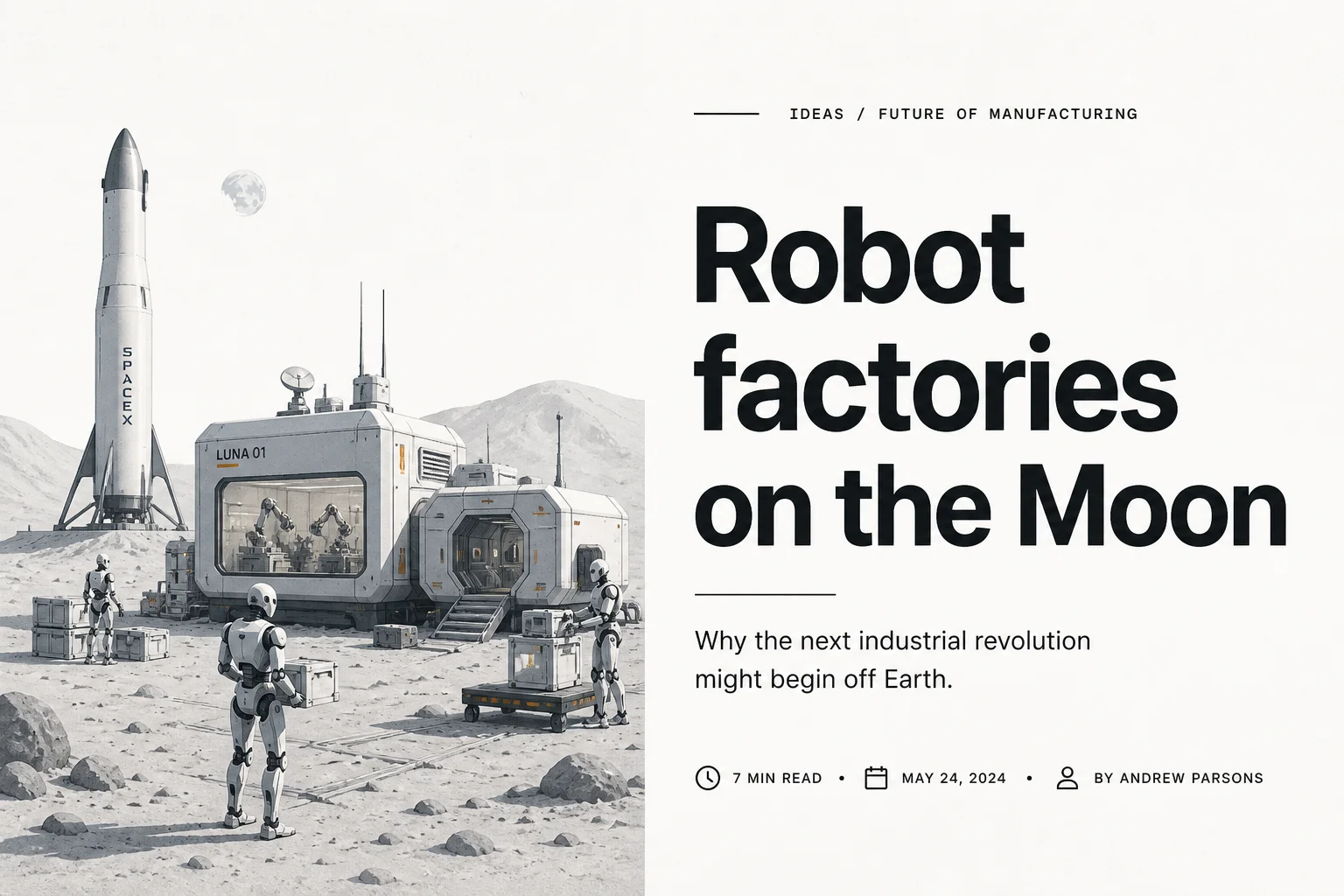
On August 4, 2026, Elon Musk told SpaceX shareholders that humanoids would build lunar factories, solar arrays, and a mass driver. The stock fell 5%+. The gap between sci-fi roadmap and disclosed spending is the engineering story.
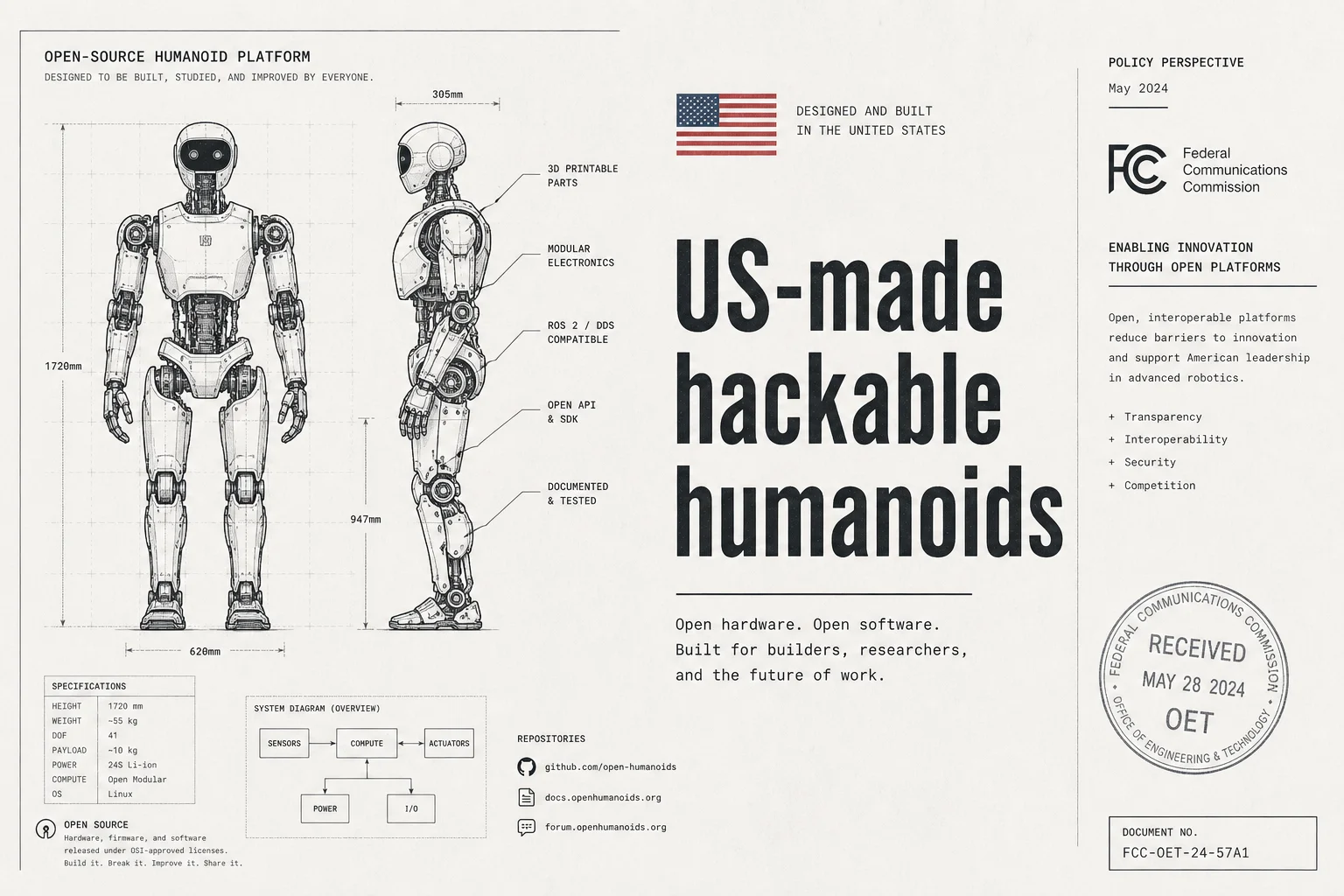
Public Notice DA 26-786 blocks new foreign-made advanced robots from FCC authorization. Steel Bot, founded by MIT roboticist Randall Briggs, is pitching an open, US-made biped for researchers. K-Scale proved demand. Funding is the hard part.