Blog 385 posts
Notes from the trenches on AI engineering, LLM apps, and the full-stack work that holds it all together.
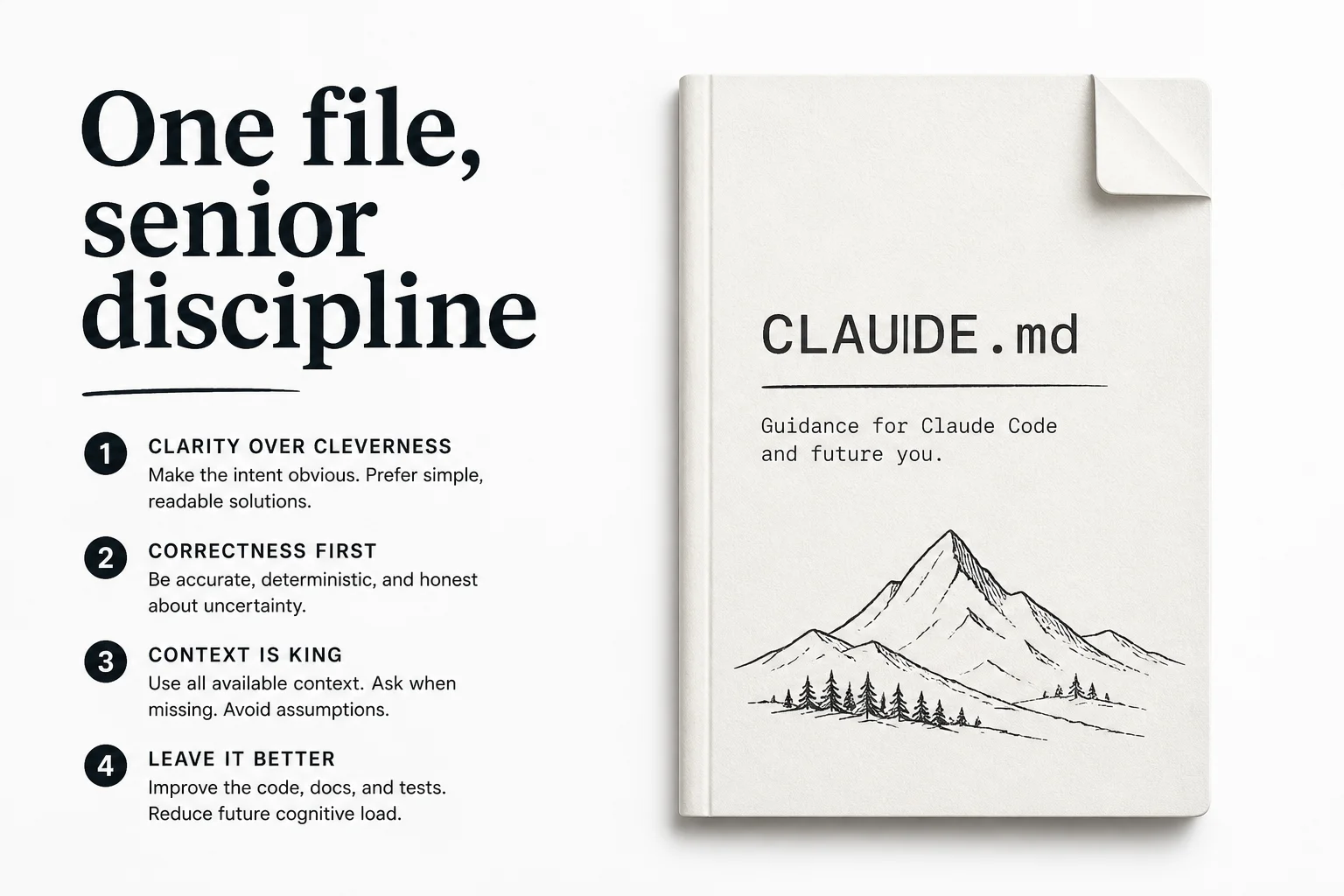
multica-ai's andrej-karpathy-skills repo distills four behavioral rules from Karpathy's LLM coding critiques into a single file for Claude Code and Cursor. Here is why minimal beats another plugin marketplace.
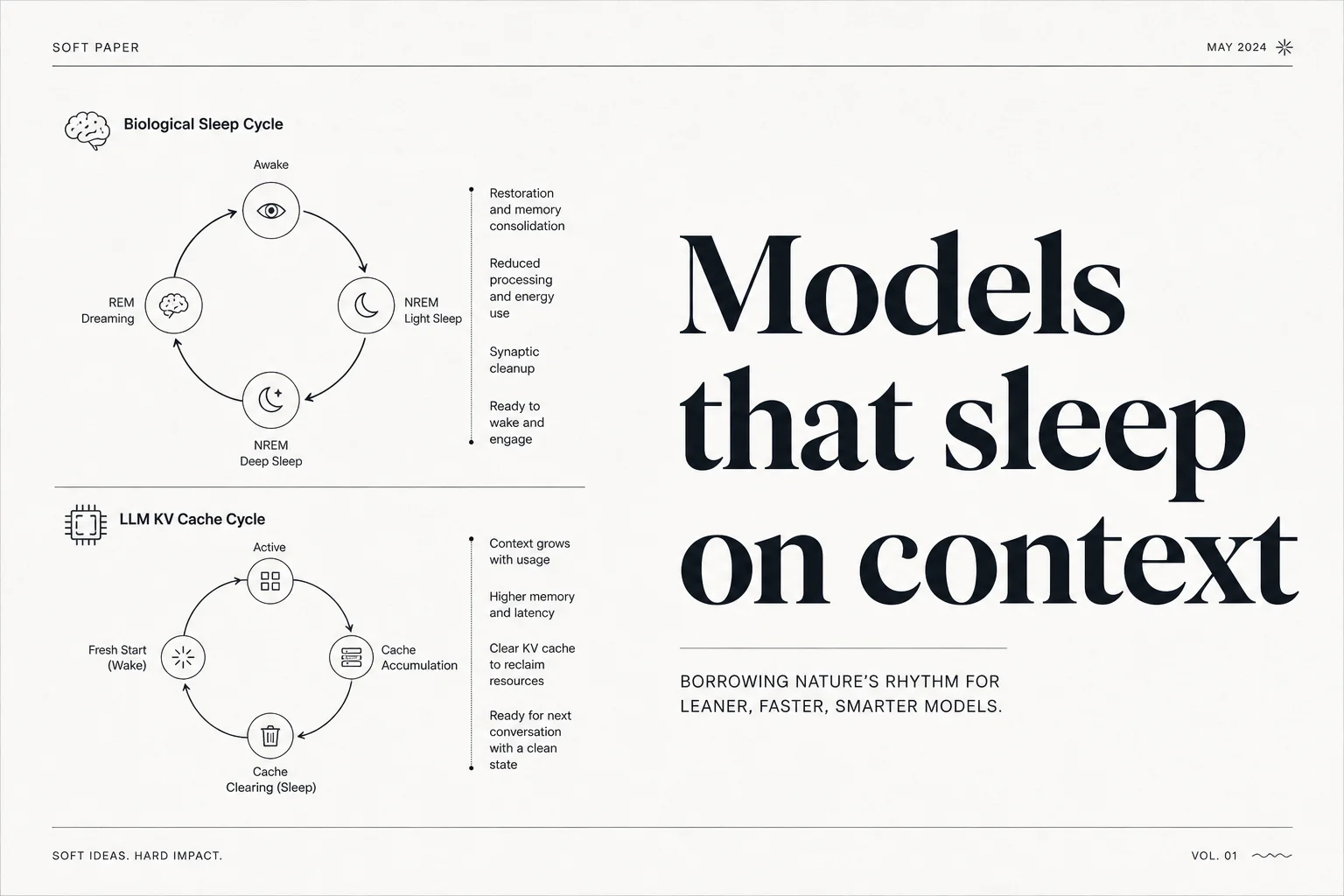
CMU and Maryland researchers add an offline sleep phase where models consolidate KV cache into fast weights before clearing context. Longer sleep duration N improves hard reasoning tasks without hurting wake-time latency.
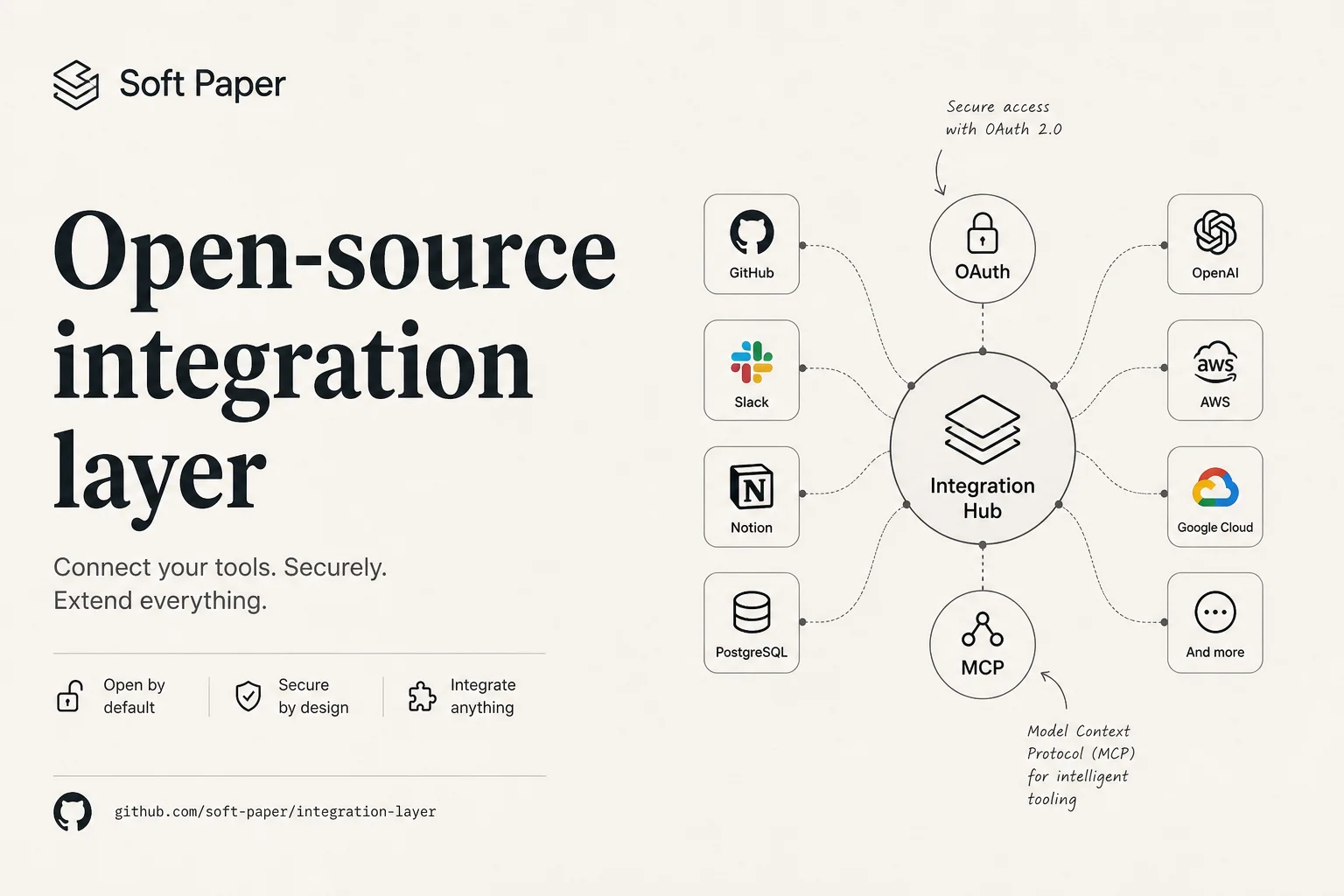
Nango ships auth, proxy, and TypeScript integration functions across 900+ APIs with MCP support for agents. Here is when self-hosting beats stitching OAuth flows by hand.
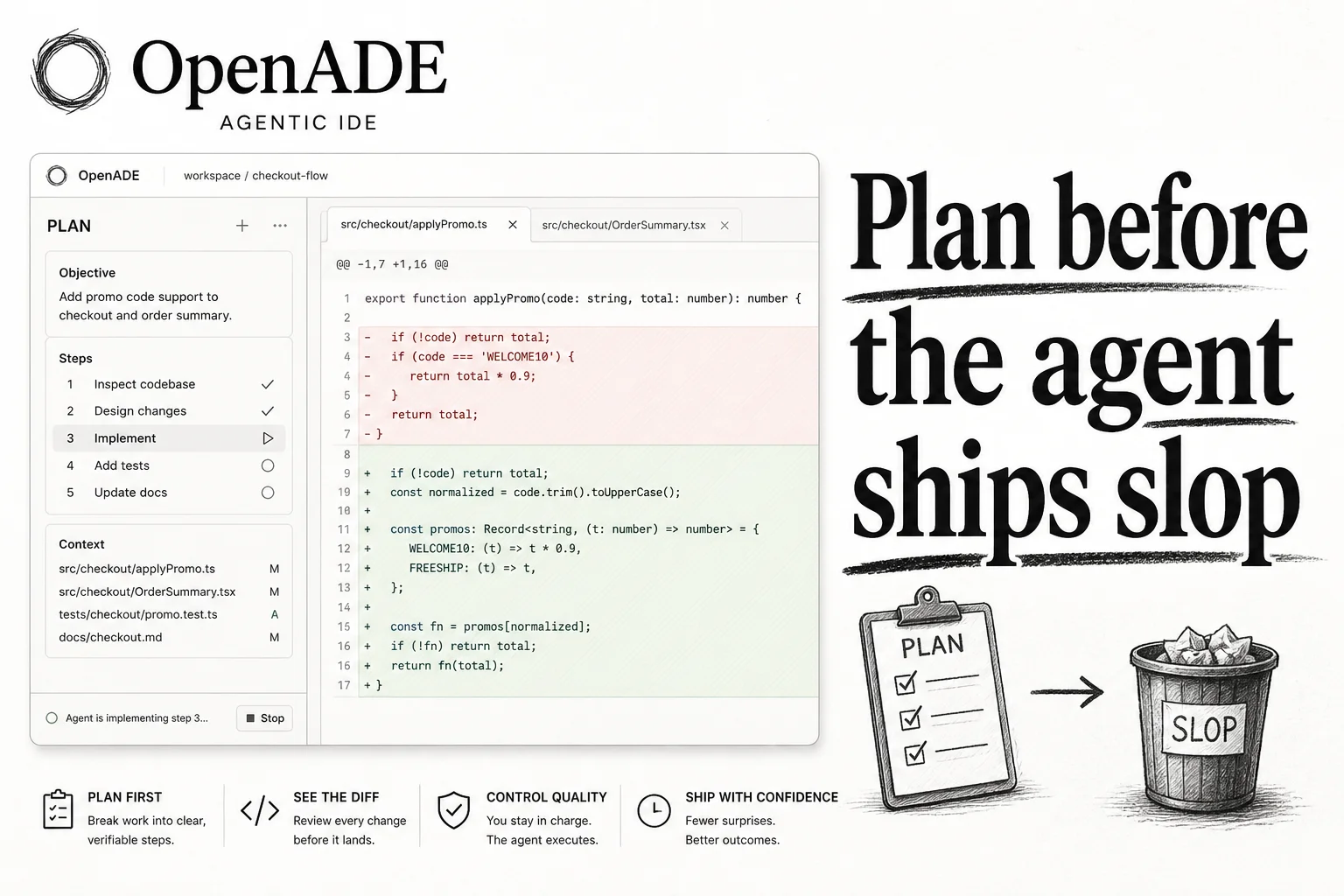
Bearly AI's OpenADE adds a reviewable plan step before Claude Code or Codex touches your repo, with git snapshots on every run. Here is when that loop beats firing agents straight at code.
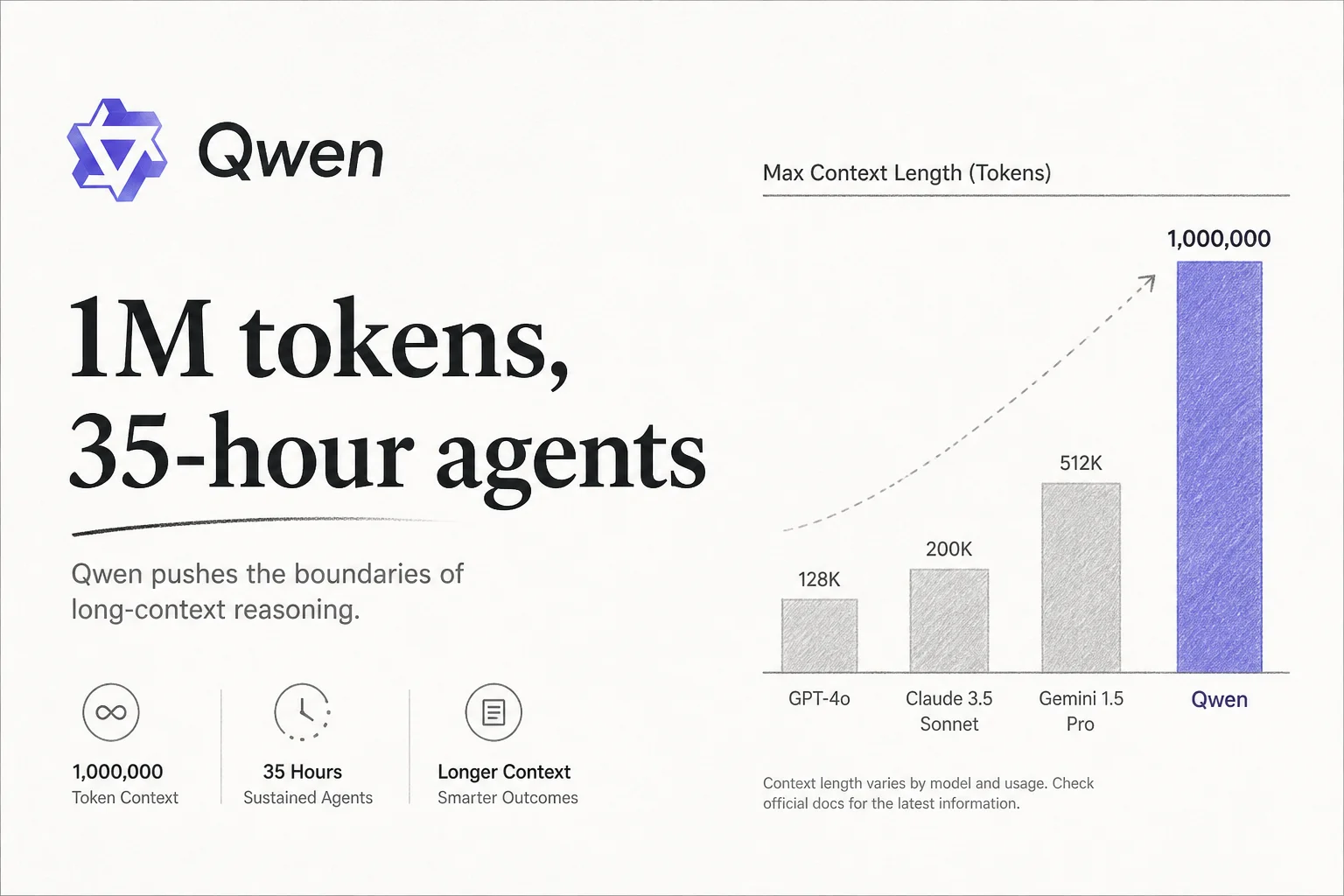
Alibaba's Qwen3.7 Max brings a 1 million token context window, strong SWE-Bench scores, and Anthropic-compatible APIs to agent workloads. Here is what that means if you ship coding agents for a living.
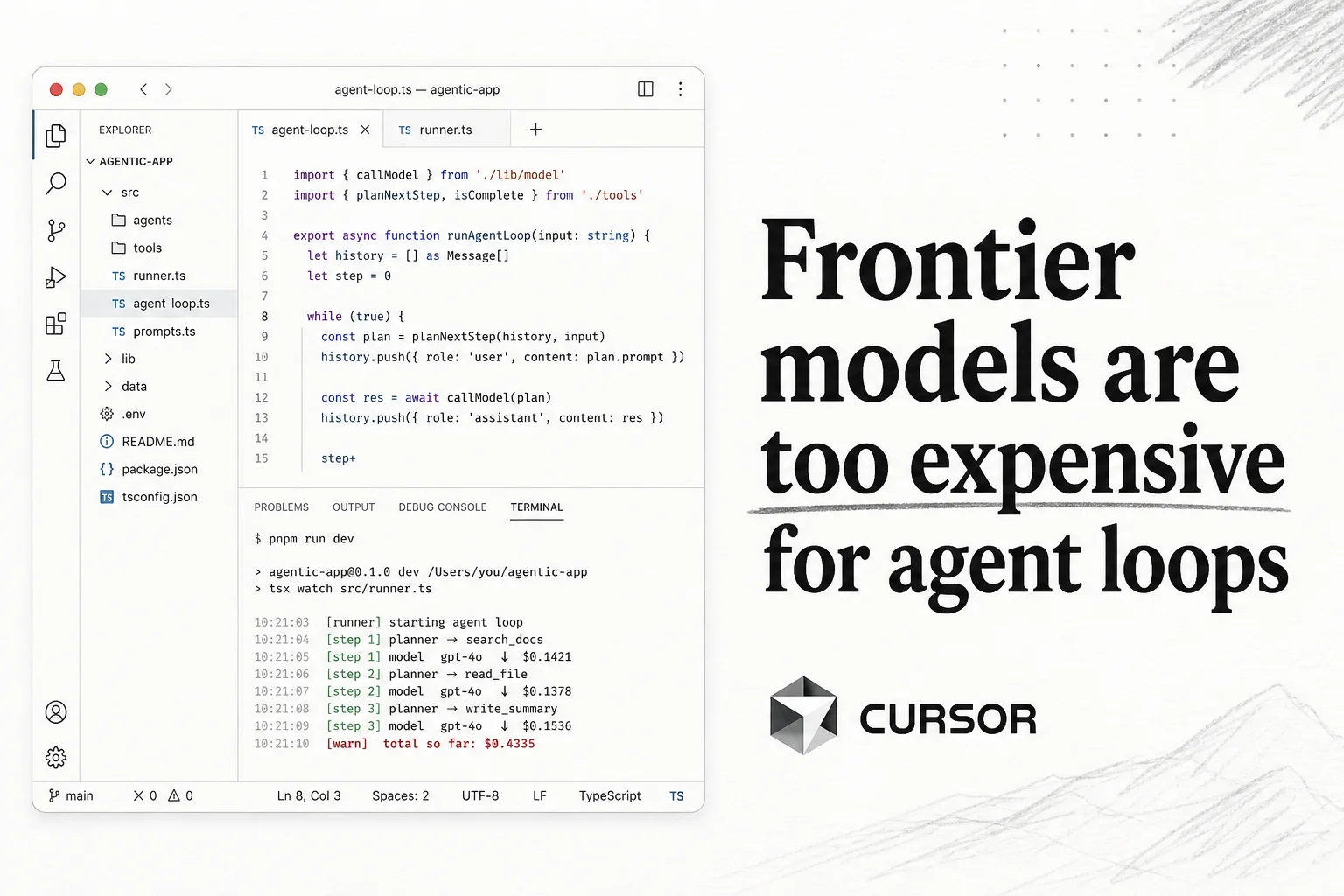
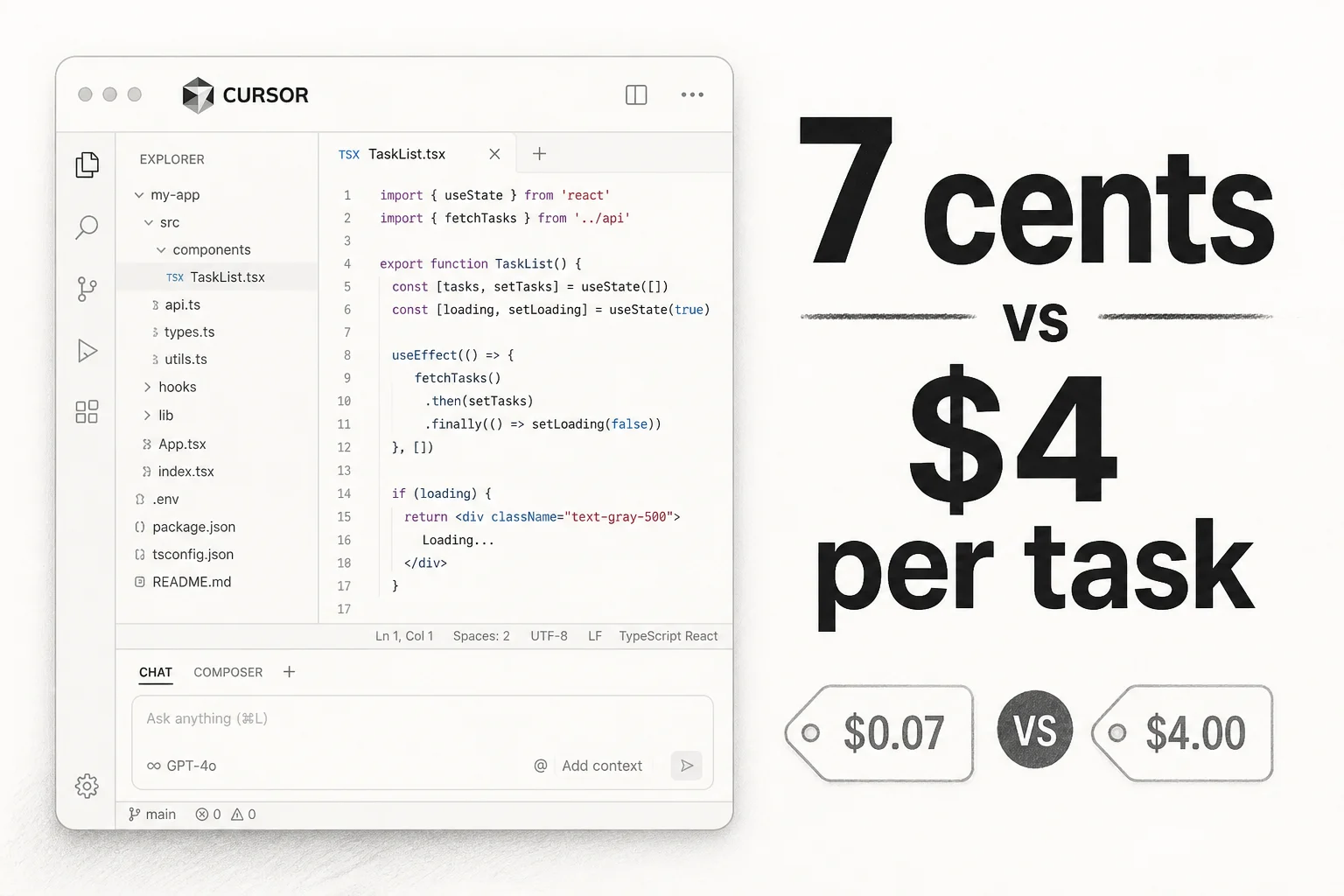
Composer 2.5 scores 62 on the Coding Agent Index at $0.07 per task while Opus 4.7 costs $4.10. Here's the hybrid routing math I use when agent loops would bankrupt a frontier-only stack.
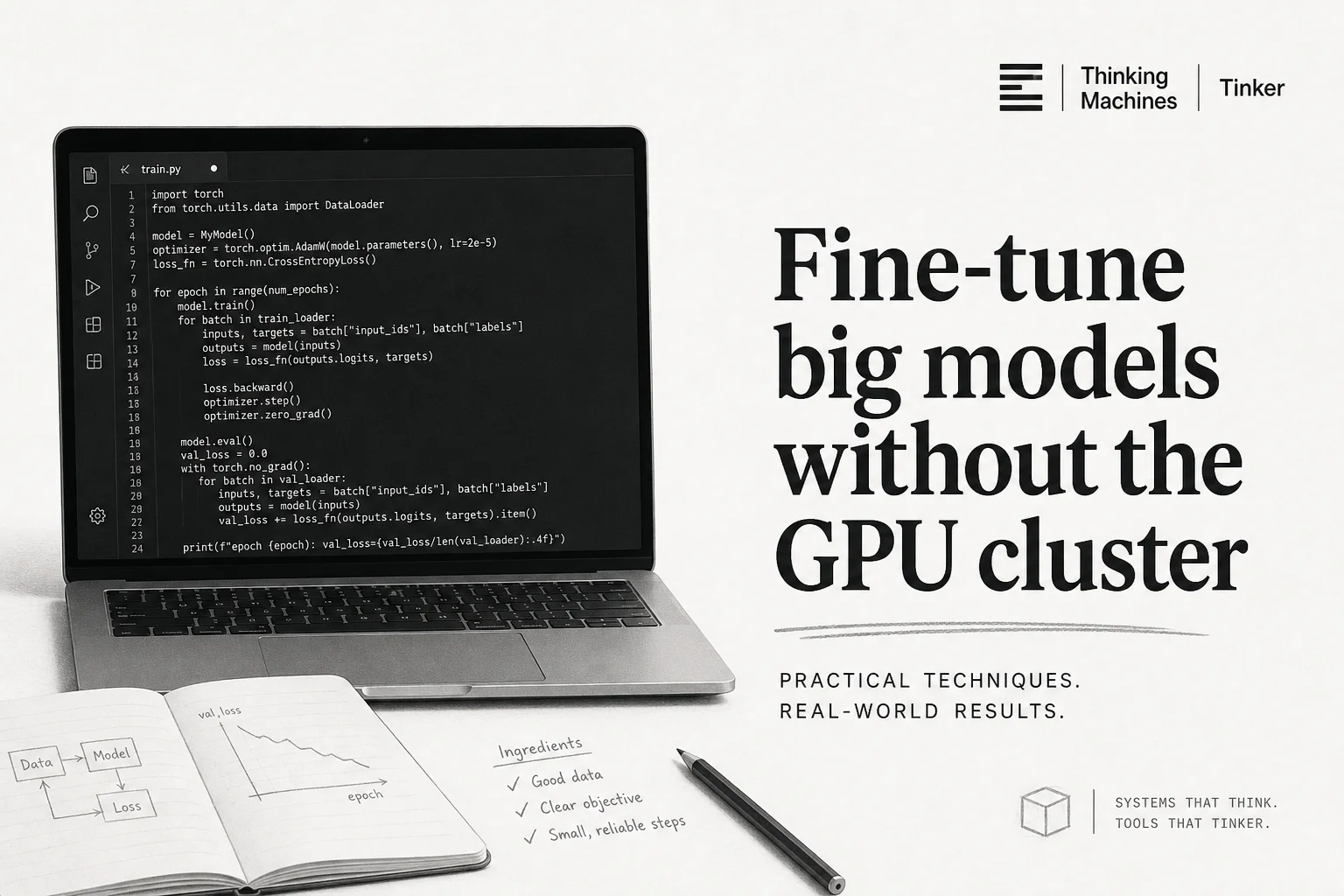
Thinking Machines Lab's Tinker API runs distributed LoRA training while you write a normal Python loop on your laptop. Here's how it fits the Cursor playbook for teams that are not Cursor.
Composer 2.5 scores 62 on the Coding Agent Index for $0.07 per task while Opus 4.7 costs $4.10. For agent loops, routing beats defaulting to frontier models.