
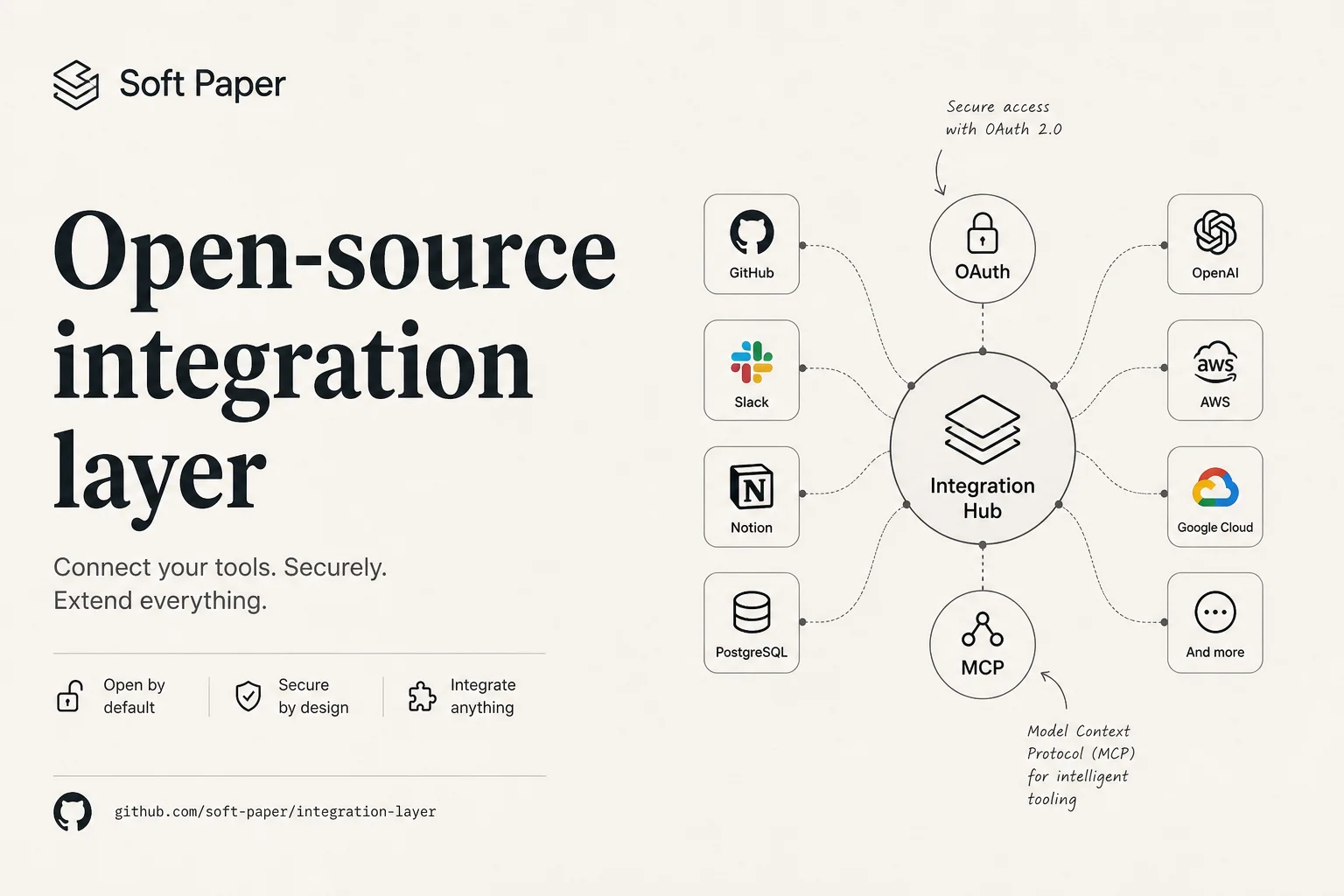
Every AI product roadmap eventually hits the same wall: your agent is clever, but it cannot act in the customer's CRM, calendar, or billing system without a pile of OAuth flows, token refresh bugs, and rate-limit whack-a-mole.
SaaS companies often rent that layer from vendors for tens of thousands a year. The AlphaSignal signal on Nango is simpler: the integration platform is open source under the Elastic License 2.0, with 900+ API templates and a runtime built for agents.
What Nango actually provides
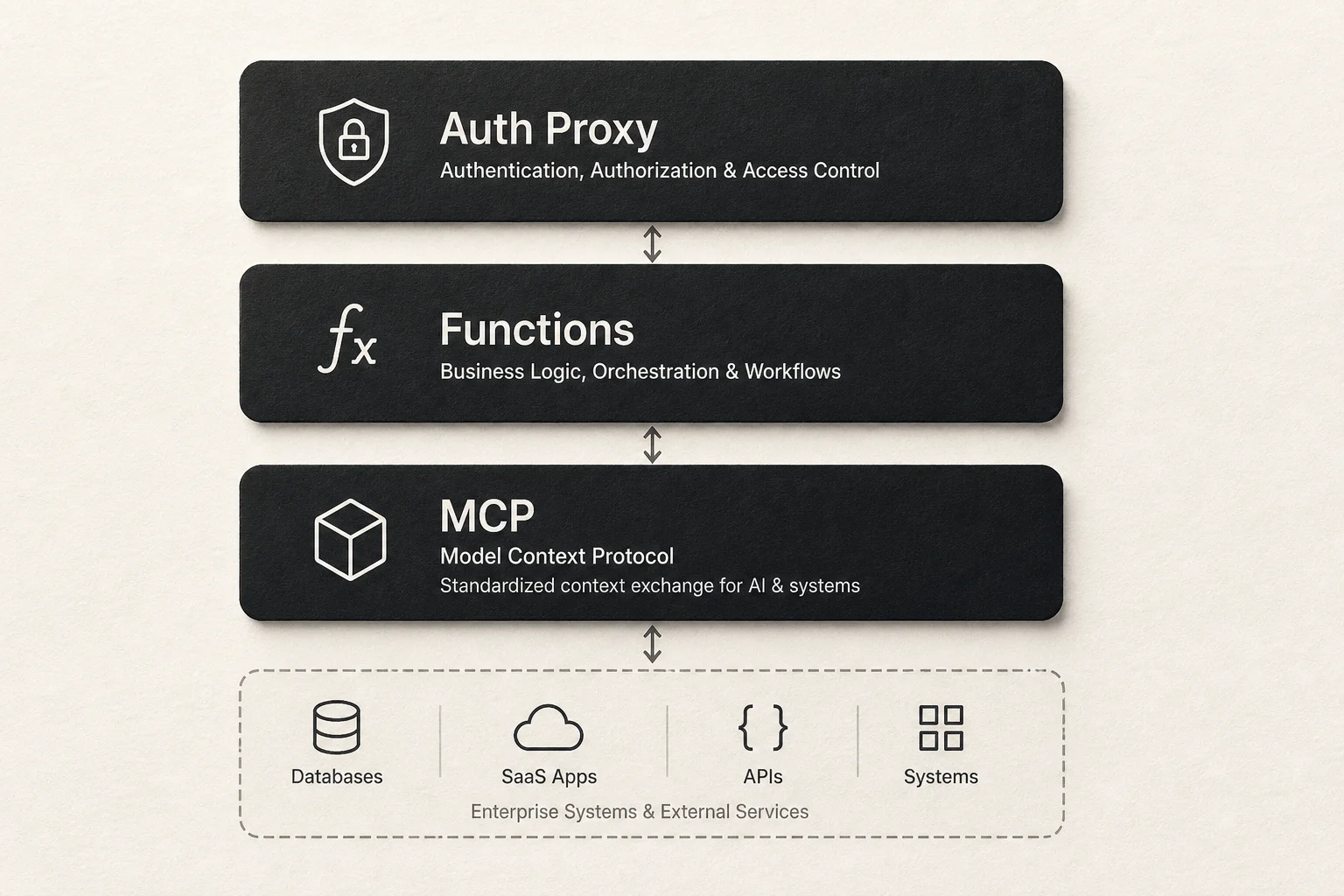
Nango is not "one REST wrapper to rule them all." It is three primitives plus a execution runtime:
| Primitive | What it handles |
|---|---|
| Auth | OAuth, API keys, scopes, token refresh, multi-tenant connections |
| Proxy | Authenticated API requests with retries and rate limits |
| Functions | TypeScript integration logic you own in your repo |
You write integrations as code (or generate them with an AI builder skill), deploy to Nango's runtime, and call them from your backend, scheduled jobs, or MCP tools for agents.
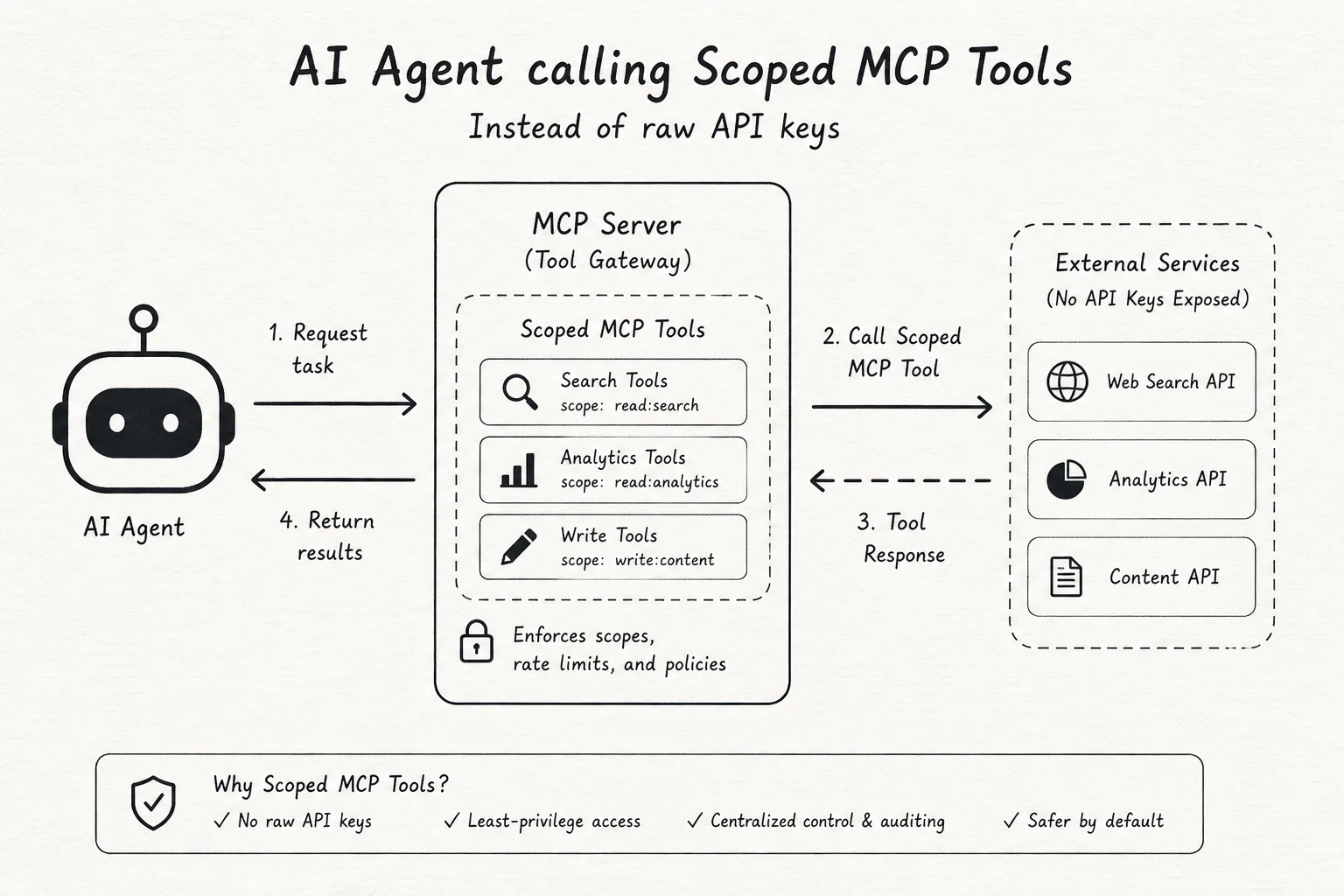
That last piece is why this landed in an AI digest. Agents without credential plumbing become demo chatbots. Nango's MCP server exposes scoped actions so Claude Code, Cursor, or your custom agent can call real systems without you hand-rolling secrets per tool.
Code-owned integrations vs black-box iPaaS
The pitch that resonated with me: integrations live in your repository, versioned like application code. Templates for 900+ APIs are starting points, not opaque connectors you cannot audit.
Nango Cloud is the managed path. Self-hosting is real, with a free tier that has feature limits and paid cloud/enterprise options for teams that want compliance packaging (SOC 2, HIPAA, GDPR are listed on their site).
For consulting, the decision tree looks like this:
- Few integrations, low volume: direct SDK calls plus a secrets manager can still win
- Many SaaS connectors, agent tools, and sync jobs: a platform like Nango saves quarters of OAuth plumbing
- Strict data residency: self-hosted Nango beats sending tokens through yet another SaaS
Useful links:
- Nango homepage
- Nango docs intro
- Nango on open-source integration platforms for agents
- Model Context Protocol
How I would wire this into an agent project
A pattern I would actually ship:
- Connect customer accounts through Nango Auth embedded UI
- Implement provider-specific logic as Nango Functions in TypeScript
- Expose vetted actions to agents via MCP with least-privilege scopes
- Log every tool call with tenant ID and connection ID for audit
Skip exposing raw proxy access to frontier agents. Give them named actions ("create_crm_lead", "fetch_open_invoices") with schemas you control.
Elastic License and the usual open-source caveats
Elastic License 2.0 is not MIT. You can read, fork, and self-host, but competitive SaaS re-hosting has restrictions. For most product teams embedding integrations, that is fine. For vendors building "Nango but cheaper" as a hosted service, read the license carefully.
Also: open platform does not mean free ops. You still run Postgres, workers, rotation, and monitoring. Nango removes the integration auth maze, not production engineering.
The takeaway
Nango is the rare open-source play that maps directly to agent shipping: credentials, retries, and MCP-ready tools without reinventing OAuth for the 900th time.
If you are designing MCP servers or CRM-connected agents for a real product and want a second opinion on build vs buy, book a free discovery call.