
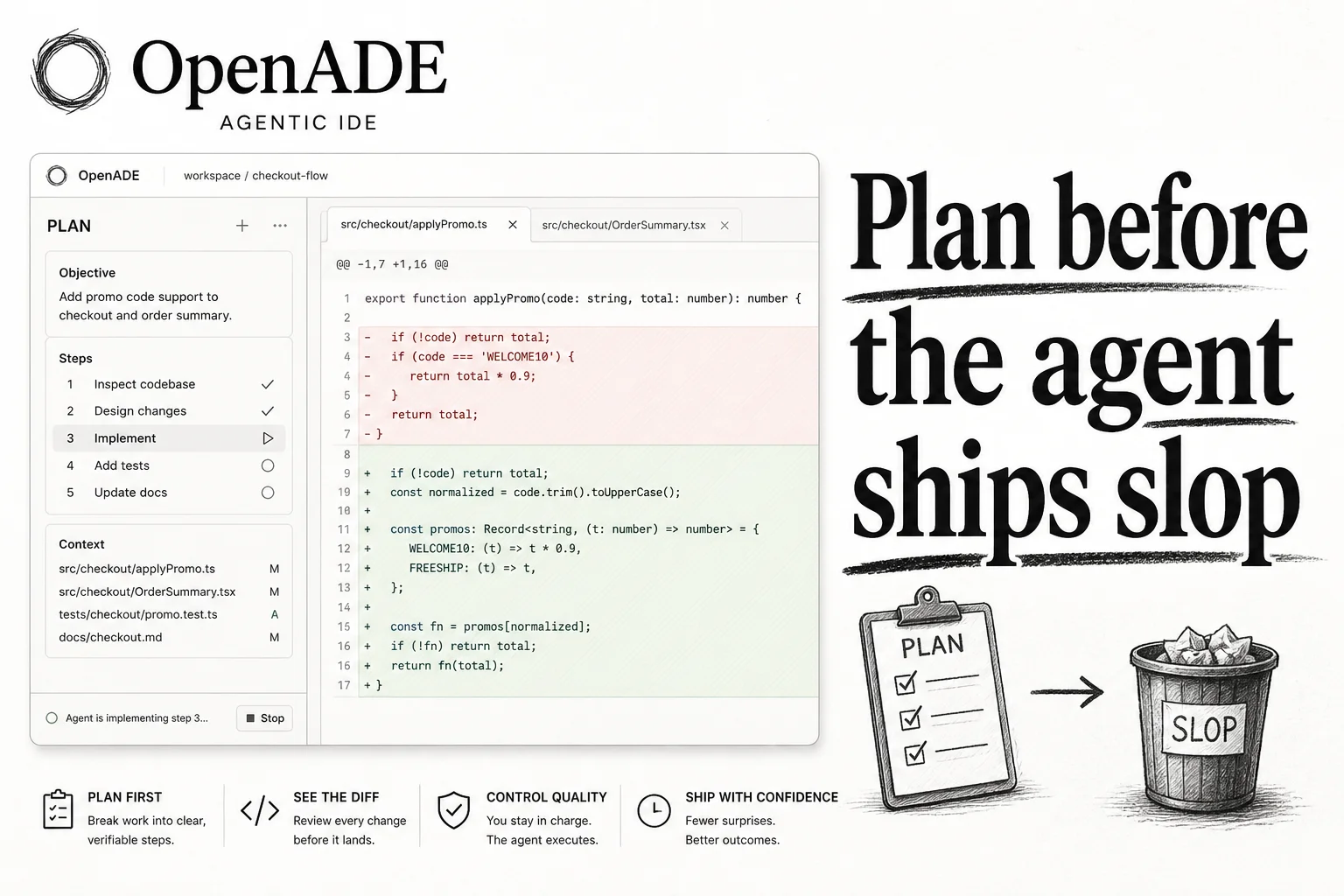
Most AI coding tools still follow the same pattern: describe a task, watch the agent rewrite half your repo, hope the diff is salvageable. The failure mode is not model IQ. It is missing structure between intent and execution.
OpenADE from Bearly AI is the clearest open-source answer I have seen lately. It wraps Claude Code and OpenAI Codex in a Plan → Revise → Execute loop, runs locally, and ships with GPT-5.5 support in recent releases. The AlphaSignal digest framed it as endurance tooling for teams. I read it as discipline tooling, and that is the part worth stealing.
What OpenADE actually adds
OpenADE is not another model. It is an agentic development environment: file browser, diff viewer, terminal, and a planning surface where the whole team can comment before anyone clicks execute.
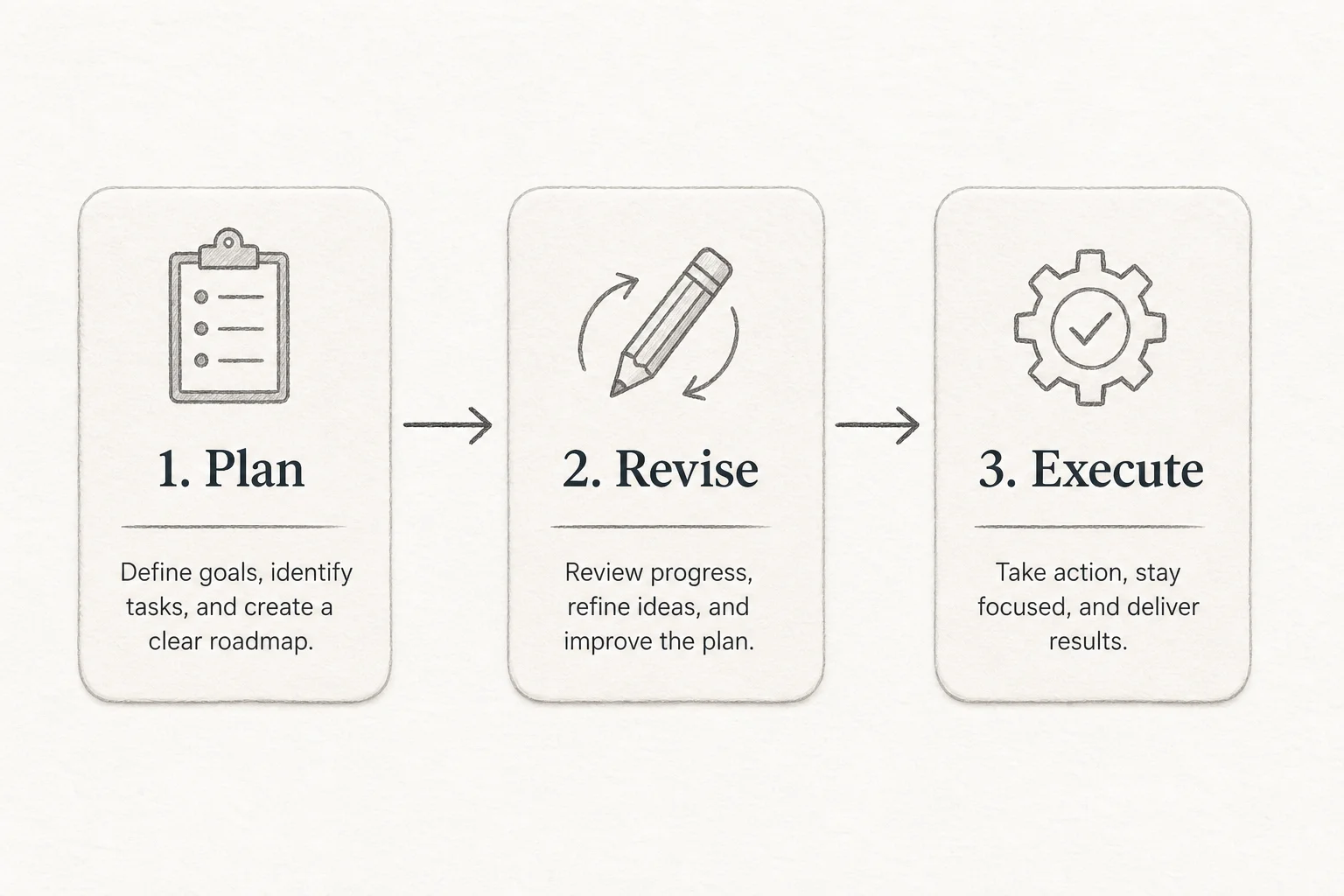
The default loop:
- Plan: describe the task; the agent returns file-level changes, edge cases, and sequencing
- Revise: inline comments on the plan until it feels deterministic
- Execute: one click runs the locked plan with automatic git snapshots
That third step is where most "agent IDEs" stop being scary. Every execution creates a patch snapshot you can roll back without archaeology in git reflog.
| Stage | What you get | What you avoid |
|---|---|---|
| Plan | Reviewable markdown plan with file targets | Surprise multi-file refactors |
| Revise | Threaded comments on plan sections | Vague prompts interpreted silently |
| Execute | Linear execution against locked plan | Irreversible "helpful" edits |
HyperPlan and multi-harness execution
Two features matter if you already run more than one coding agent.
HyperPlan runs multiple agents in parallel (even across providers), then reconciles outputs with Ensemble or Cross-Review strategies. That is useful when you want a second opinion on architecture before you burn tokens on implementation.
Multi-harness keeps one UI while switching between Claude Code and Codex. Same workflow, different execution engine. Recent OpenADE releases explicitly add GPT-5.5 alongside Codex. OpenAI claims 82.7% on Terminal-Bench 2.0 for agentic CLI work. OpenADE is betting you will feel that lift inside a plan-first shell, not a raw terminal gamble.
Bearly's own team says OpenADE became most of their screen time within weeks, including a stretch where the project partially built itself. Take that with the usual side-project salt, but the product shape matches what I want on client repos: plans you can paste into Linear, diffs you can review like a human PR.
MCP integrations without another SaaS bill
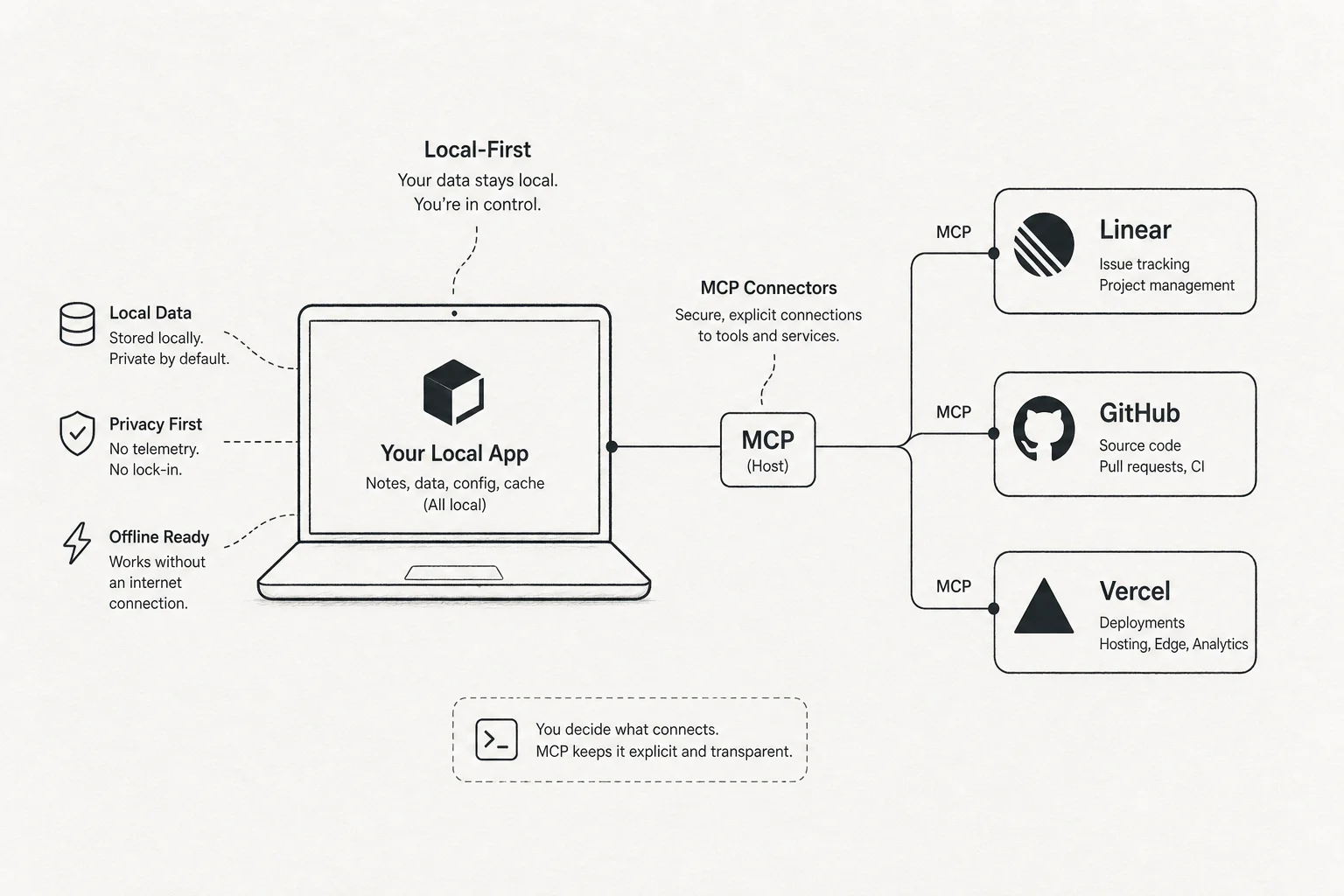
OpenADE ships first-class connectors for Linear, Notion, Asana, Stripe, Vercel, GitHub, and more through MCP. For consulting work, that matters because agents stop being "IDE toys" and start touching the same systems ops teams already live in.
Useful links:
- OpenADE website
- OpenADE on GitHub
- Claude Code docs
- Cursor (compare IDE-first workflows)
How this compares to Spec Kit and raw agents
I have written about GitHub Spec Kit before. Spec Kit encodes Specify → Plan → Tasks → Implement as markdown artifacts and slash commands. OpenADE encodes a similar philosophy as a desktop app with git snapshots and live diffs.
| Approach | Best when |
|---|---|
| Raw Claude Code / Cursor agent | Tight loops, you trust the diff size |
| Spec Kit | You want repo-native specs any agent can read |
| OpenADE | You want a cockpit for plan review before execution |
None of these replace code review. They reduce the "wrong problem, beautifully implemented" class of failures.
What I would try first on a real codebase
If you are evaluating OpenADE this week:
- Pick a ticket with clear acceptance criteria (migration, test gap, dependency bump)
- Force a plan-only pass; comment until the file list matches what you would assign a mid-level engineer
- Execute with snapshots enabled; roll back once on purpose so you trust the safety net
- Run the same task in raw Claude Code and compare diff noise
My hypothesis: OpenADE wins on multi-file tasks where planning errors are expensive. It loses on tiny edits where an IDE copilot is faster.
The takeaway
Agentic coding is maturing from "pick the smartest model" to "design the loop." OpenADE is free, open source, local-first, and explicitly built for teams who are tired of slop PRs.
If you are wiring agent workflows into production delivery and want a second opinion on review gates (and where planning tools actually pay off), book a free discovery call.