Blog 385 posts
Notes from the trenches on AI engineering, LLM apps, and the full-stack work that holds it all together.
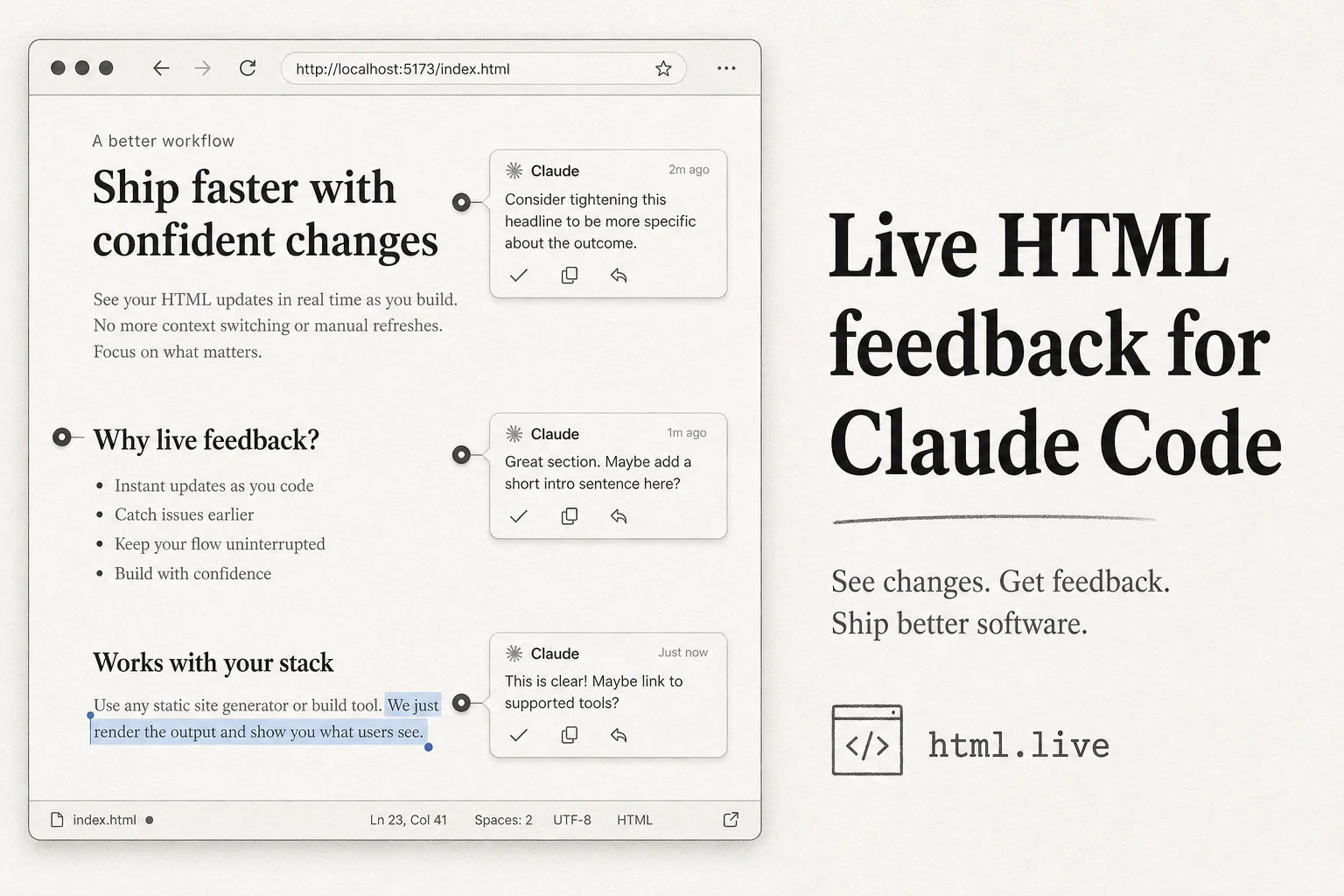
Claude Code often ships beautiful static HTML reports, then traps you in a chat loop to revise them. The make-pages-interactive skill turns any HTML folder into a Figma-style commenting surface with a local inbox Claude watches.
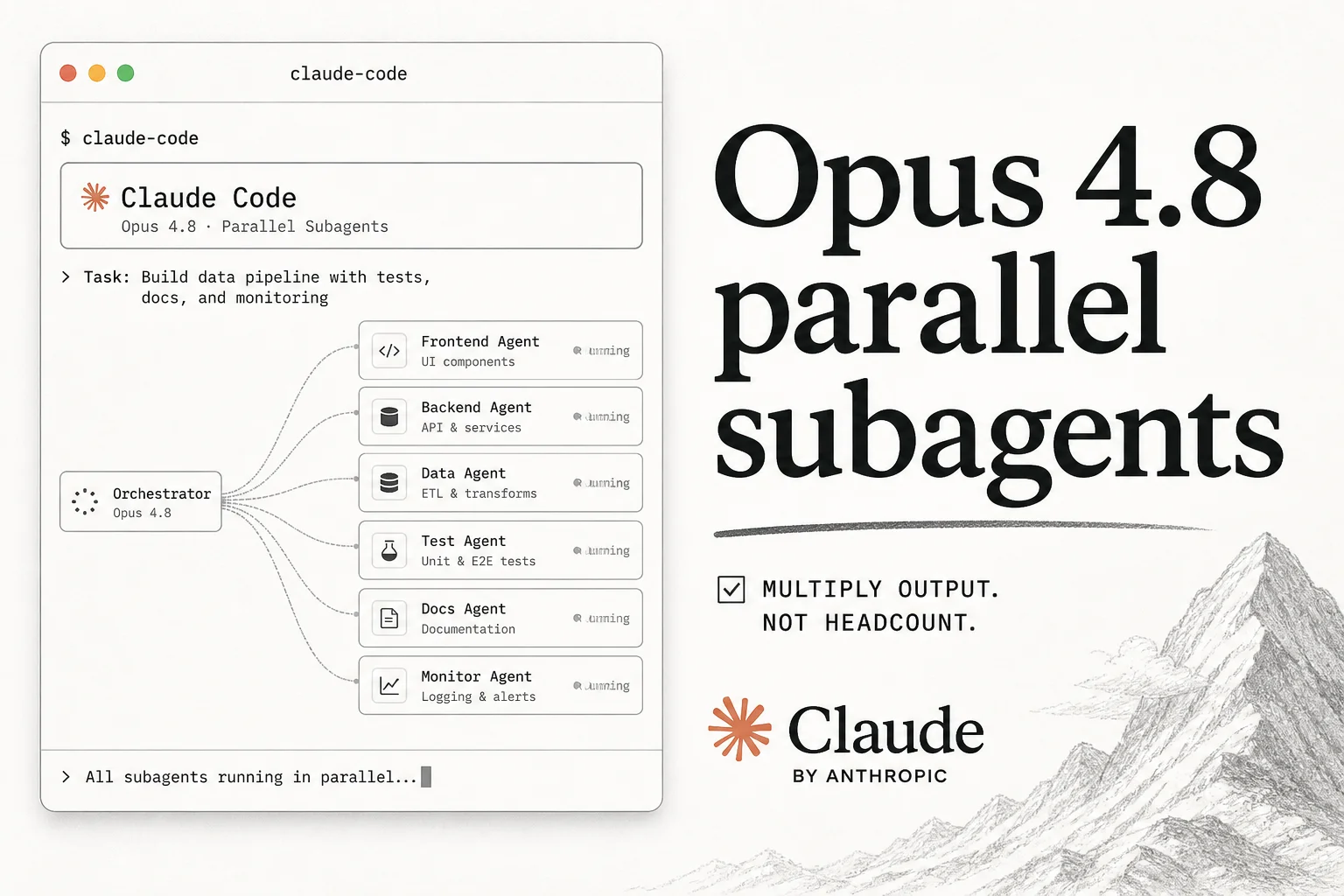
Opus 4.8 keeps Opus 4.7 pricing while adding dynamic workflows (up to 1,000 subagents), cheaper fast mode, and effort control. The real win is fewer silent failures when you walk away from a long agent run.
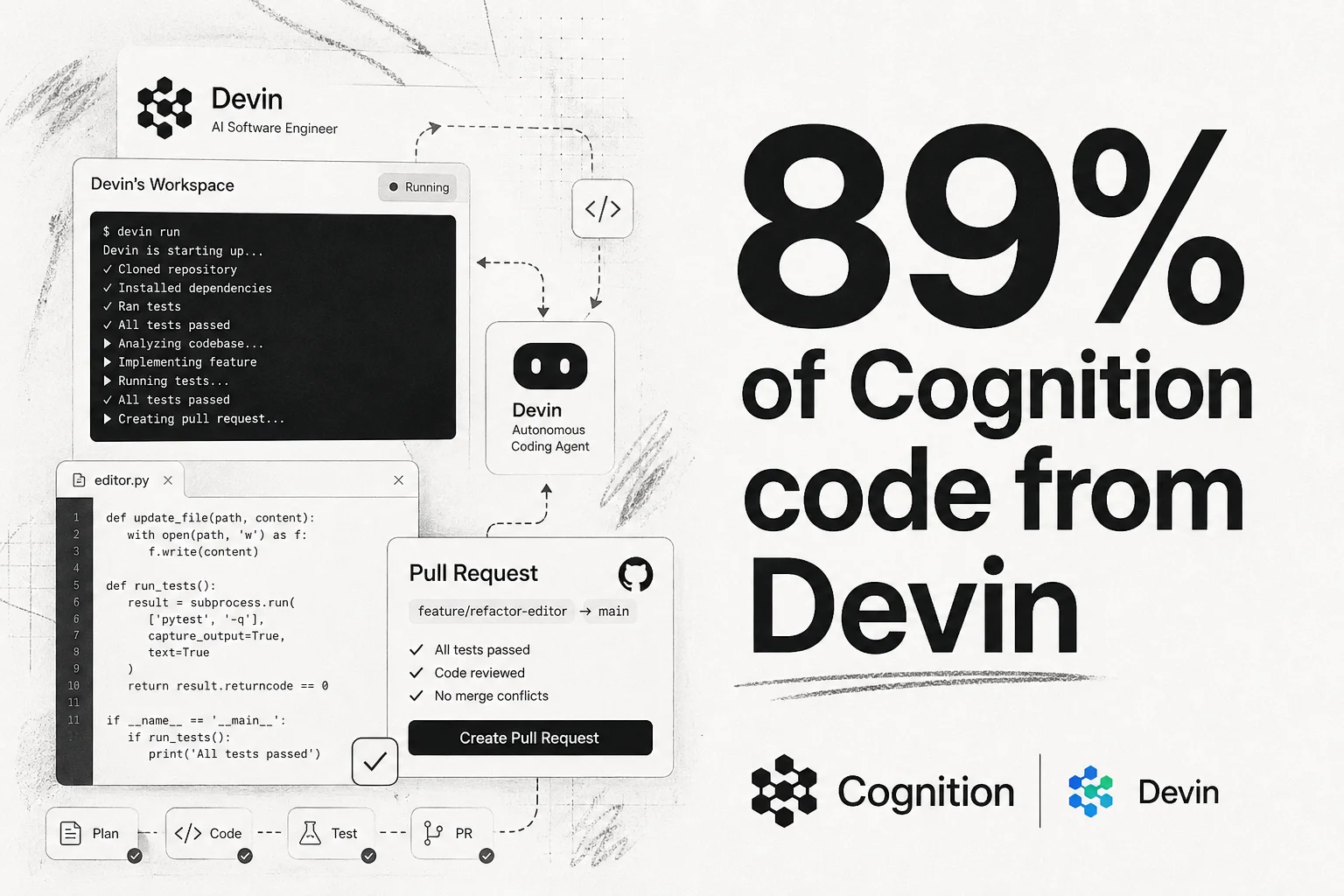
Cognition closed a $1B Series D at a $26B valuation with $492M run-rate revenue. The clearest proof point is internal: 89% of Cognition's committed code now comes from Devin. Here's what that means if you ship software for a living.
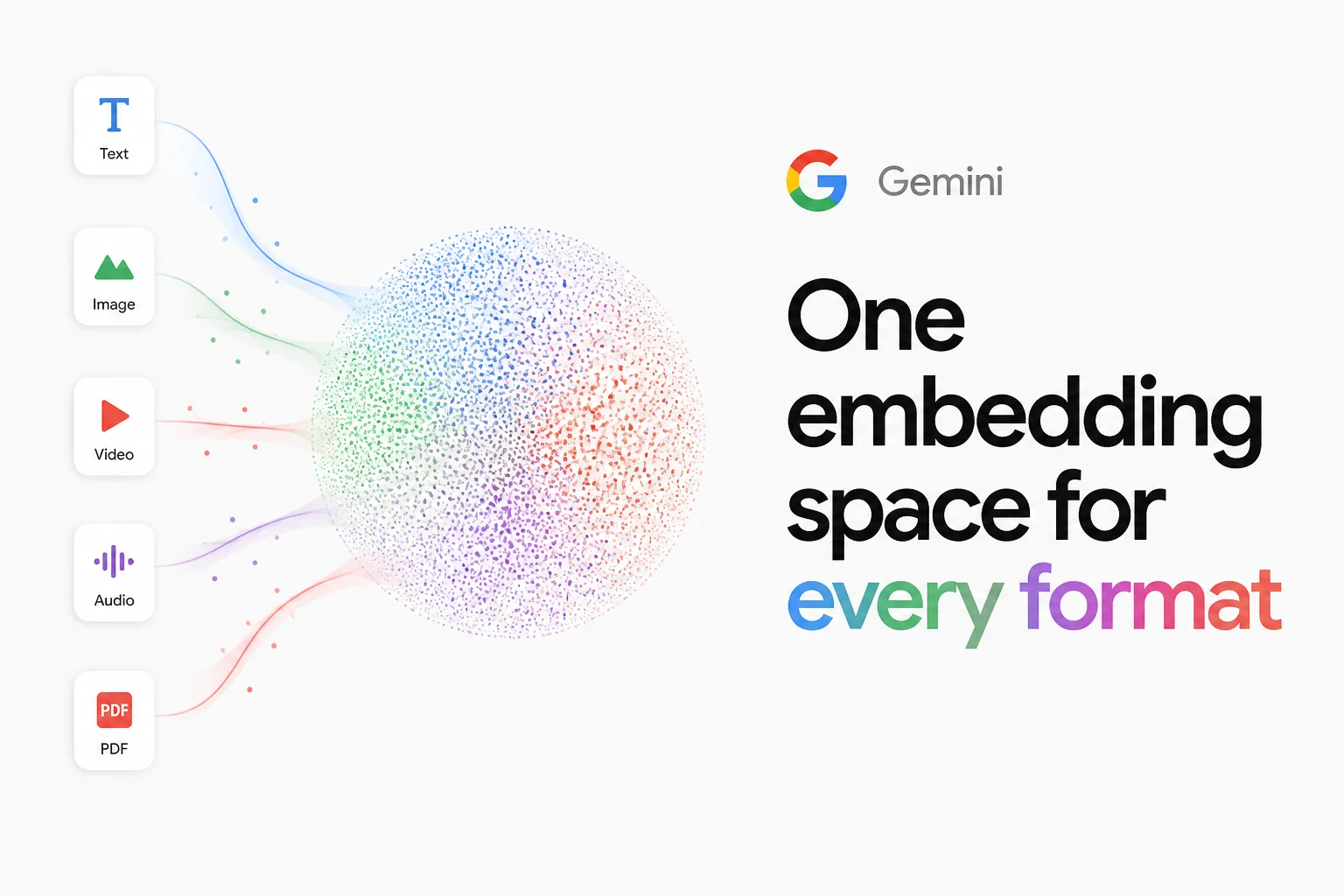
Google's Gemini Embedding 2 maps text, images, video, audio, and PDFs into a single vector space. One ingestion pipeline, cross-modal retrieval, and a cleaner path to multimodal RAG in production.
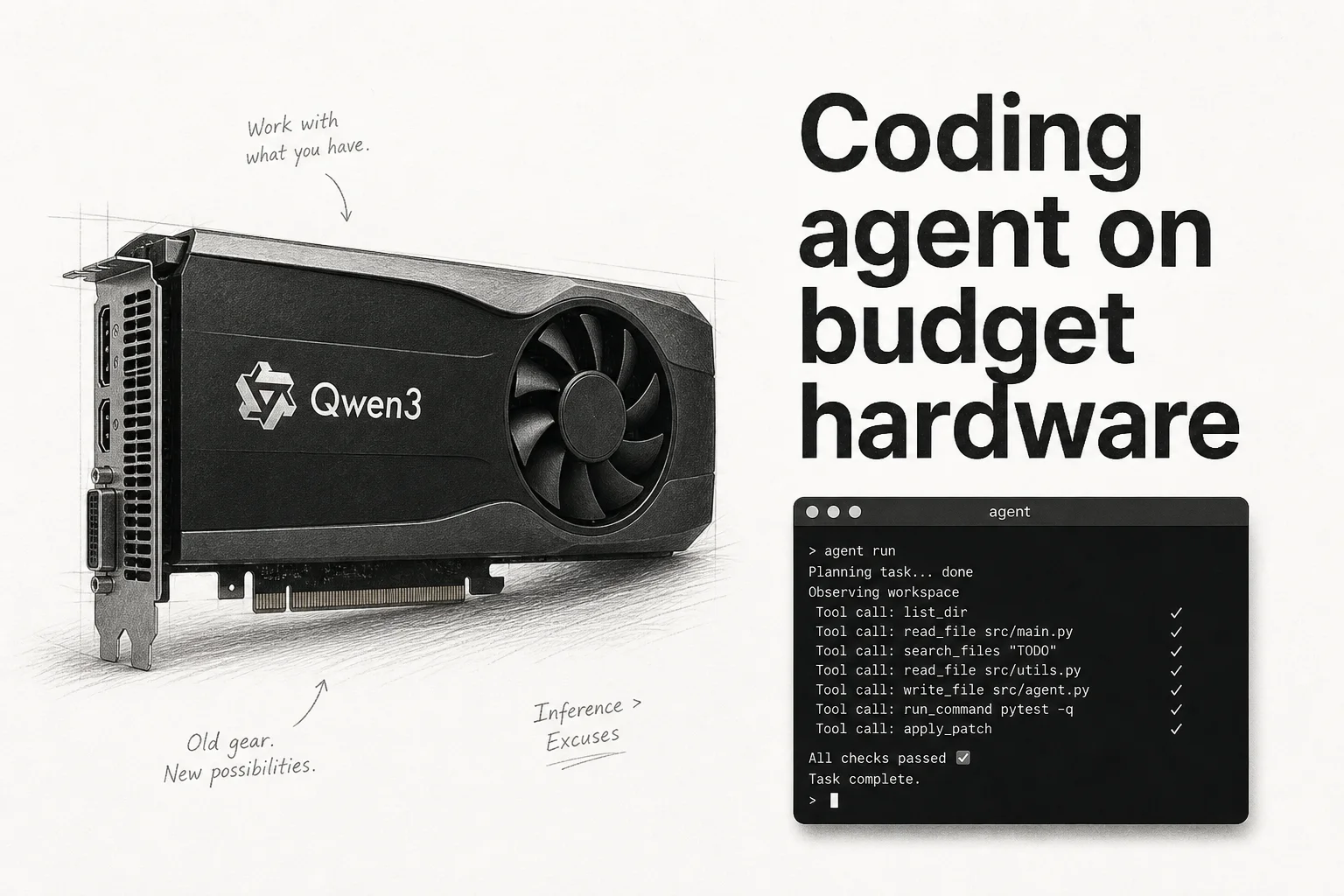
Qwen3 8B at Q4_K_M fits in about 5 GB of VRAM and hits roughly 20–50 tok/s on consumer GPUs, including older cards. Here is how to think about local agentic coding without the Mac Mini hype.
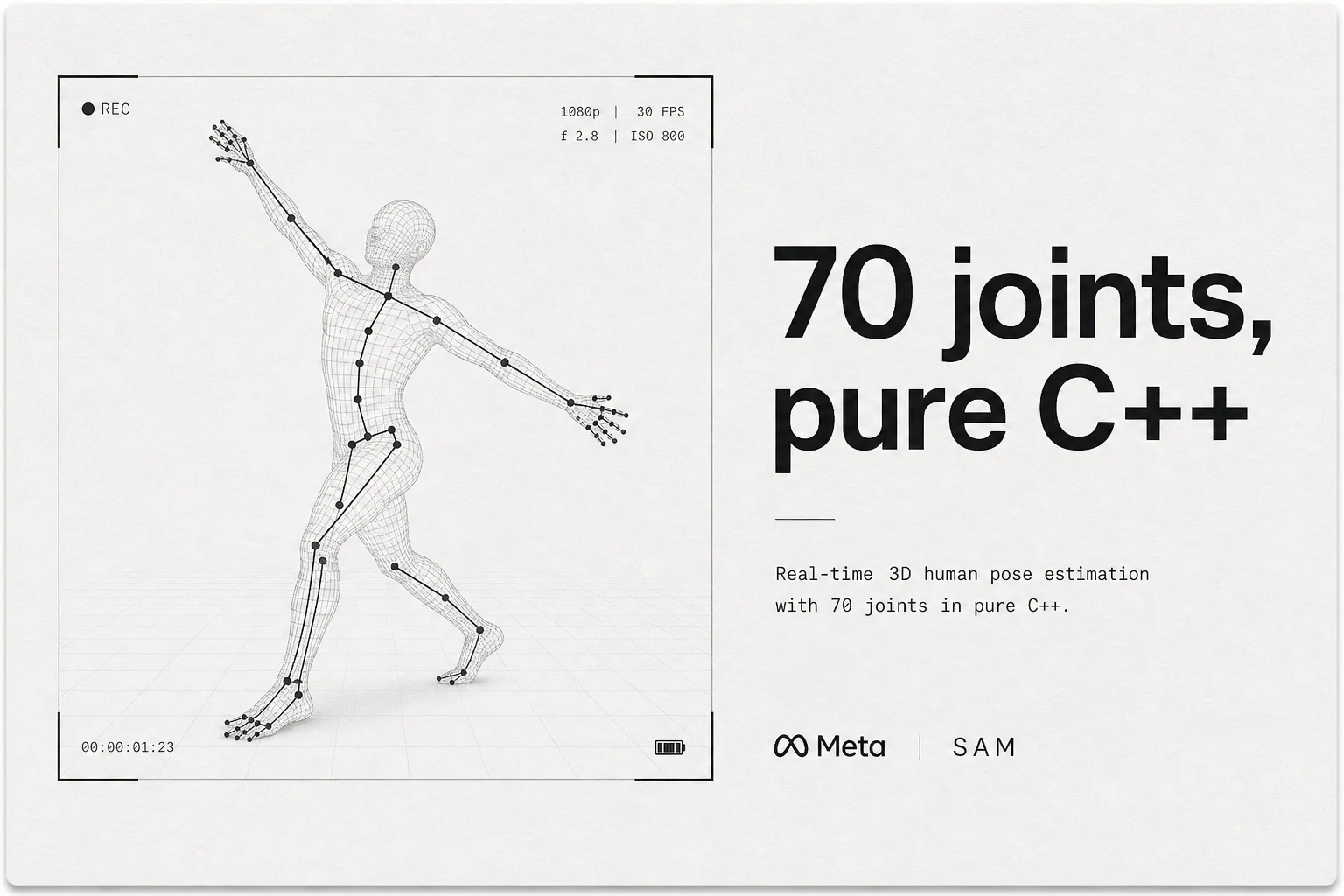
Most 3D body tracking stacks need Python and PyTorch at runtime. SAM3DBody-cpp wraps Meta's SAM 3D Body model in a standalone C++ engine with ONNX Runtime, outputting 70 joints and full meshes from a camera feed.
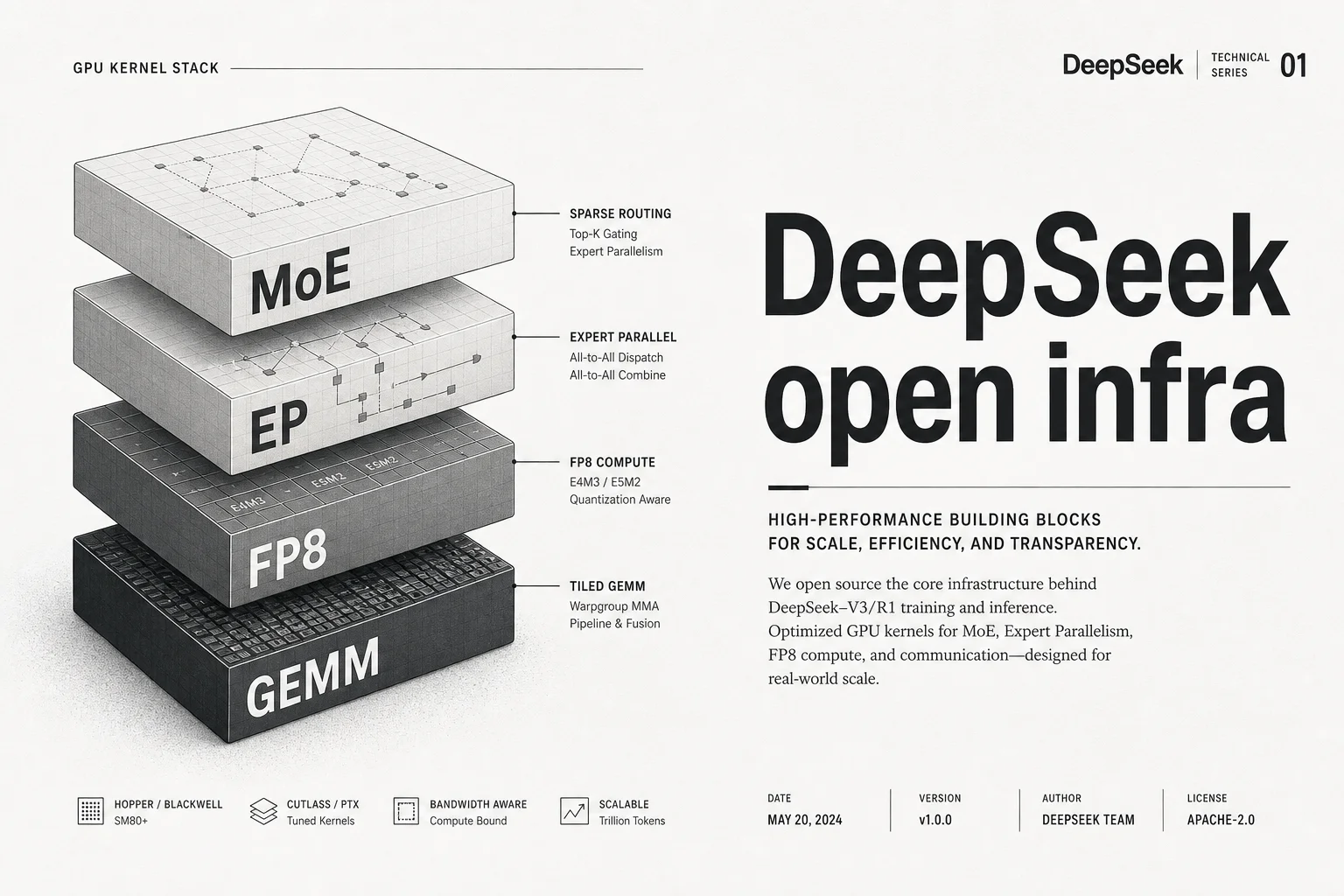
DeepSeek's open-infra-index released production kernels for MoE communication, FP8 GEMM, pipeline parallelism, and distributed storage. Here is why the infra layer matters more than another leaderboard point.
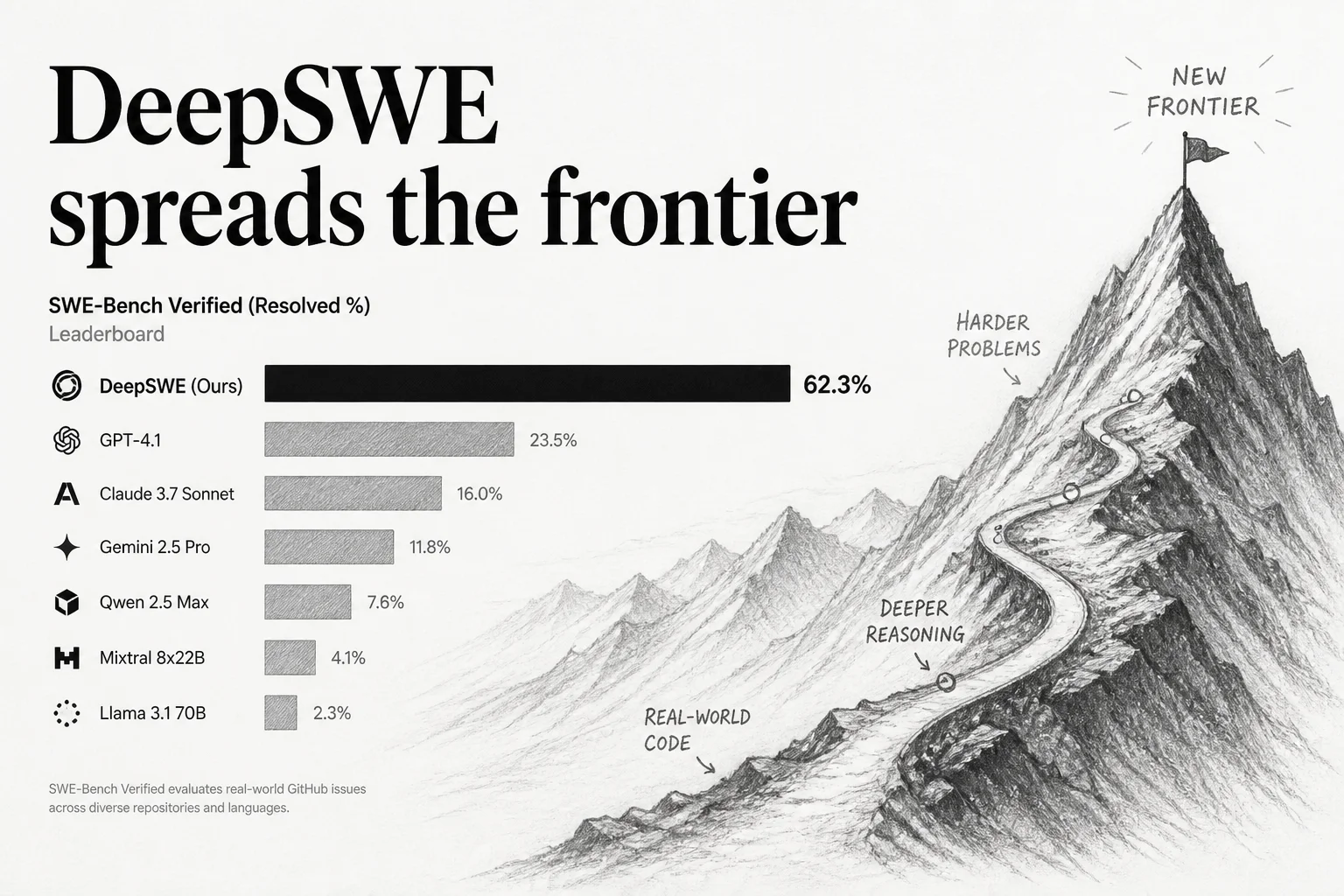
Datacurve's DeepSWE benchmark uses 113 original long-horizon tasks and hand-written verifiers so GPT-5.5 leads by 16 points where older SWE tests looked tied. Here is why that matters for model pickers.