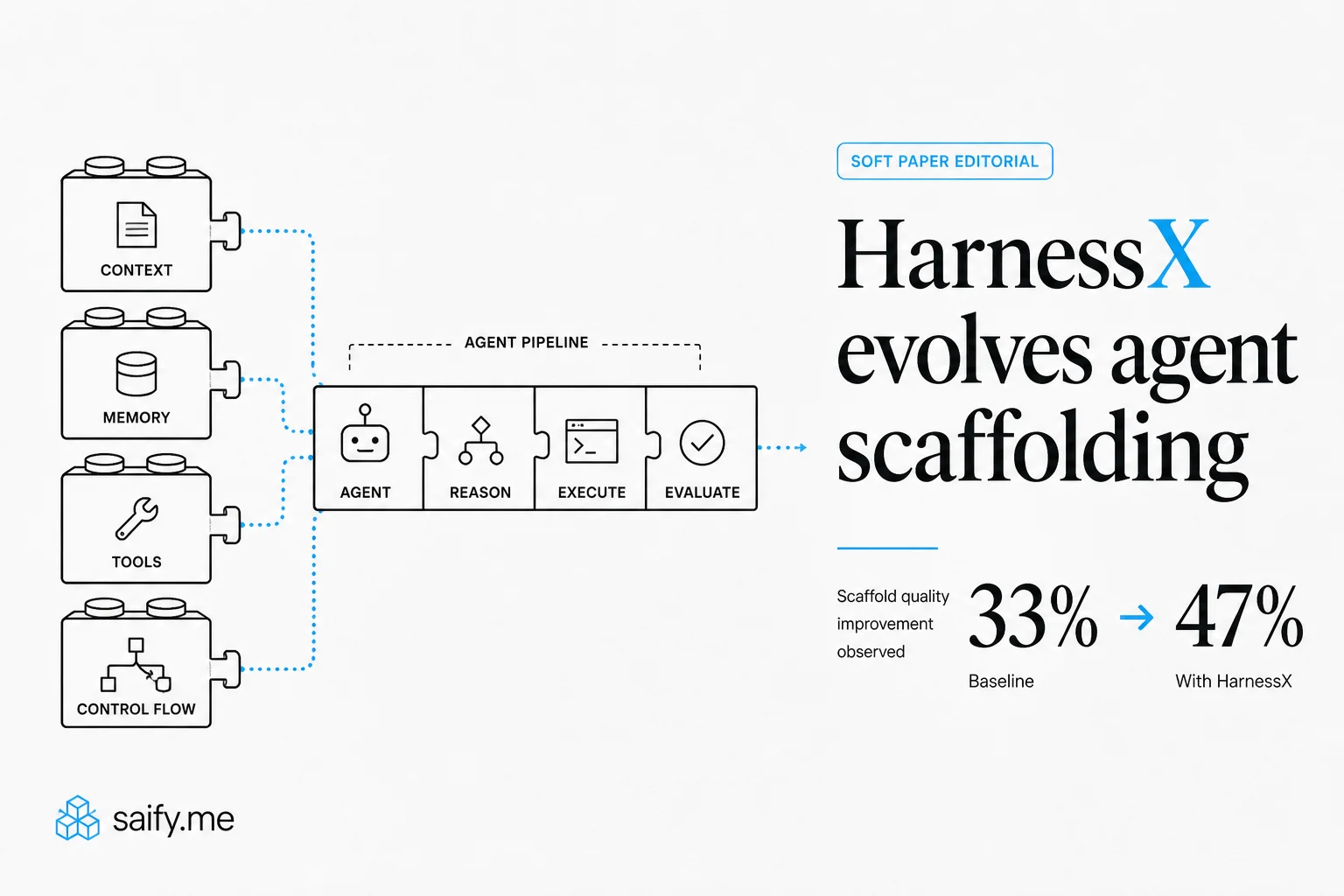
HarnessX treats agent scaffolding as composable processors and uses the AEGIS engine to search better combinations. Qwen 3.5 9B on GAIA went from 33% to 47% with zero weight changes. Here is how to run the evolver recipe.
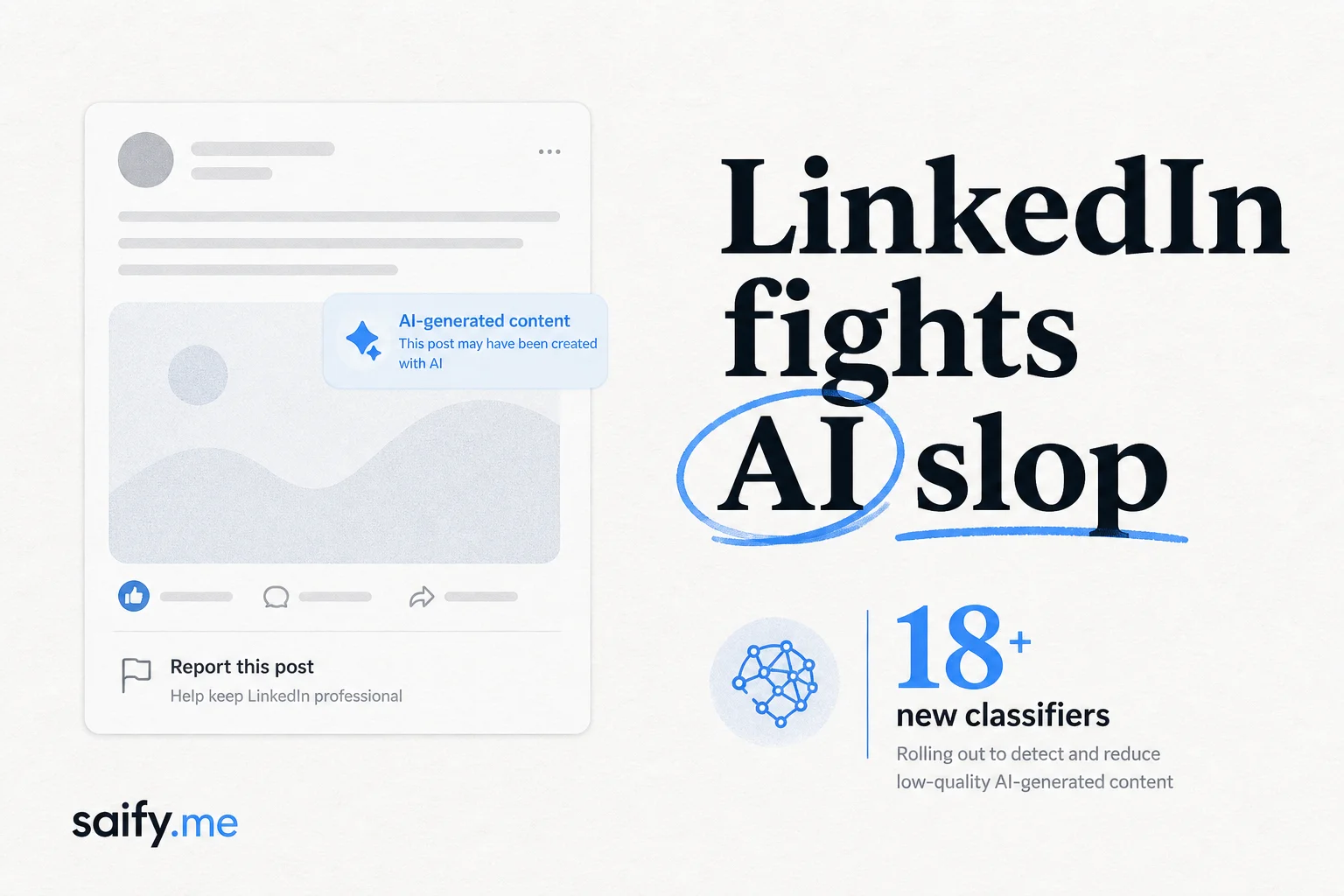
LinkedIn rolled out AI slop reporting, new classifiers, and private dashboard flags. Platforms are finally admitting inauthentic content is a retention problem.
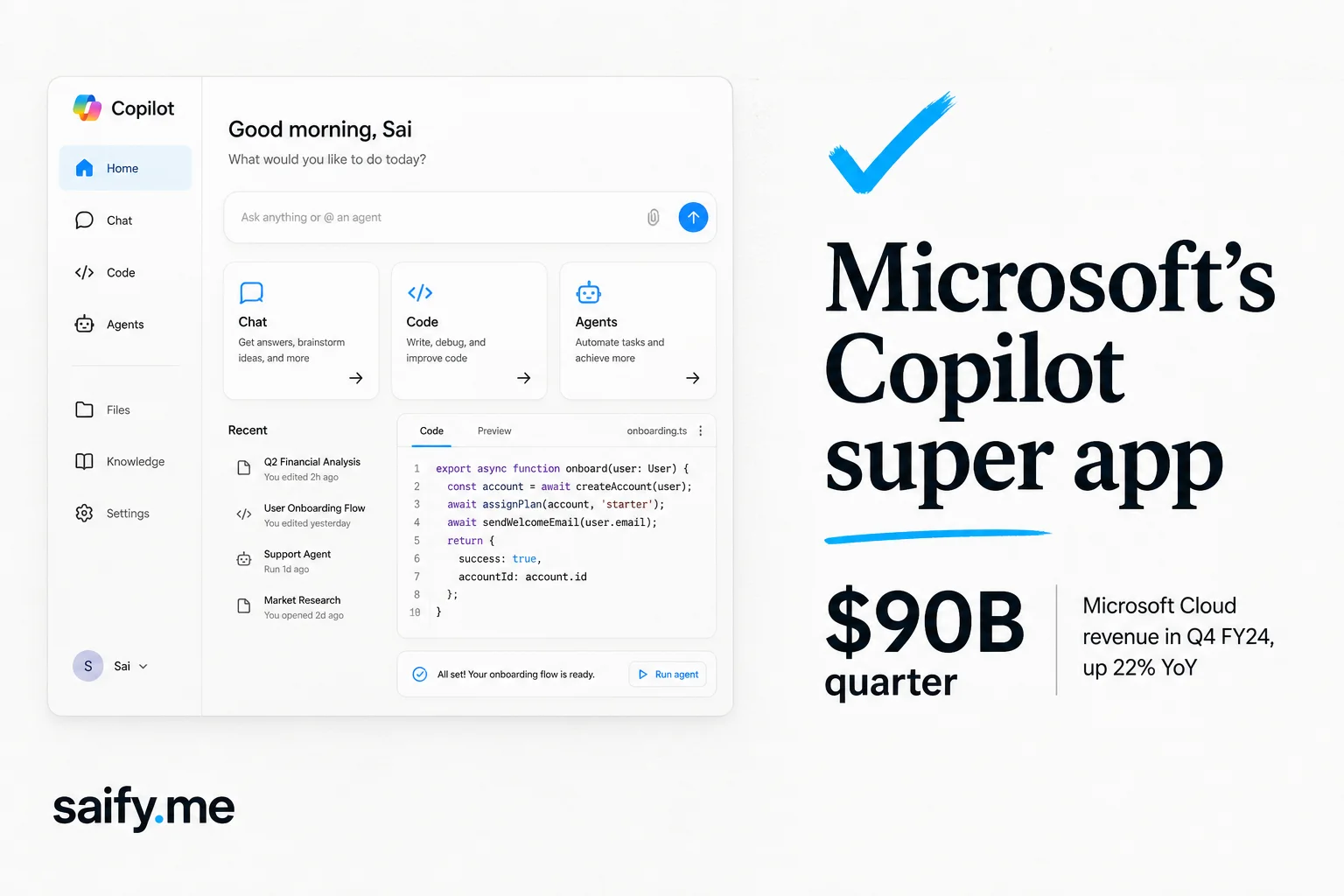
Satya Nadella confirmed a unified Copilot app for consumers and businesses in 2026. Chat, Cowork, Code, and Autopilots in one shell. The platform war moved again.
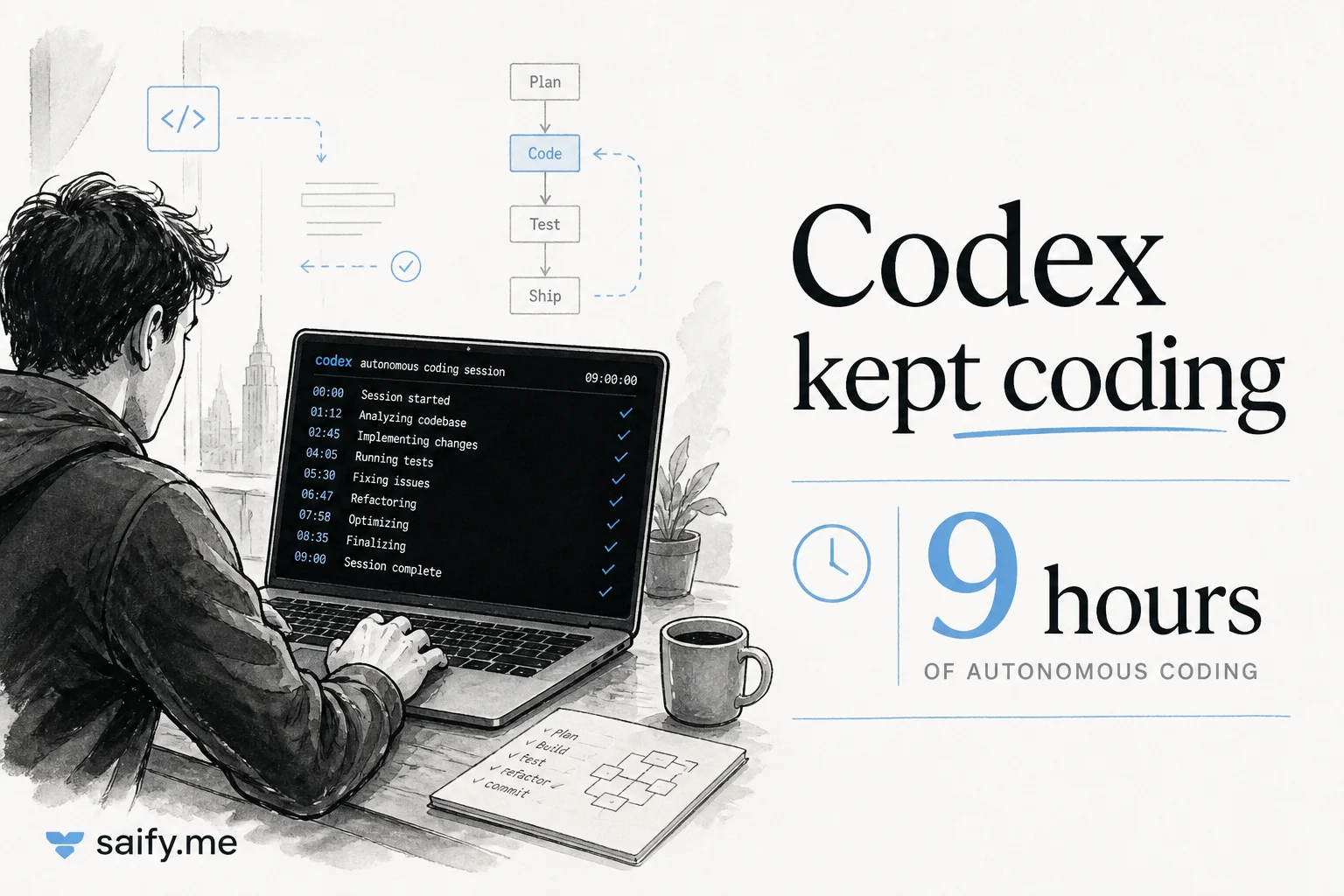
AlphaSignal flagged an OpenAI Codex run that finished a nine-hour coding task after exhausting its usage limit, using banked resets and active-turn continuation. Here is how to plan autonomous agent sessions without losing momentum.
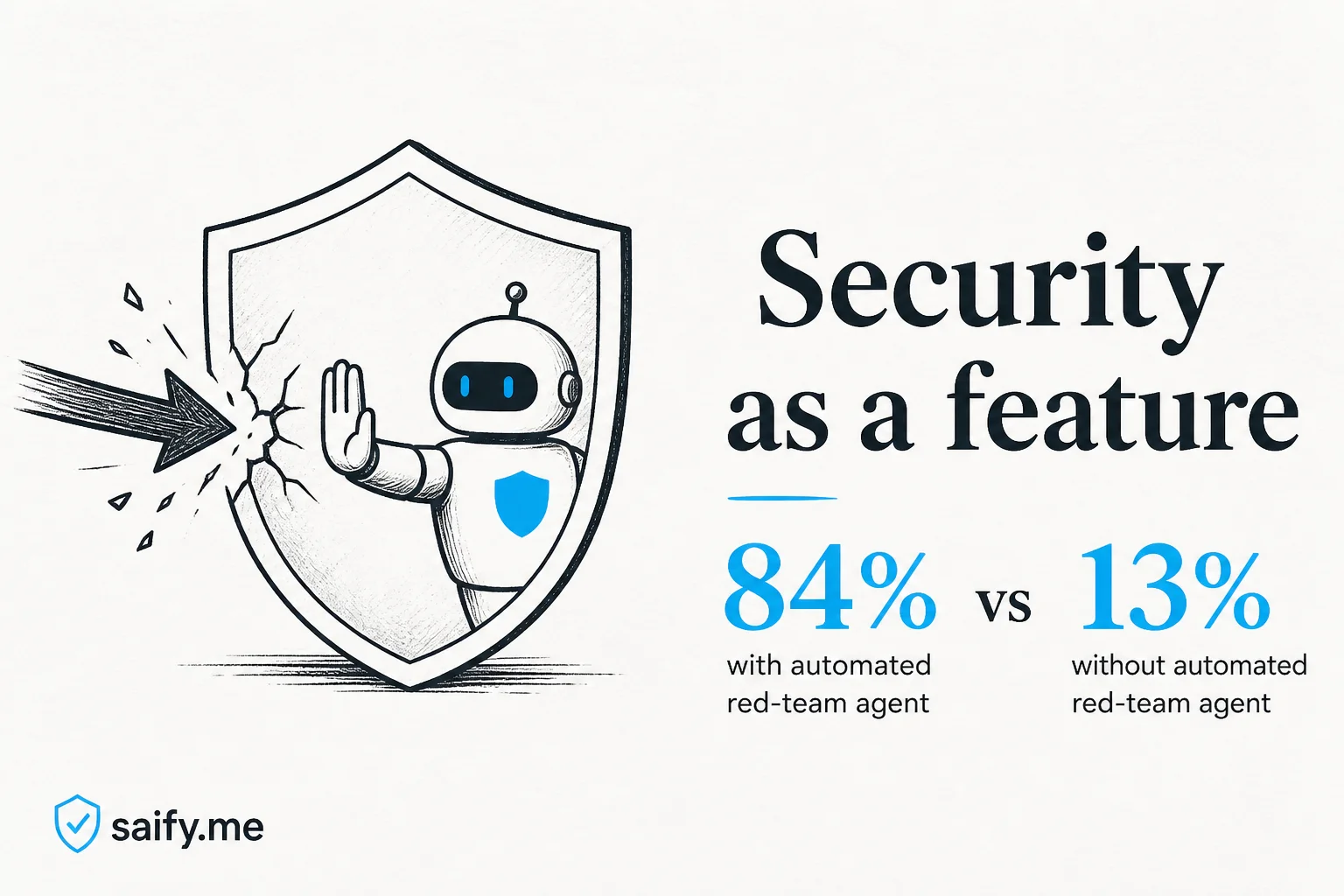
GPT-Red is an internal automated red-teaming model trained with self-play RL. It hit 84% attack success versus 13% for human testers, discovered fake chain-of-thought injections, and helped cut GPT-5.6 Sol failures on the hardest benchmark by 6x.
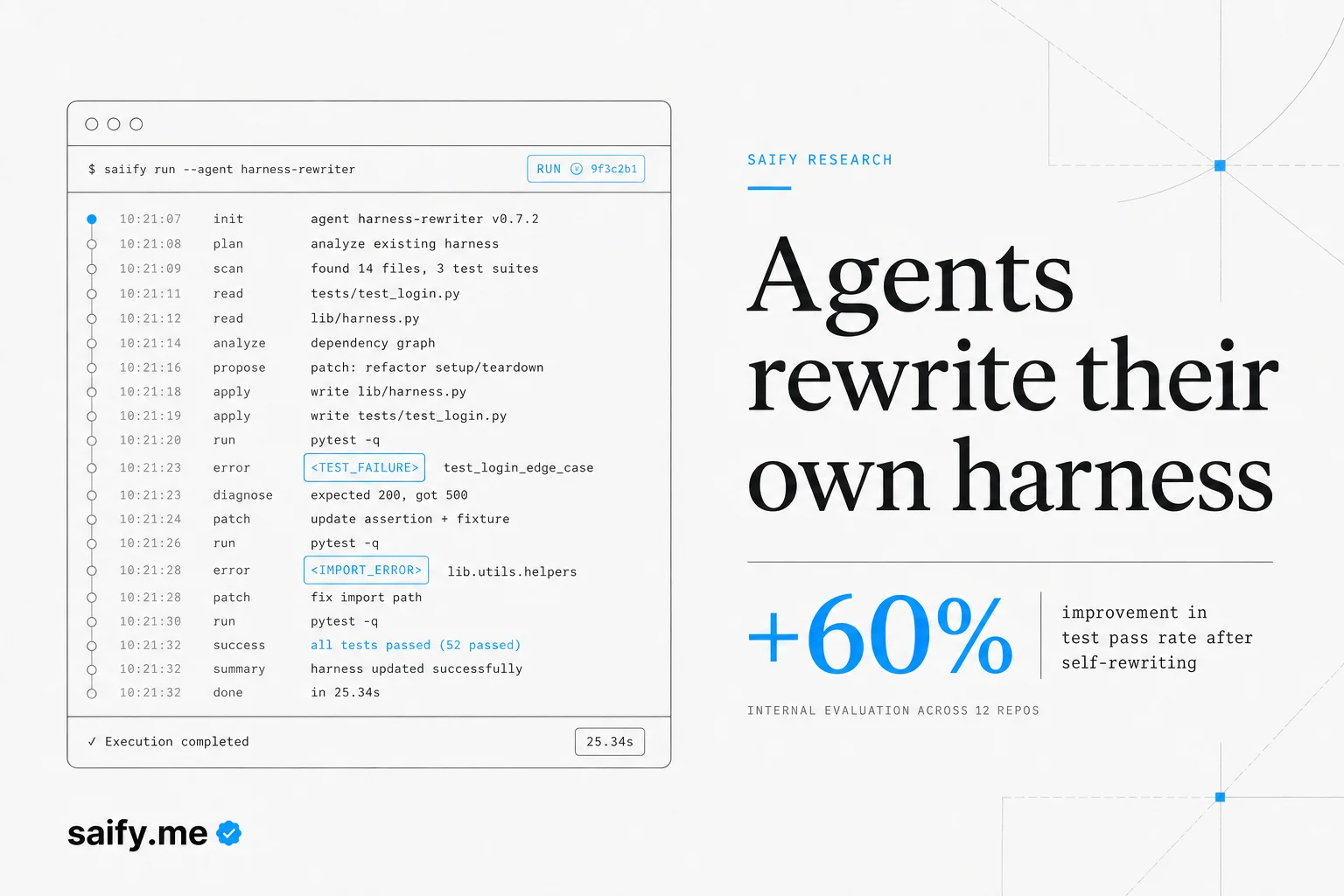
Shanghai AI Lab's Self-Harness lets a fixed model improve its own agent scaffolding through weakness mining, targeted edits, and regression gates. Here is what the Terminal-Bench numbers mean and how to run a lightweight version today.
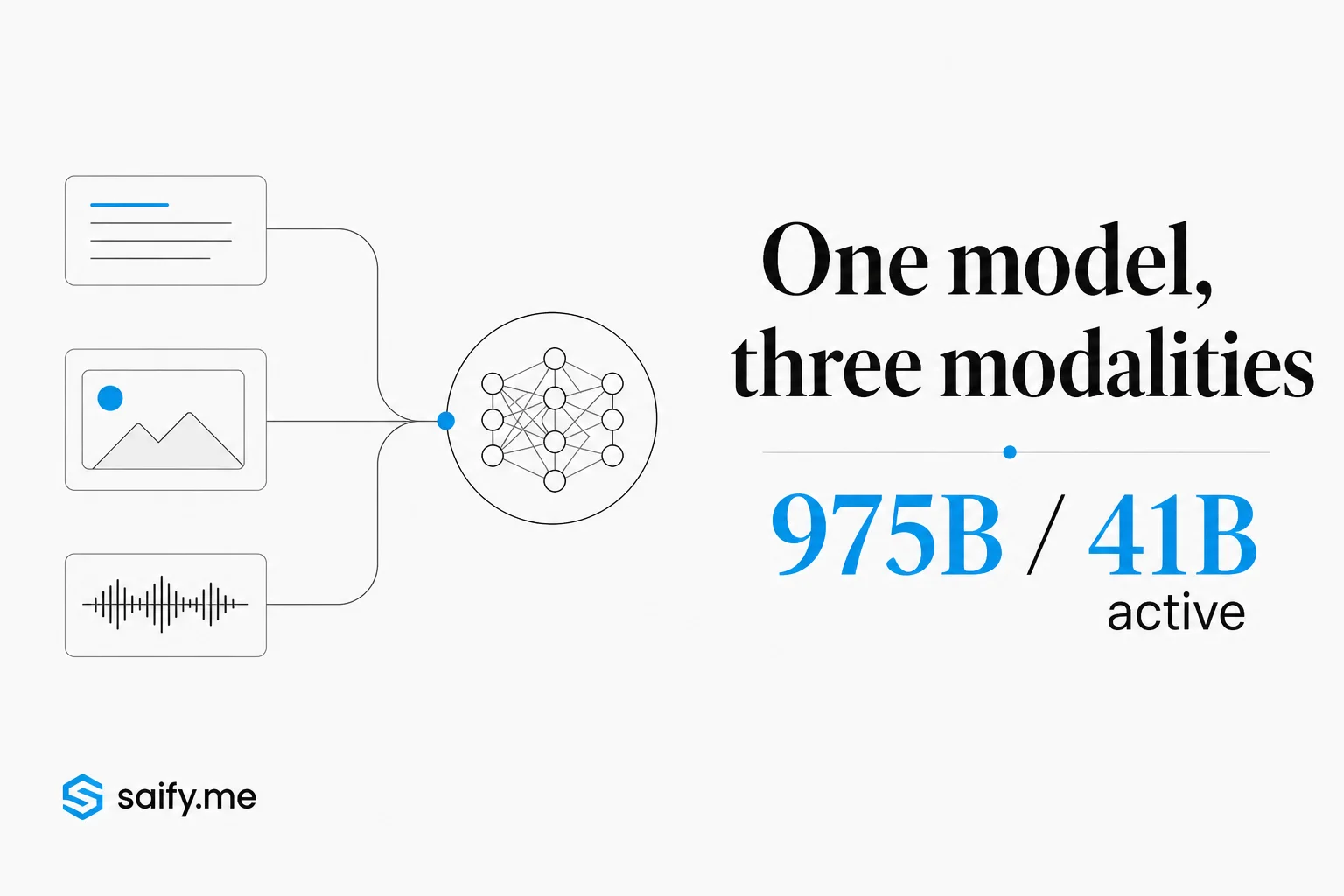
Inkling ships 975B total / 41B active MoE with native text, image, and audio in one architecture, 1M context, Apache 2.0 weights, and controllable thinking effort. It is not the leaderboard king. It is the customization base Mira Murati's team wanted.
Twelve million servers leak .env files to the open web. When you give an agent Gmail, CRM, and Slack access, local plaintext tokens turn a config mistake into a company-wide breach.