Blog 385 posts
Notes from the trenches on AI engineering, LLM apps, and the full-stack work that holds it all together.
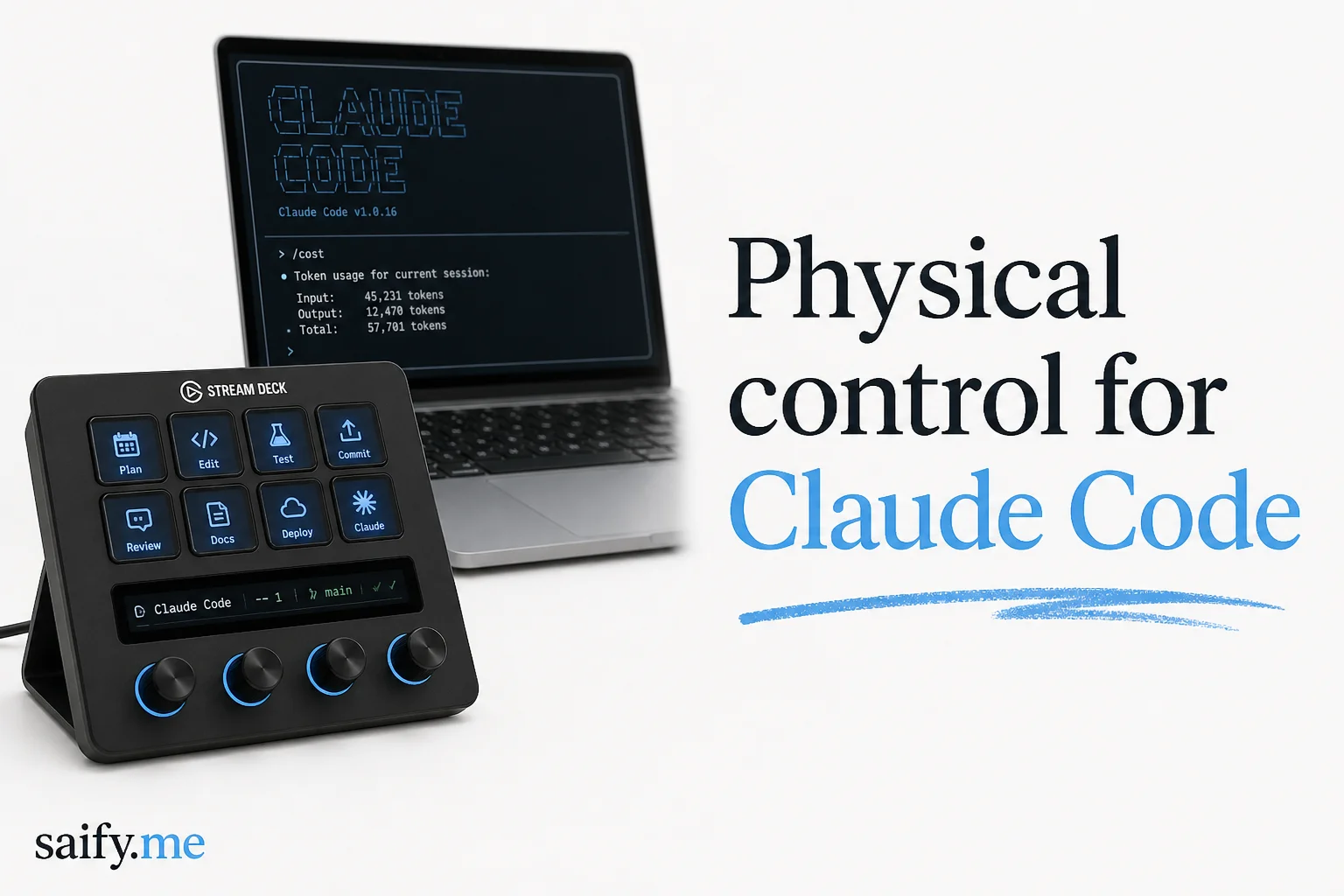
AgentDeck hooks Claude Code's event stream into Elgato Stream Deck+ buttons and dials. See session status, approve permissions, and monitor token spend without tab-switching. Open source with a Marketplace plugin for macOS and Windows 11.
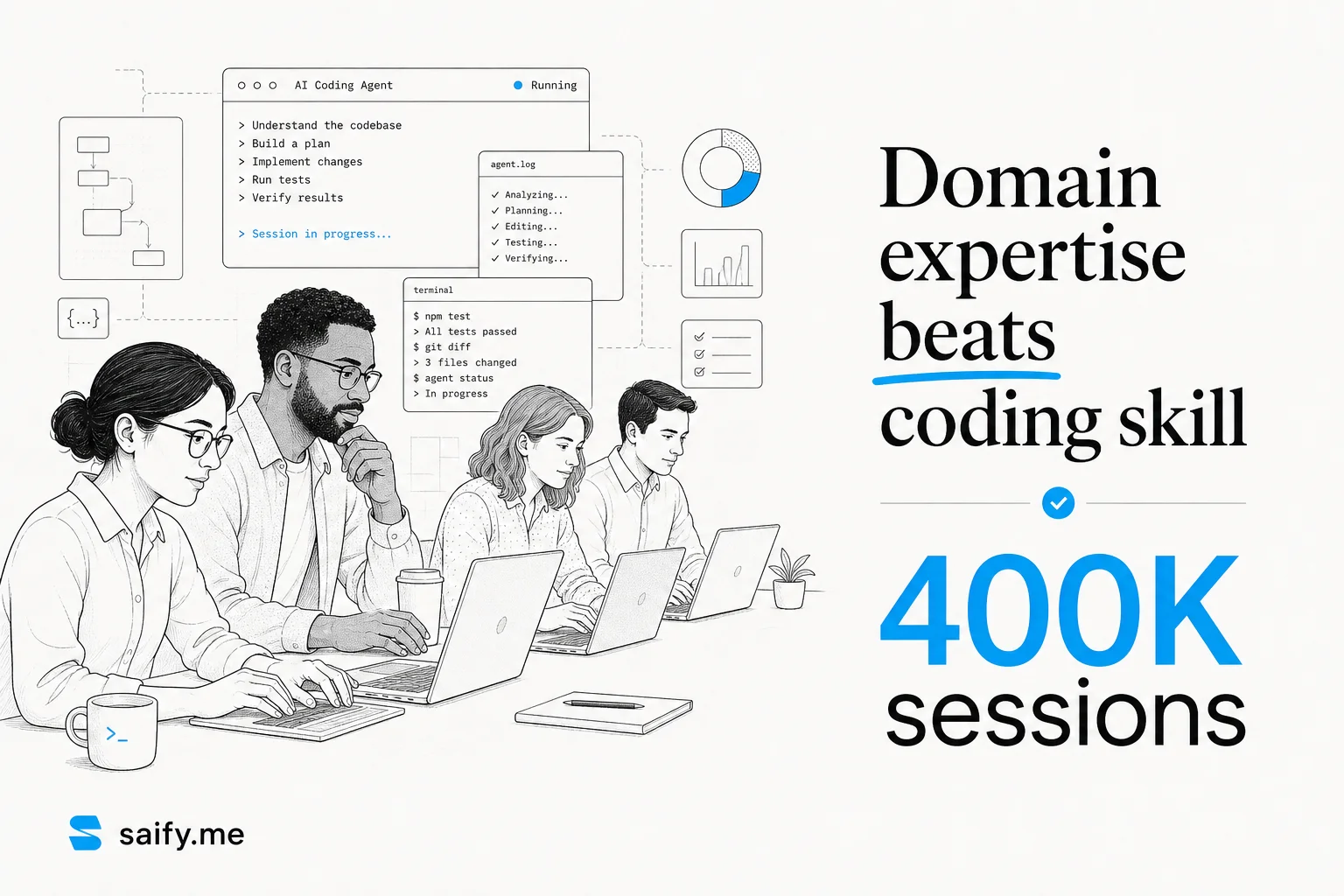
A privacy-preserving analysis of roughly 400,000 Claude Code sessions shows lawyers, managers, and finance folks succeed at nearly the same rate as software engineers. Verified success doubles from novice to expert, and average task value rose 27% in six months.
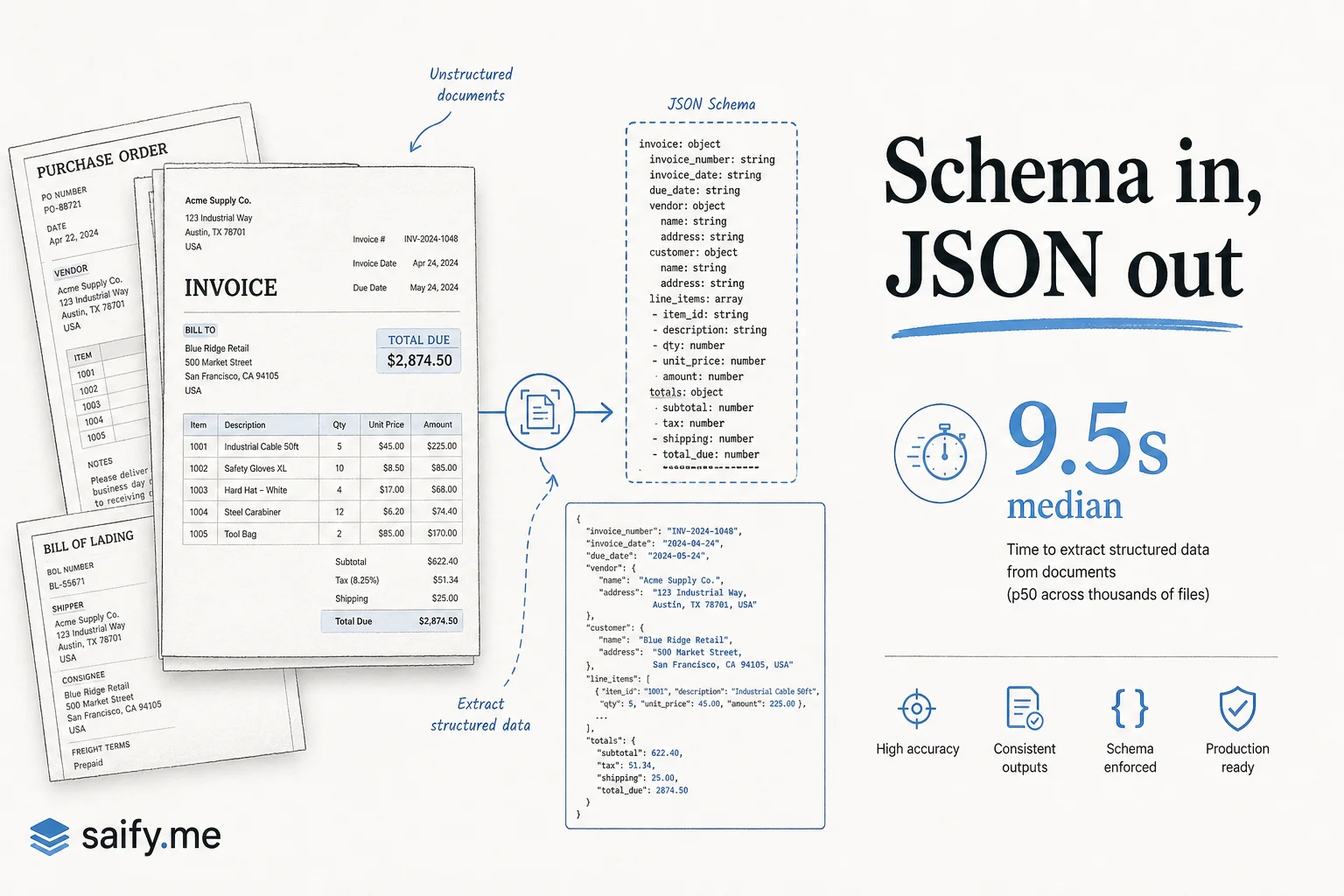
Datalab's lift is a 9B open-weights vision model that decodes directly against your JSON Schema. Schema-constrained generation guarantees valid structure, trained abstention returns null instead of hallucinating fields, and self-hosted runs hit 90.2% field accuracy.
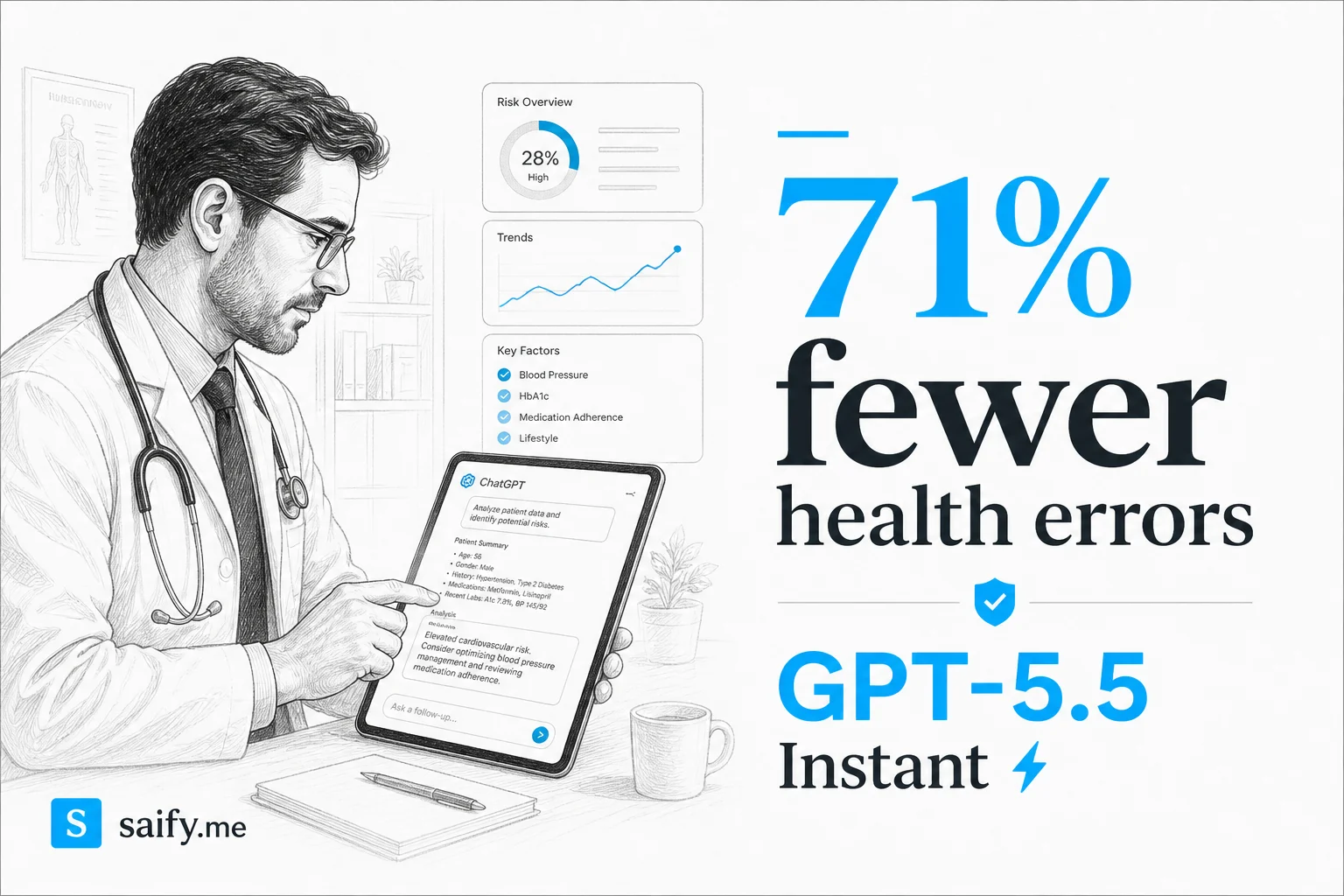
OpenAI's June health intelligence update pairs GPT-5.5 Instant with a global physician network across 60 countries. Production monitors show 71% fewer flagged health factuality issues, with panel ratings beating older models and physician-written answers on several dimensions.
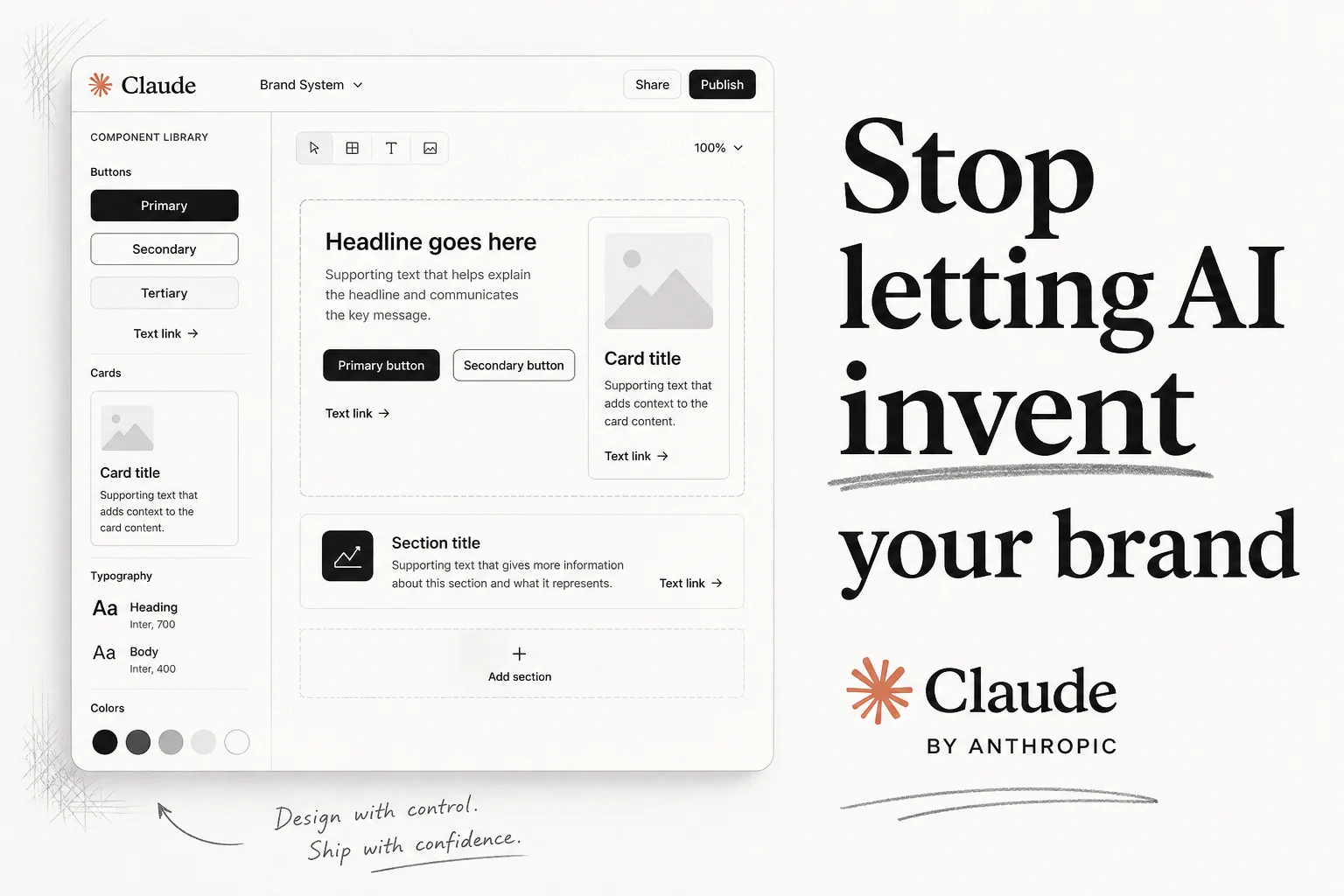
Anthropic rebuilt Claude Design so prototypes start from your GitHub components, auto-correct against your tokens, and hand off to Claude Code without a screenshot rebuild. Here's what that means if you ship UI for clients.
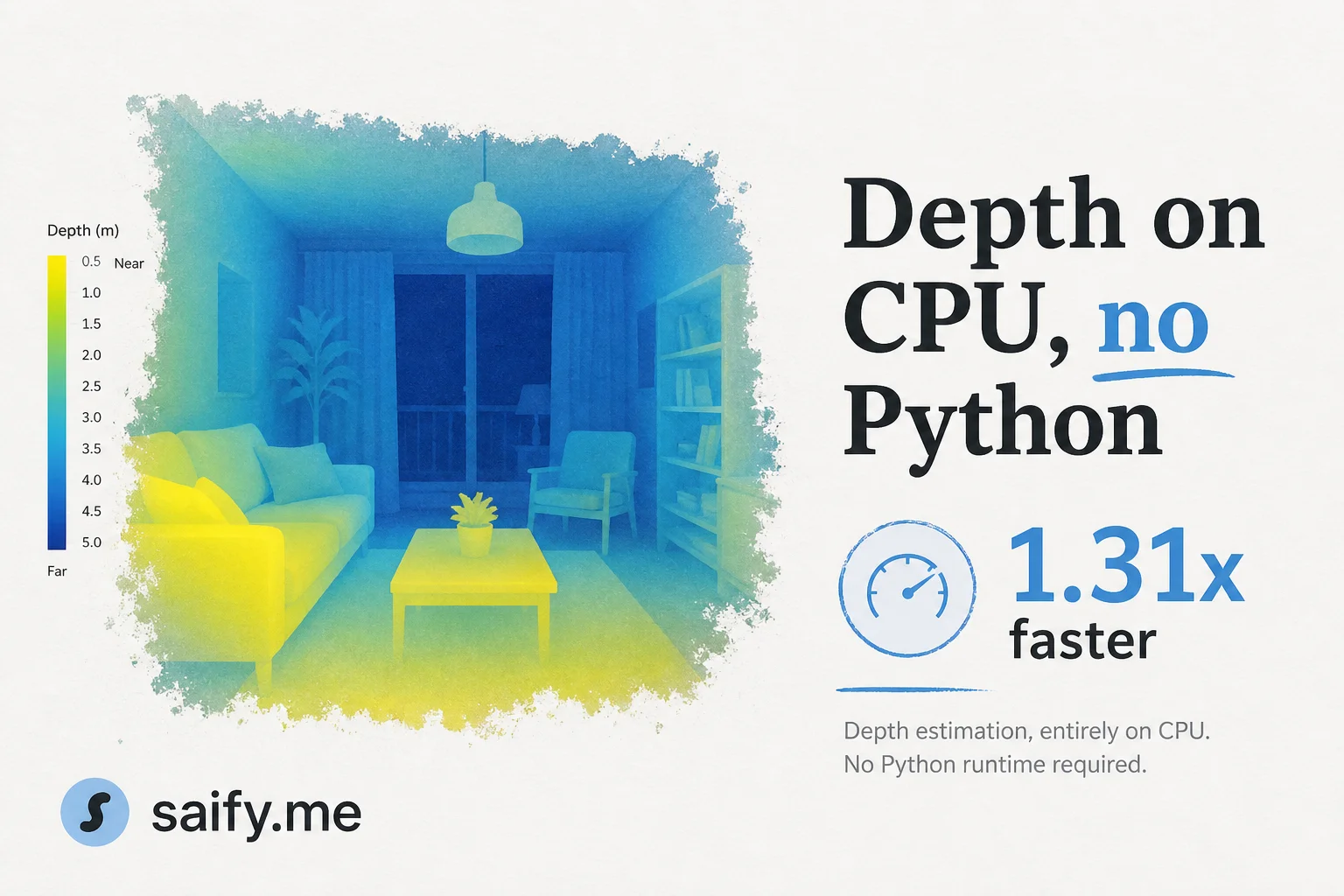
depth-anything.cpp ports ByteDance Depth Anything 3 to ggml with no Python at inference. On CPU it runs 1.31x faster than PyTorch at q8_0, uses half the RAM, and loads 6.7x faster. LocalAI v4.5 exposes it via POST /v1/depth.
Midjourney Medical unveiled a full-body ultrasound scanner with 500,000 transducers and a 2027 SF spa launch. The twist: no generative AI in the imaging pipeline, and no FDA clearance yet.
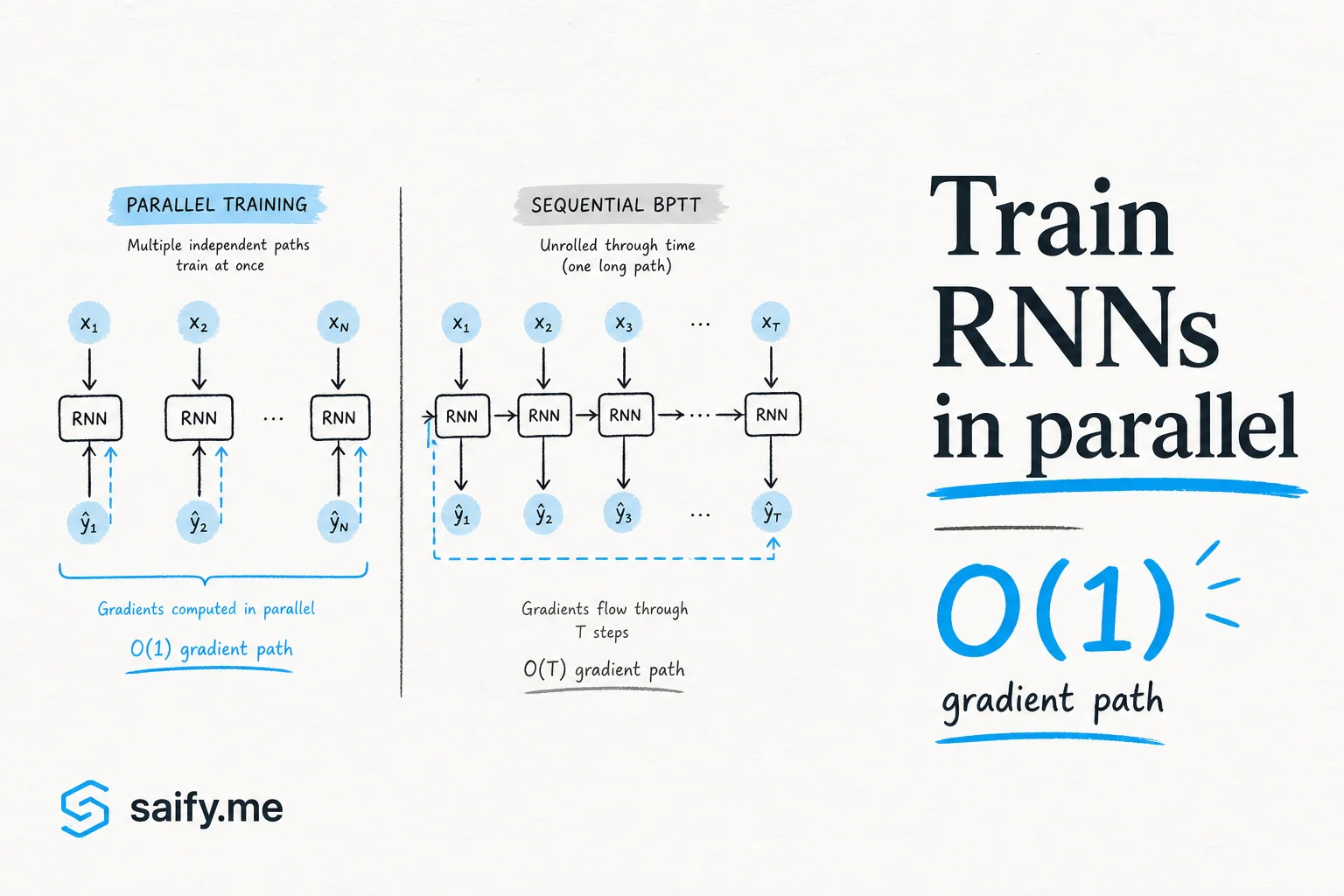
Supervised Memory Training uses a Transformer teacher to label optimal memory states, then trains nonlinear RNNs with one-step supervision. You get O(1) gradient paths and time-parallel pretraining without unrolling the full sequence.