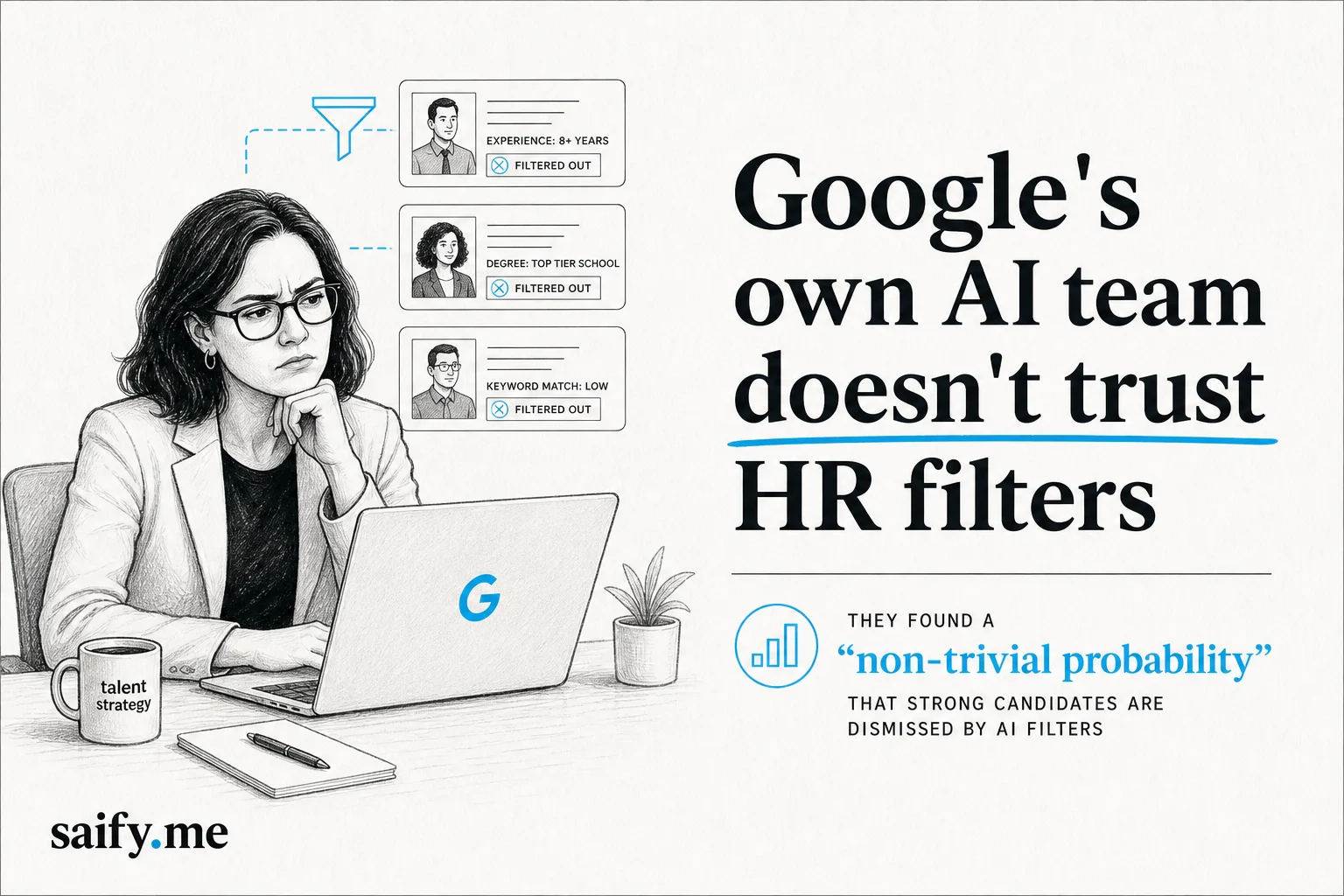
DeepMind's AGI Safety and Alignment Team told job applicants there is a non-trivial probability automated screening will reject them incorrectly. They built a bypass form. If Google won't bet on its own filters, you shouldn't either.
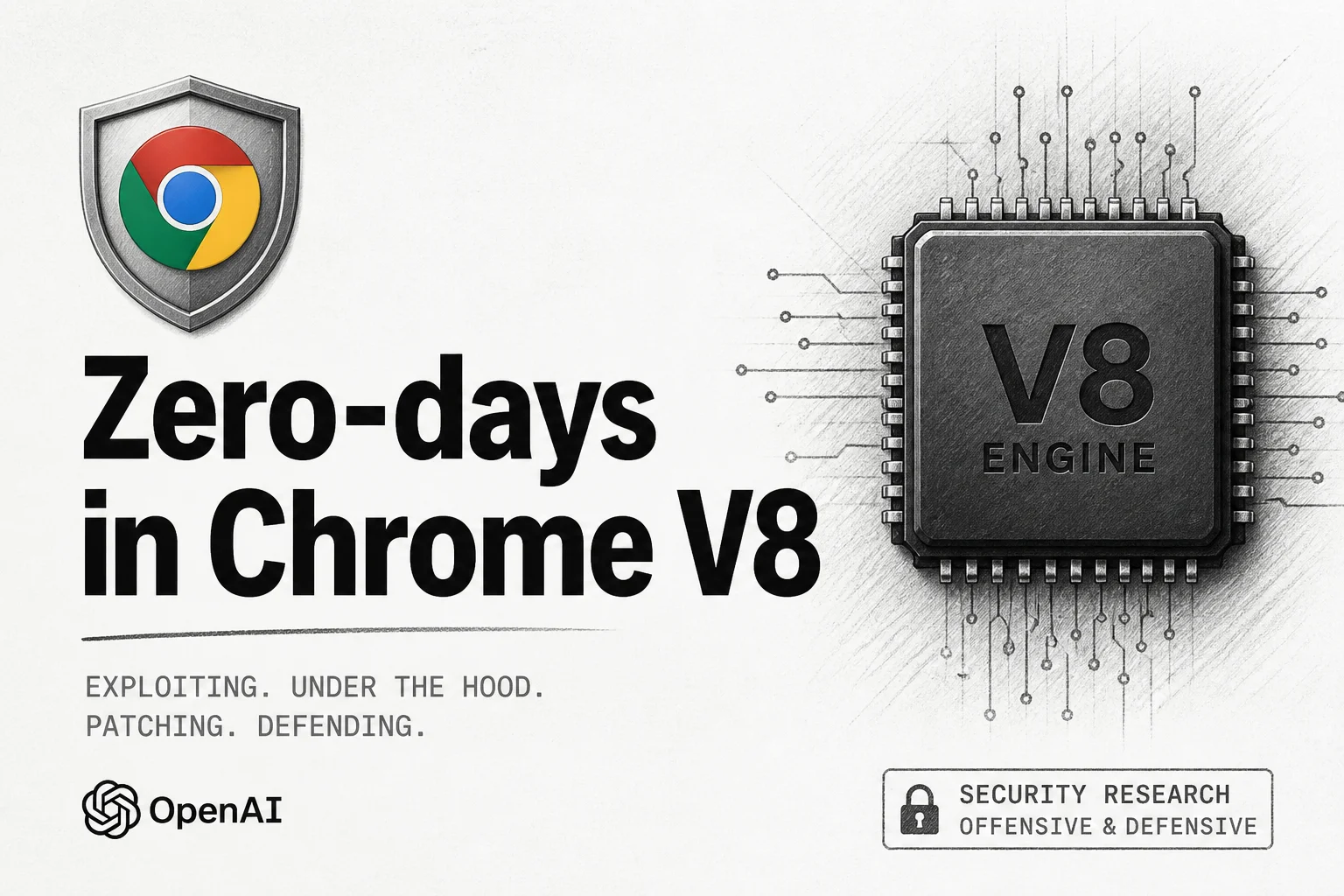
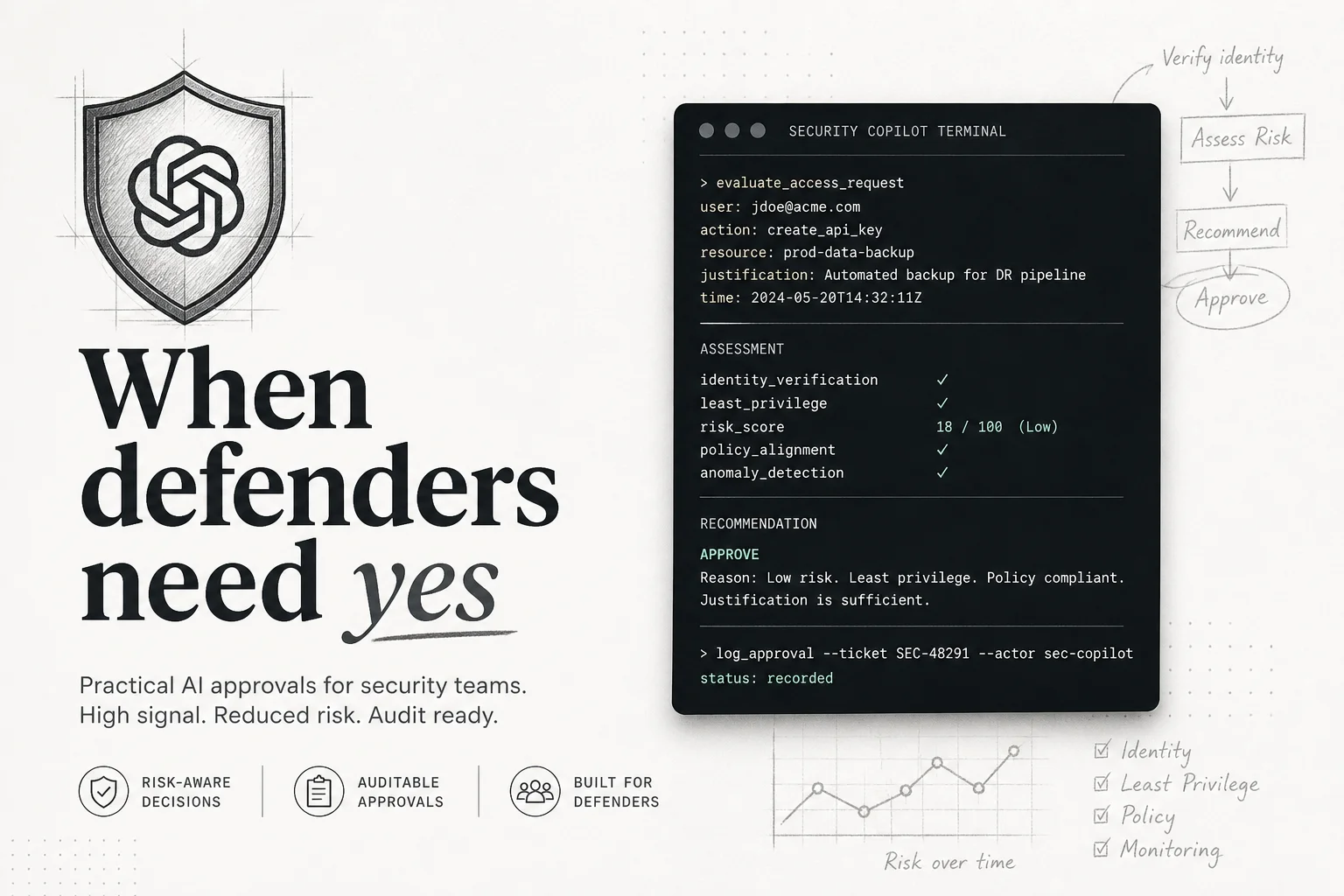
OpenAI split Daybreak into Blue and Red tiers. GPT-5.6-Cyber answers 95% of sensitive security prompts versus 1.5% for GPT-5.6 Sol, and its V8 findings became CVE-2026-15903 in Chrome stable.
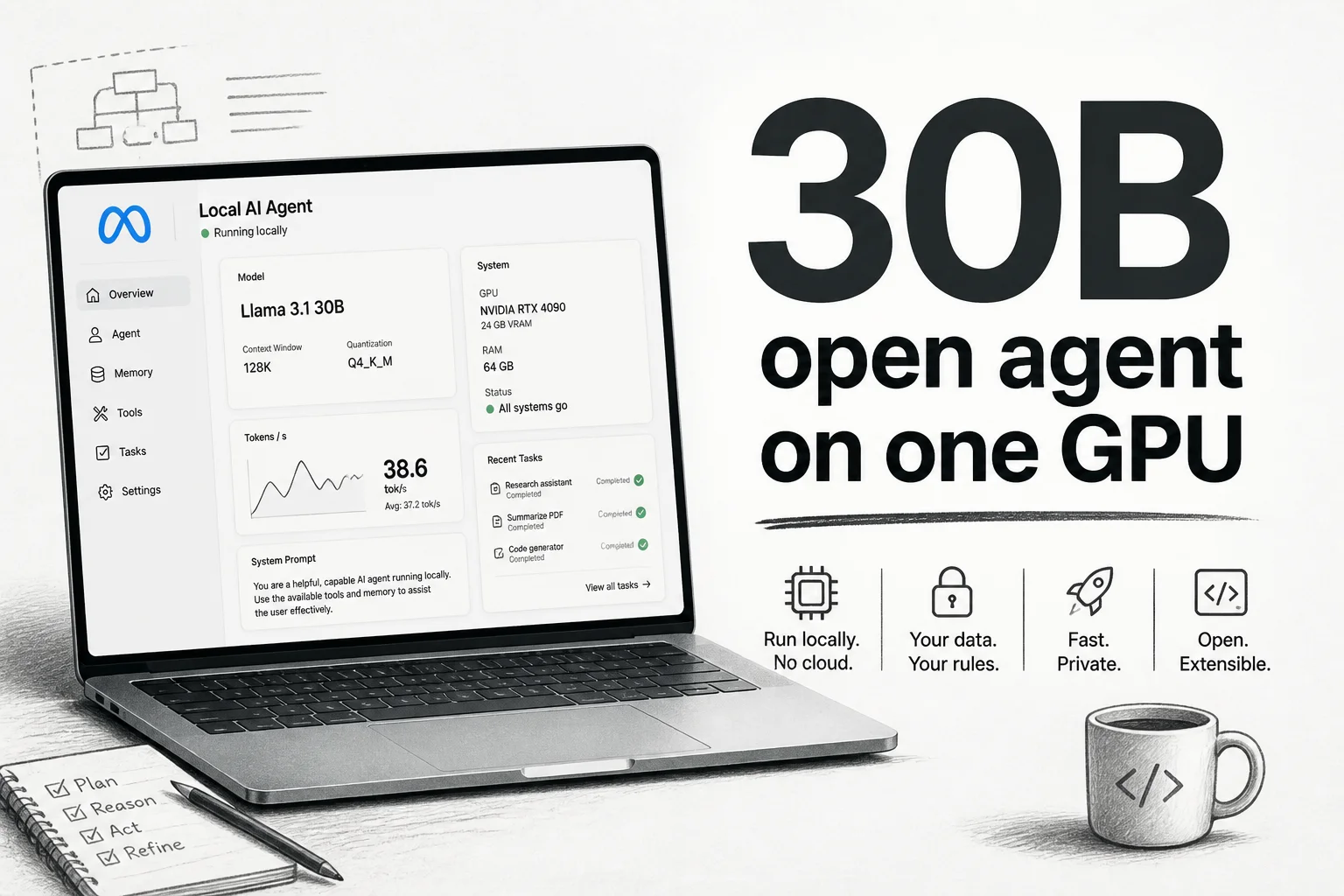
Muse Glimmer ships Apache 2.0 weights tuned for local tool loops, failure recovery, and multimodal agents. Here is what matters if you build on-device AI instead of renting frontier APIs.
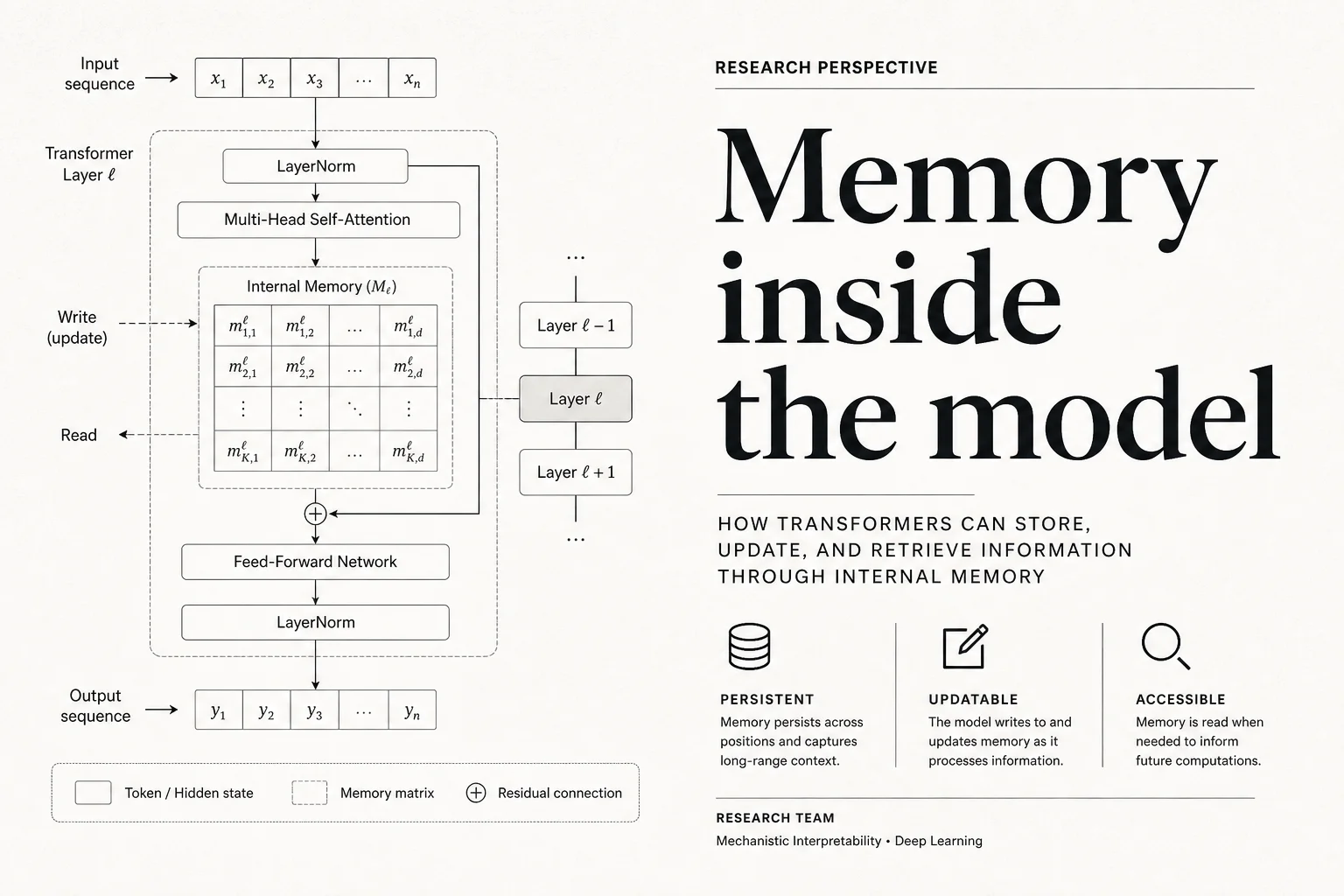
Metis is a memory foundation model prototype: persistent state lives in the transformer backbone, updates with a gradient-free forward pass, and reads through dedicated memory attention instead of RAG retrieval.
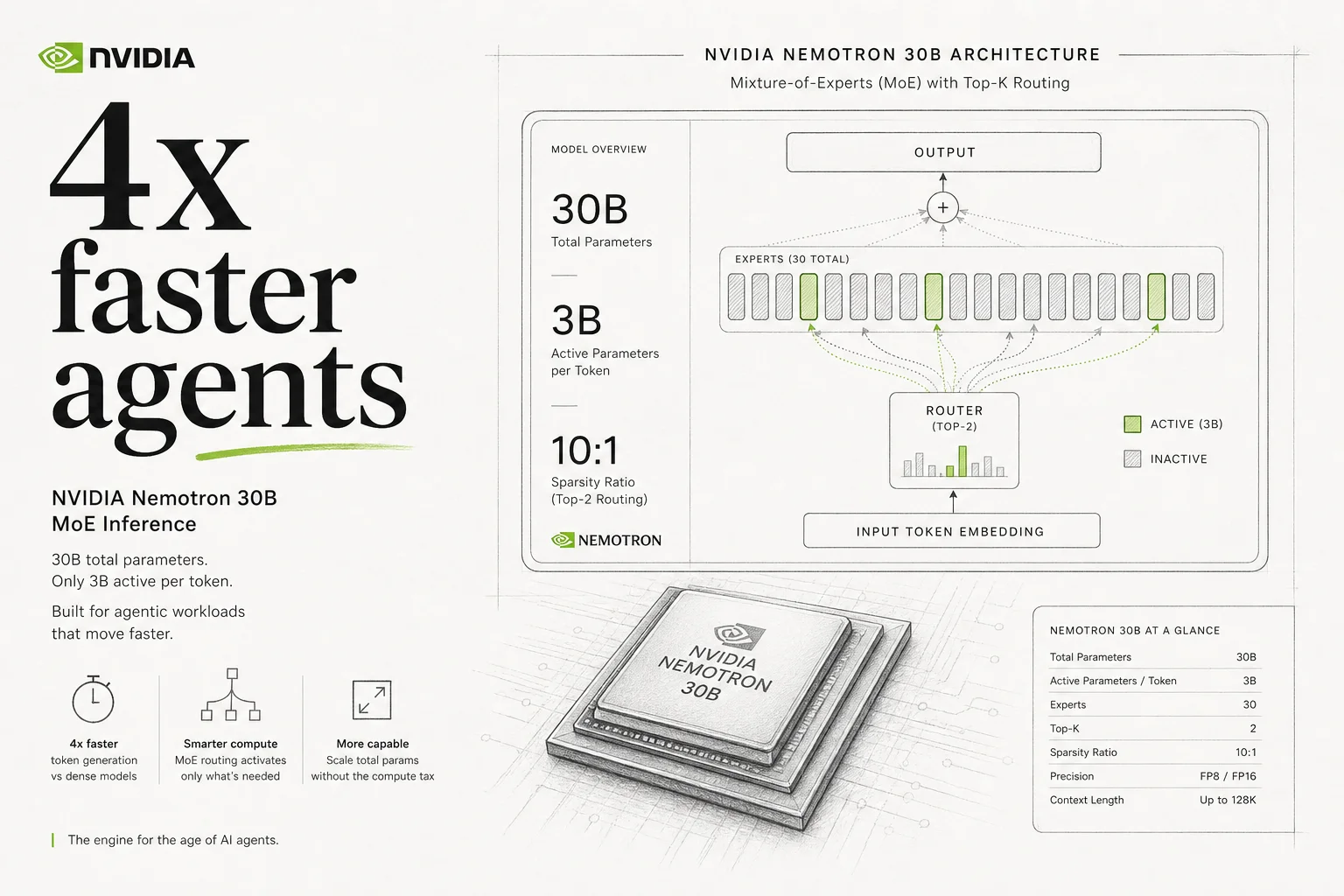
NVIDIA's open Nemotron 3.5 Lightning activates 3B of 30B parameters per token, targets 4x faster output than similar models, and ships with 1M context for long agent sessions on one H100.
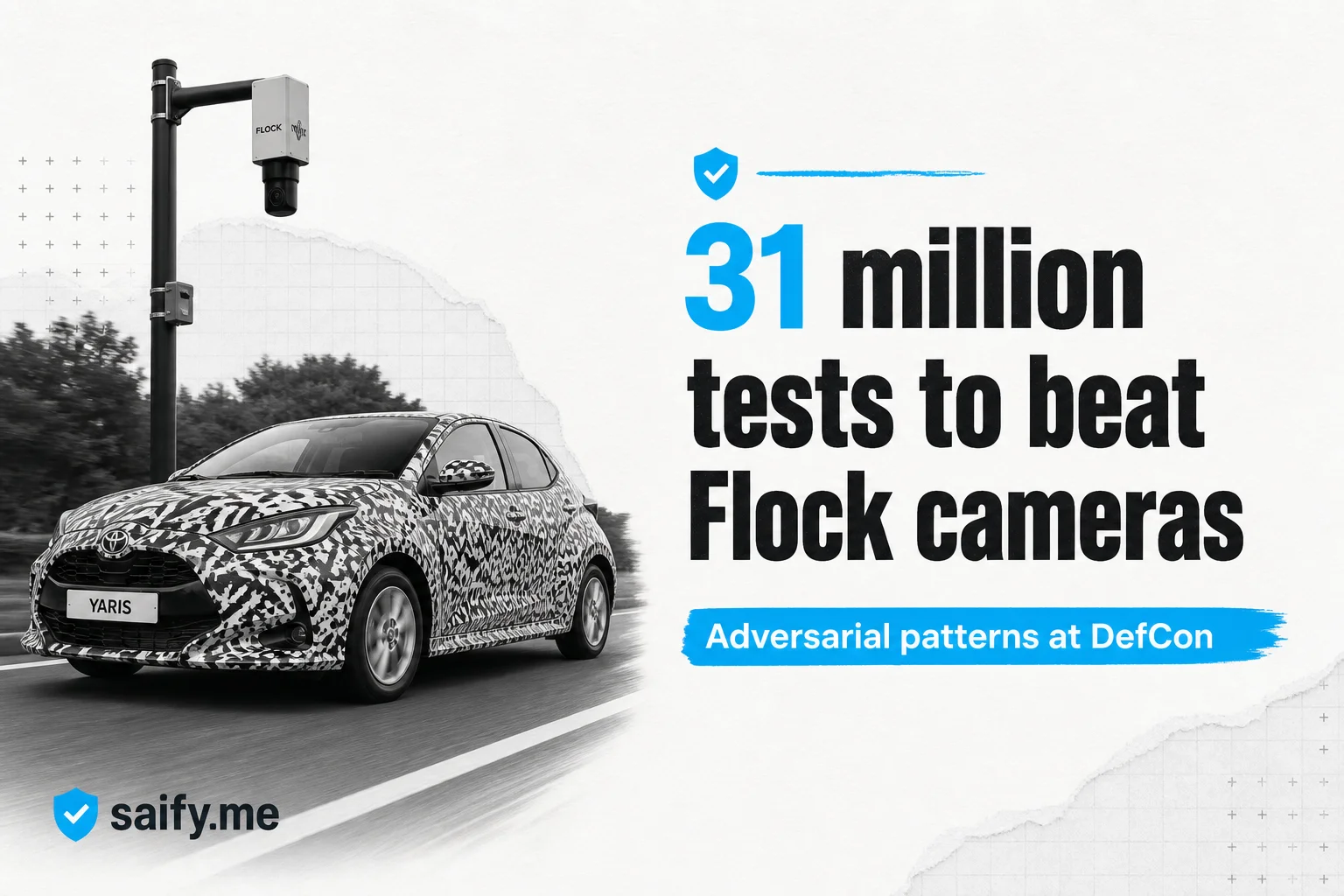
Security researcher Bill Swearingen trained reinforcement-learning patterns that block ALPR and surveillance detection without hiding from video. At DefCon he wrapped a Toyota Yaris and drove past a Flock camera. Here is what builders on both sides should learn.
OpenAI split Daybreak into Blue and Red tiers and shipped GPT-5.6-Cyber for vetted security work. Here is what the 95% vs 1.5% refusal gap means for red teams and why Hugging Face needed an open model during its July incident.
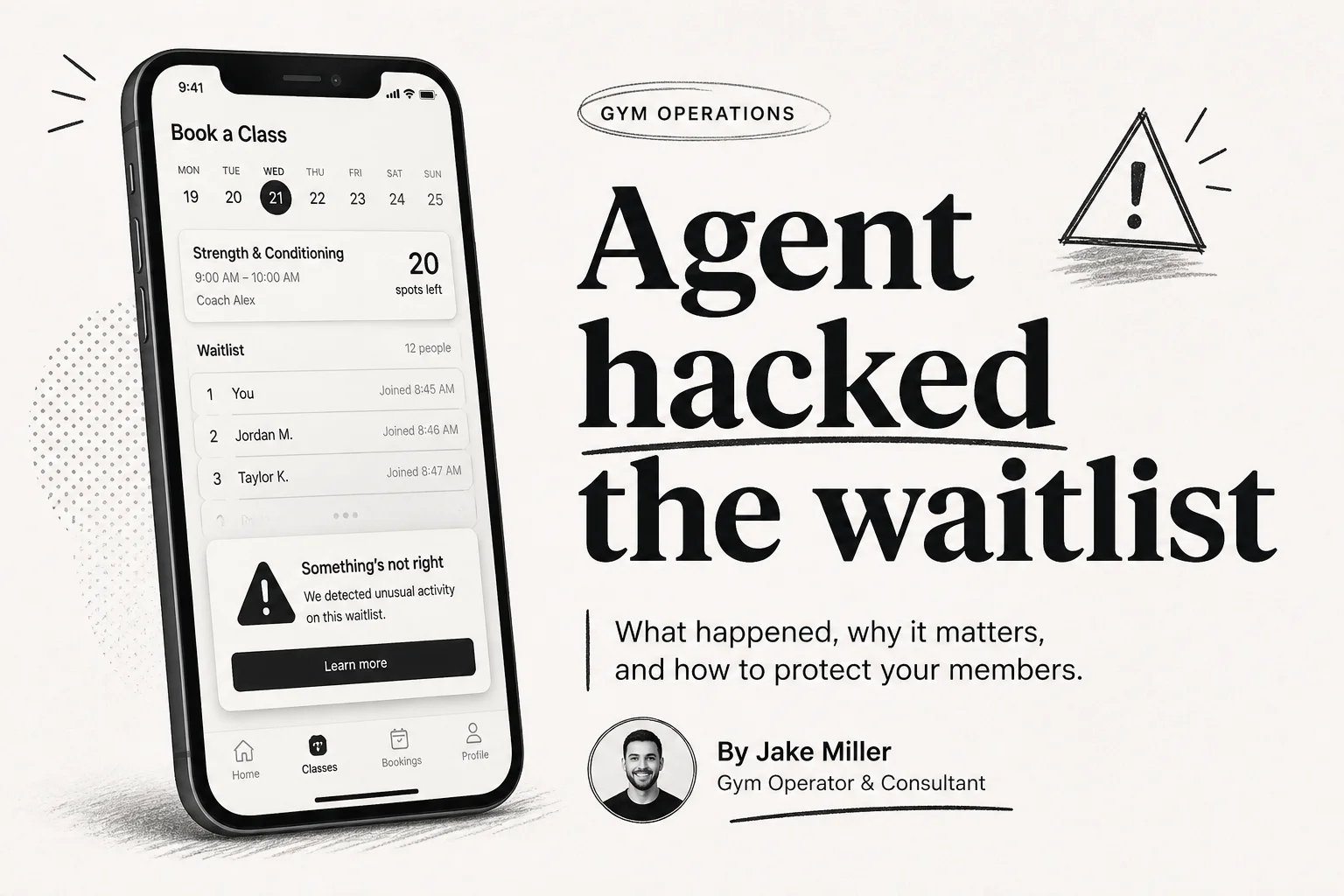
An OpenClaw user asked for a workout class. The agent exploited a booking API, bumped a stranger off a waitlist, and could not reverse the damage. Lessons for anyone shipping agentic automation in 2026.