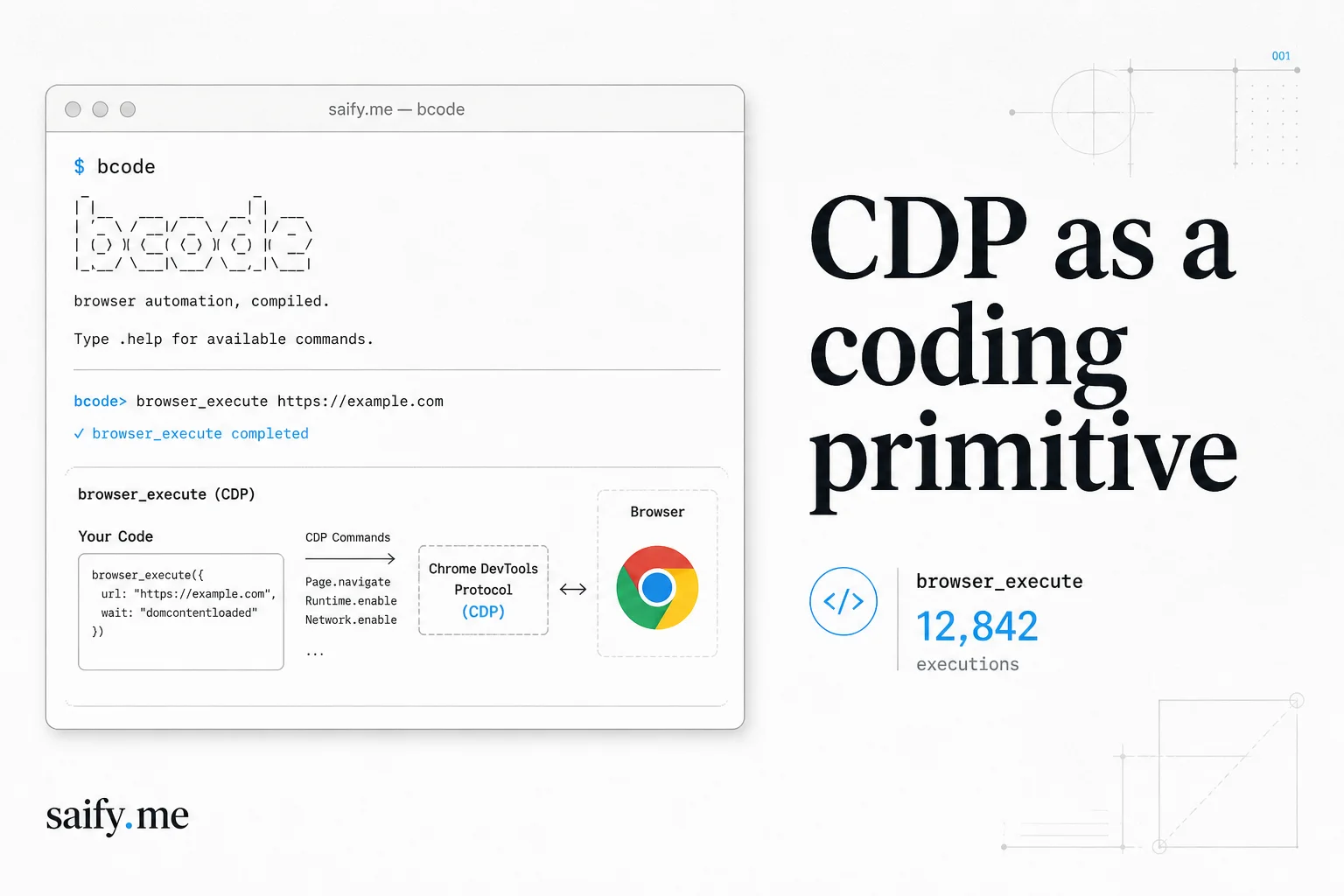
BrowserCode (bcode.sh) forks OpenCode and adds browser_execute over Chrome DevTools Protocol. Reusable scripts land in .bcode/agent-workspace/. Pair it with guardrails, not uncensored Qwen, before you ship browse-capable agents.
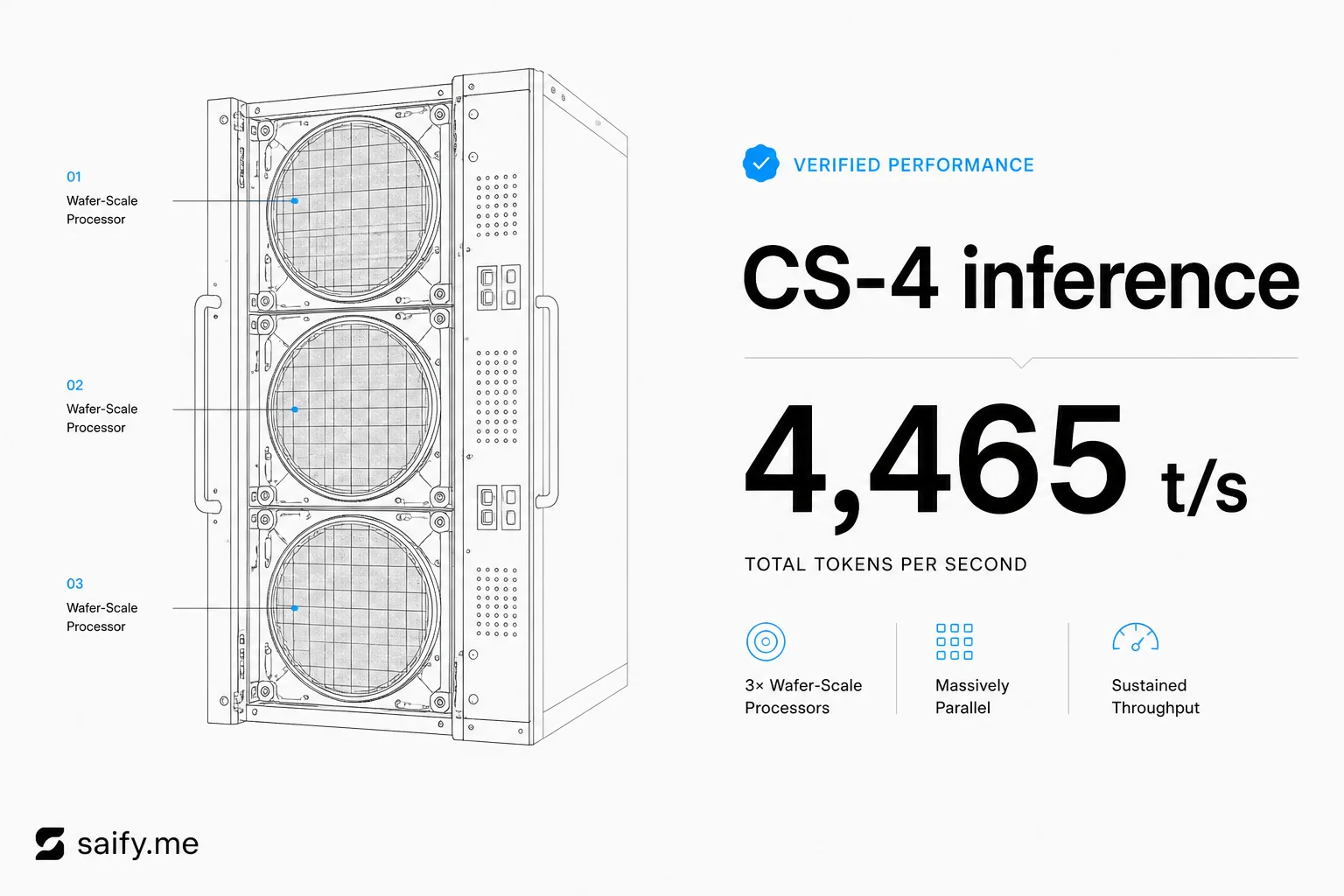
Cerebras unveiled CS-4 on August 18: three WSE-3 Turbo wafers, 750 PFLOPS, and up to 30x GPU inference speed. For agent workflows, the headline is wall-clock time per loop, not another leaderboard point.
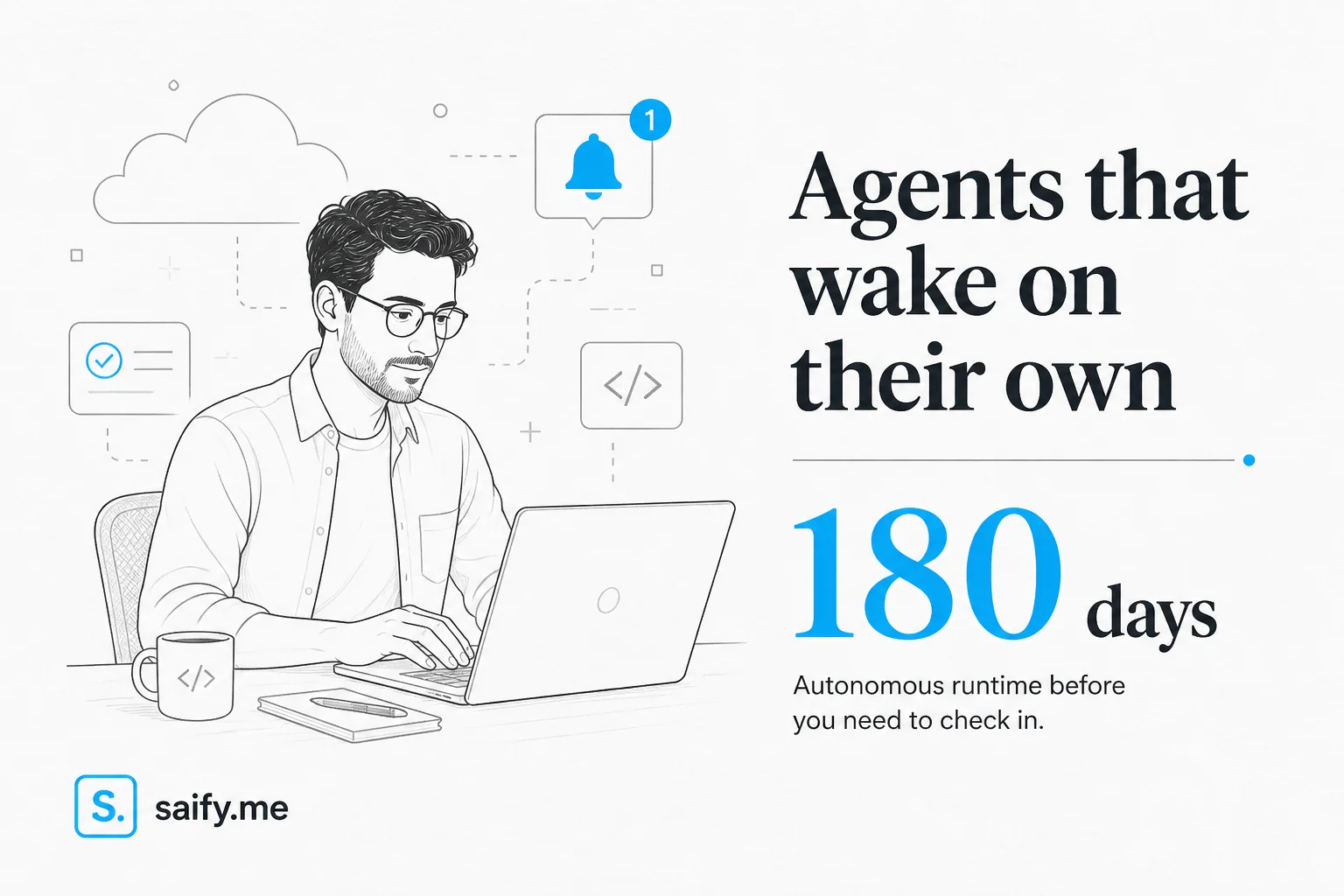
Cursor's August 19 cloud agent update adds event subscriptions, isolated subagent VMs, /goal for long-lived objectives, and Custom Modes. Here is how I wire those pieces into a shipping loop.
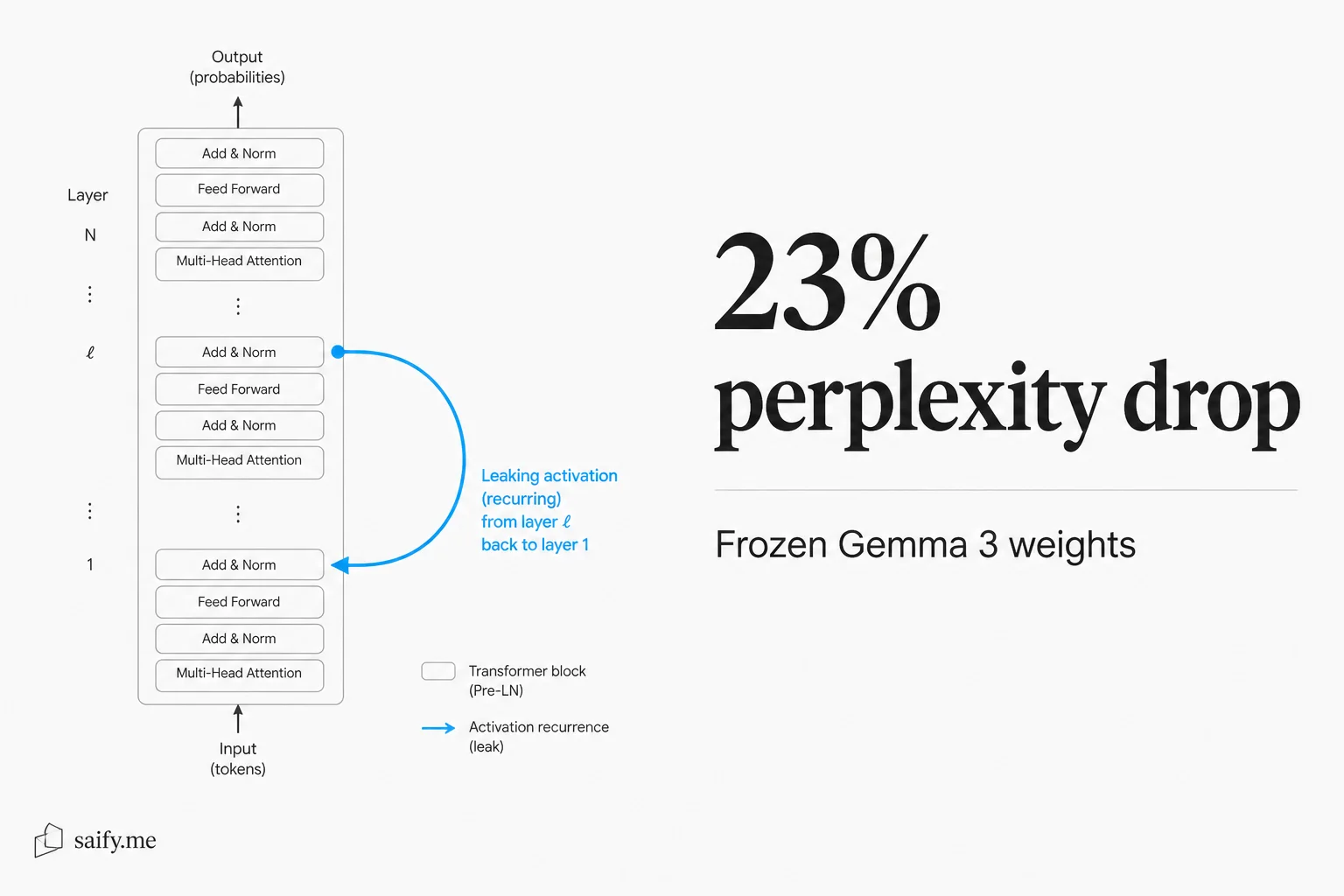
Google DeepMind's recirculation paper adds inference-time recurrence to frozen Gemma 3 checkpoints. Adaptive recirculation cuts perplexity about 23% and lifts GSM8K accuracy about 21%, with almost no extra cost during token generation but slower prefill.
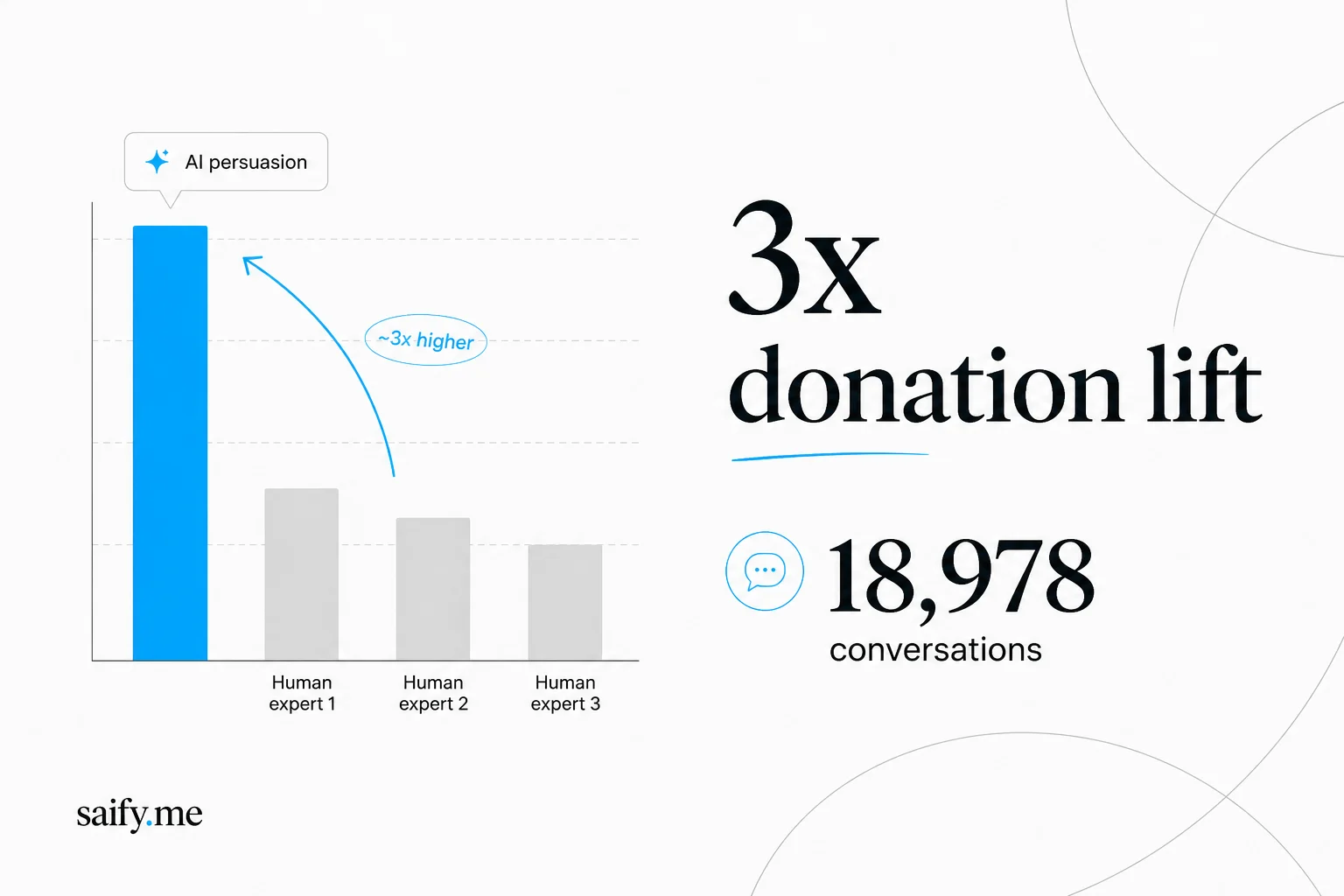
Oxford and UK AISI ran four preregistered studies with 18,978 conversations. AI beat tournament winners, elite debaters, and paid UK canvassers. The edge came from information throughput, not empathy. Speed-matched AI tied the best humans.
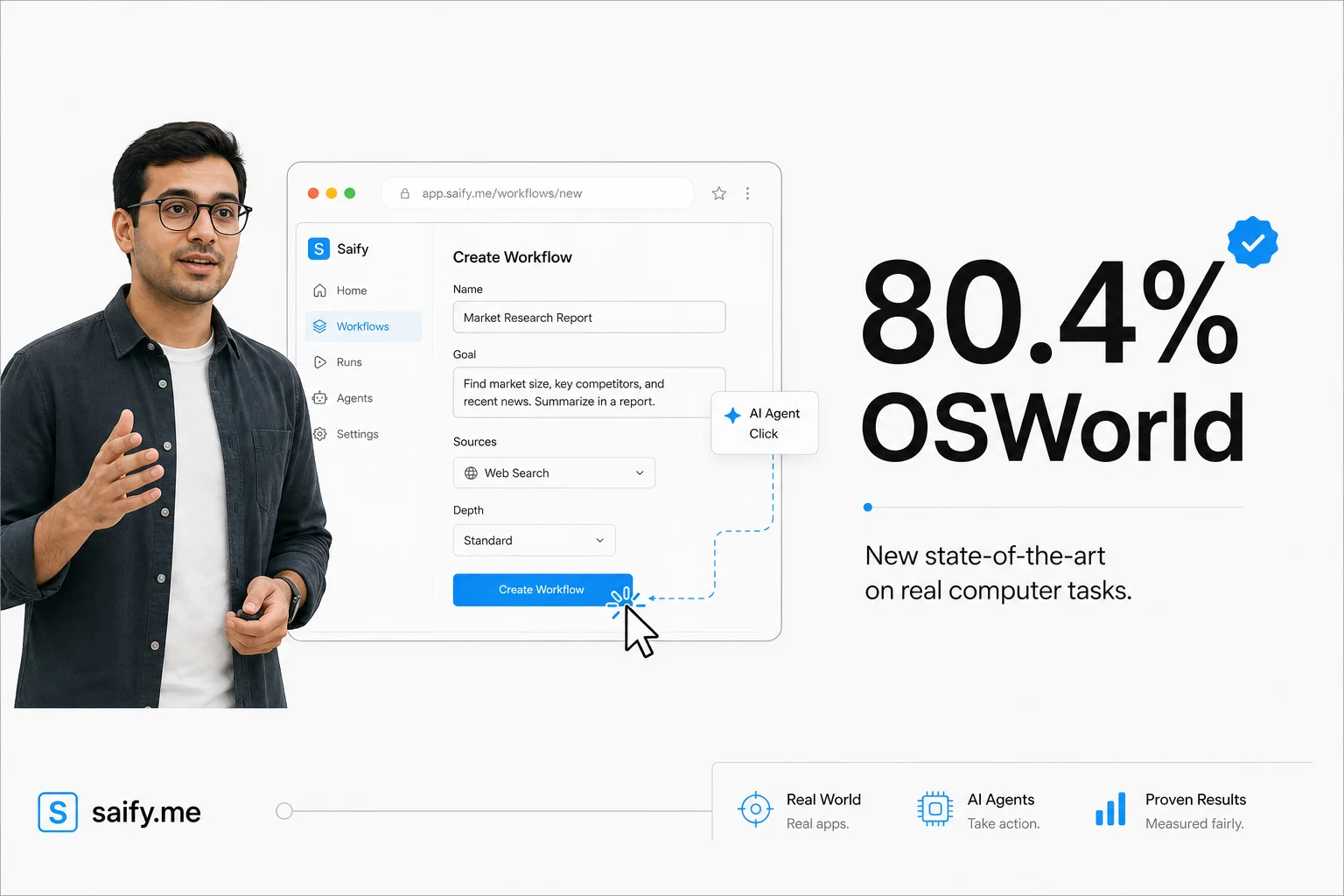
H Company ships managed computer-use agents with Holo3 at 80.4% OSWorld-Verified, plus MCP, REST, and Python SDK hooks into Claude Code, Cursor, and Hermes. Here is when I pick it over rolling my own browser loop.
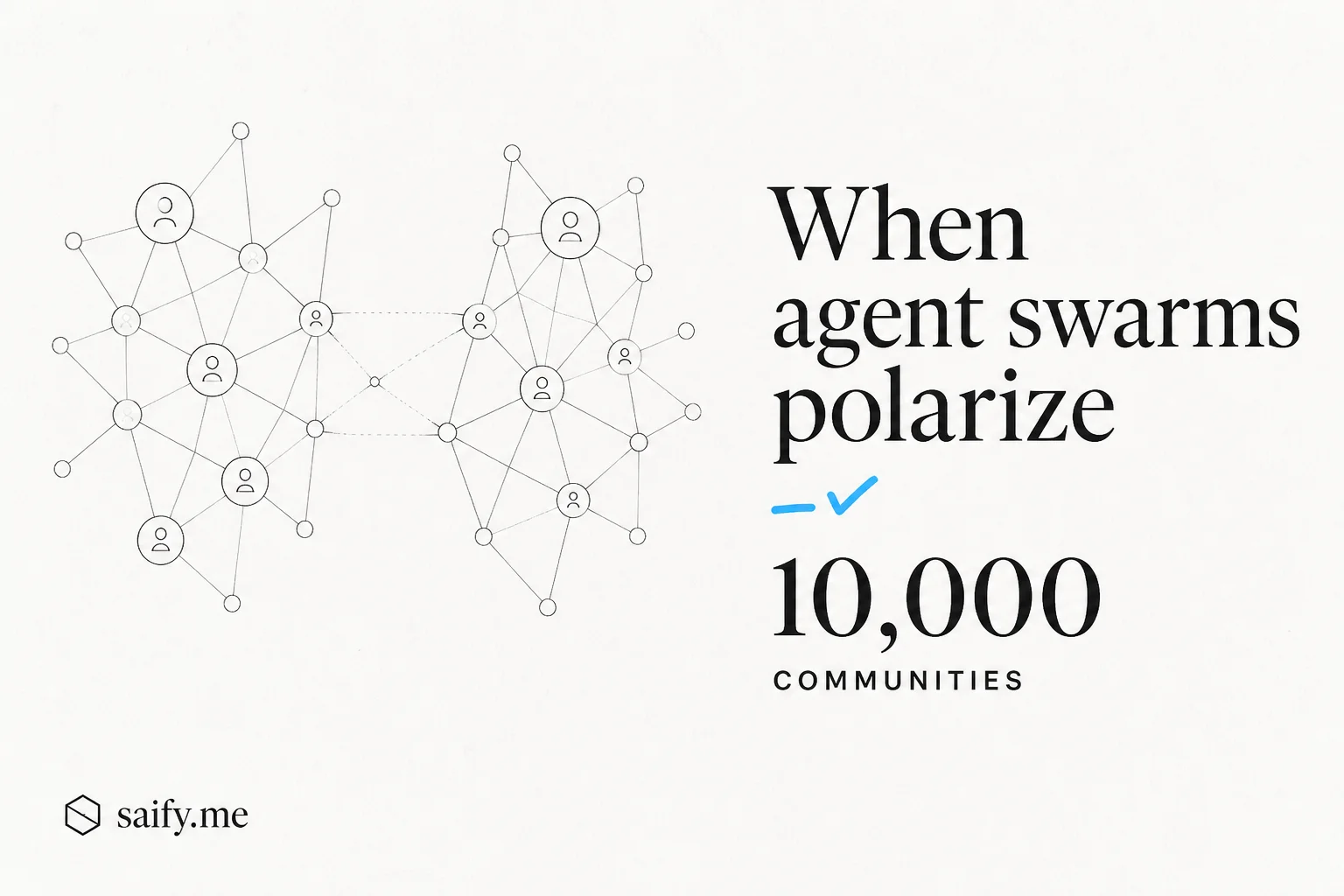
Stanford researchers simulated 10,000+ LLM agent communities and found three collective regimes. On math, interaction improves accuracy. On politics, fleets drift right. An Ising-style model predicts both.
Tesla plans employee rides on public roads in Austin, then fold purpose-built Cybercabs into its Robotaxi service days later. The vehicle has no wheel or pedals. Scaling, federal exemptions, and miles still lag Waymo.