
Image-to-video is where most generative video stacks still feel like a demo. Motion warps. Objects lose weight. Audio gets bolted on in a second pass.
xAI's June 2026 release of Grok Imagine Video 1.5 targets the parts that break real creative workflows: physics, motion consistency, and synchronized audio, with a concrete speed win on top.
What shipped in Video 1.5
xAI rolled out two tiers:
| Variant | Where | Focus |
|---|---|---|
| Video 1.5 | xAI API (grok-imagine-video-1.5) | Full quality, GA out of preview |
| Video 1.5 Fast | grok.com/imagine, iOS, Android | ~2x faster iteration |
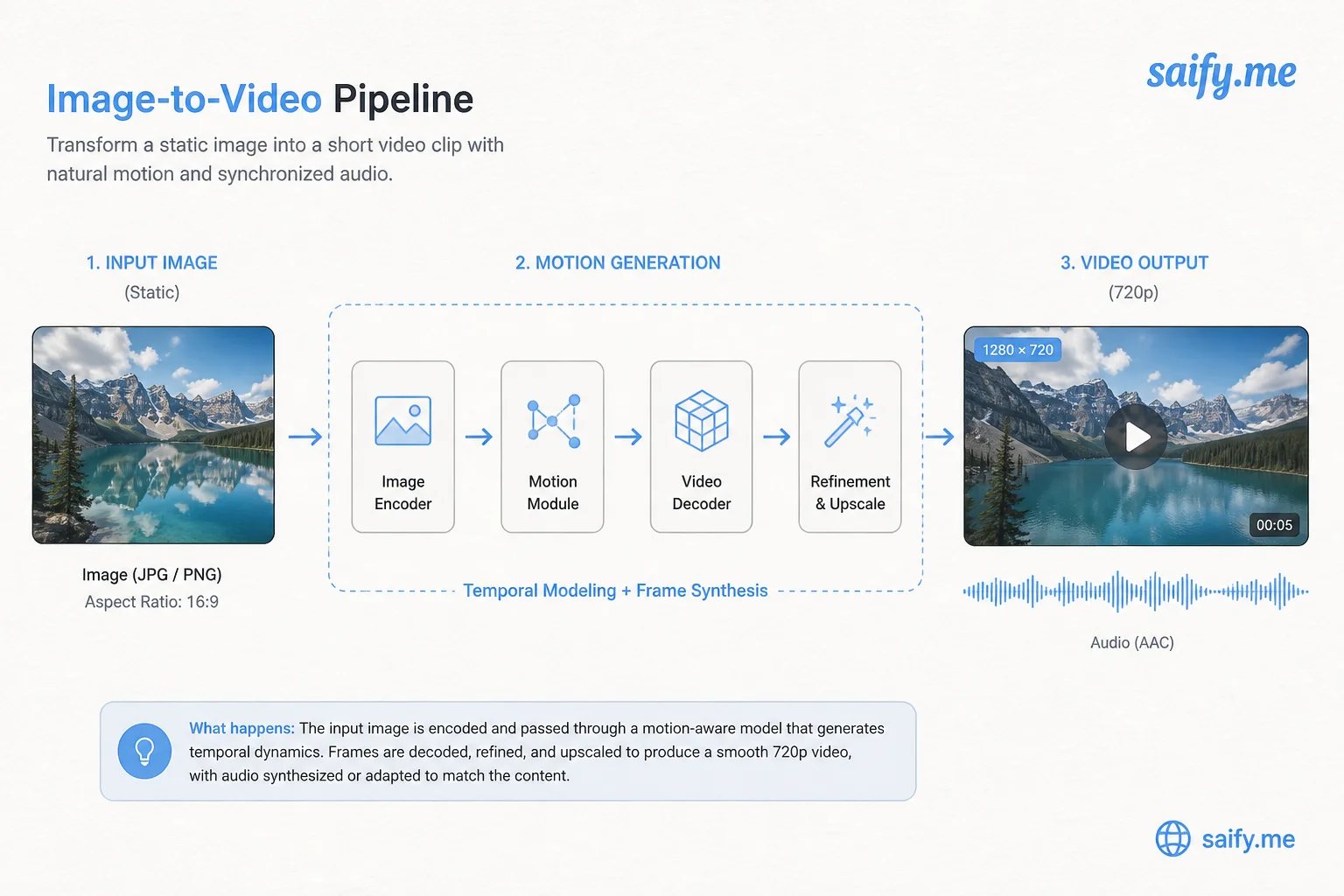
Both are image-to-video first. You provide a starting frame (portrait, product shot, illustration) plus a natural-language motion prompt. The model returns a short clip with native audio (dialogue, SFX, ambience) generated in the same pass.
Specs that matter for production planning:
| Spec | Value |
|---|---|
| Duration | 1 to 15 seconds |
| Resolution | 480p, 720p (some modes support 1080p) |
| Aspect ratios | auto, 16:9, 9:16, 1:1, 4:3, 3:4, 3:2, 2:3 |
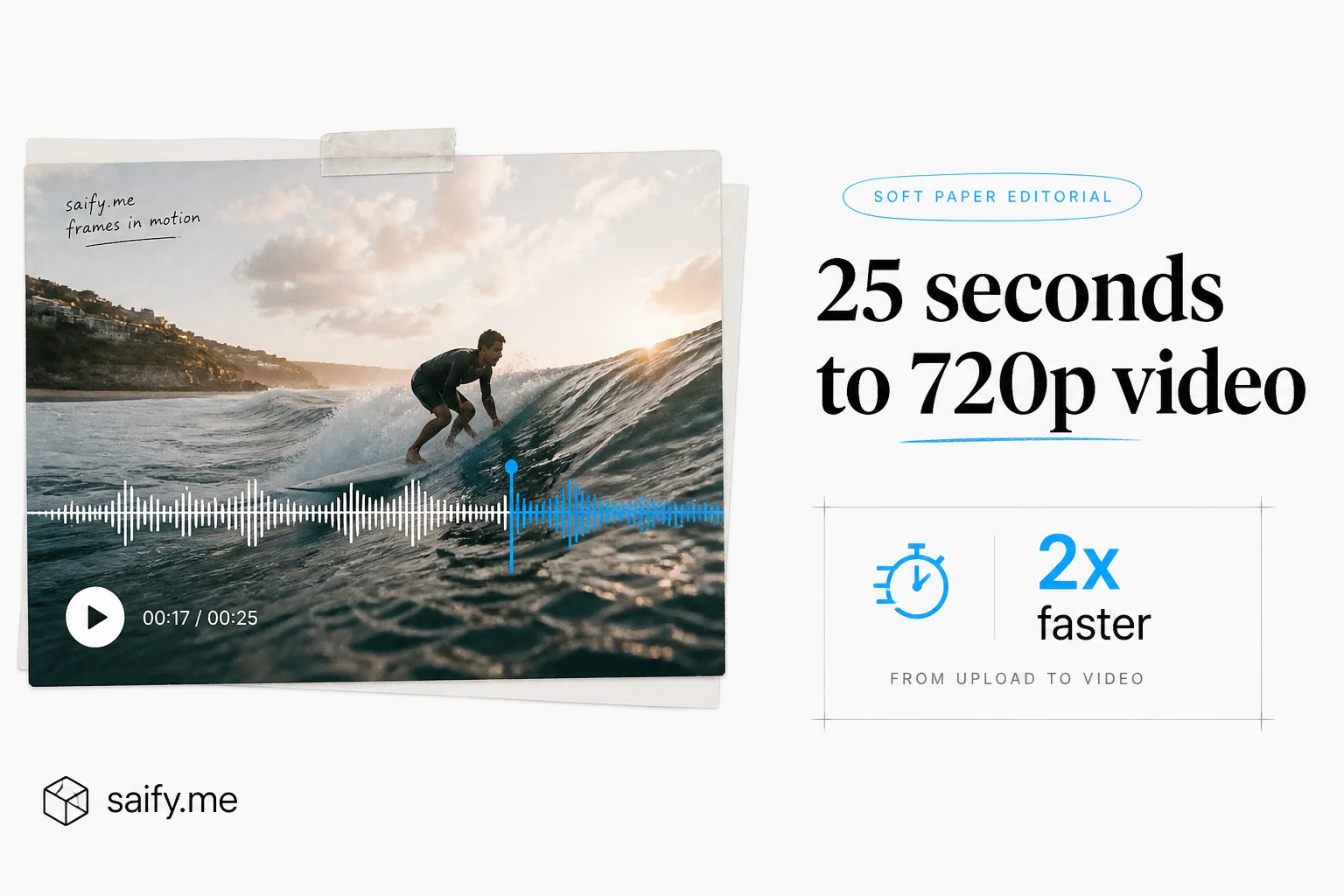
| Generation time (Fast, 6s 720p) | ~25 seconds (was 40+ on prior model) |
| API model id | grok-imagine-video-1.5 |
Motion and physics: what actually improved
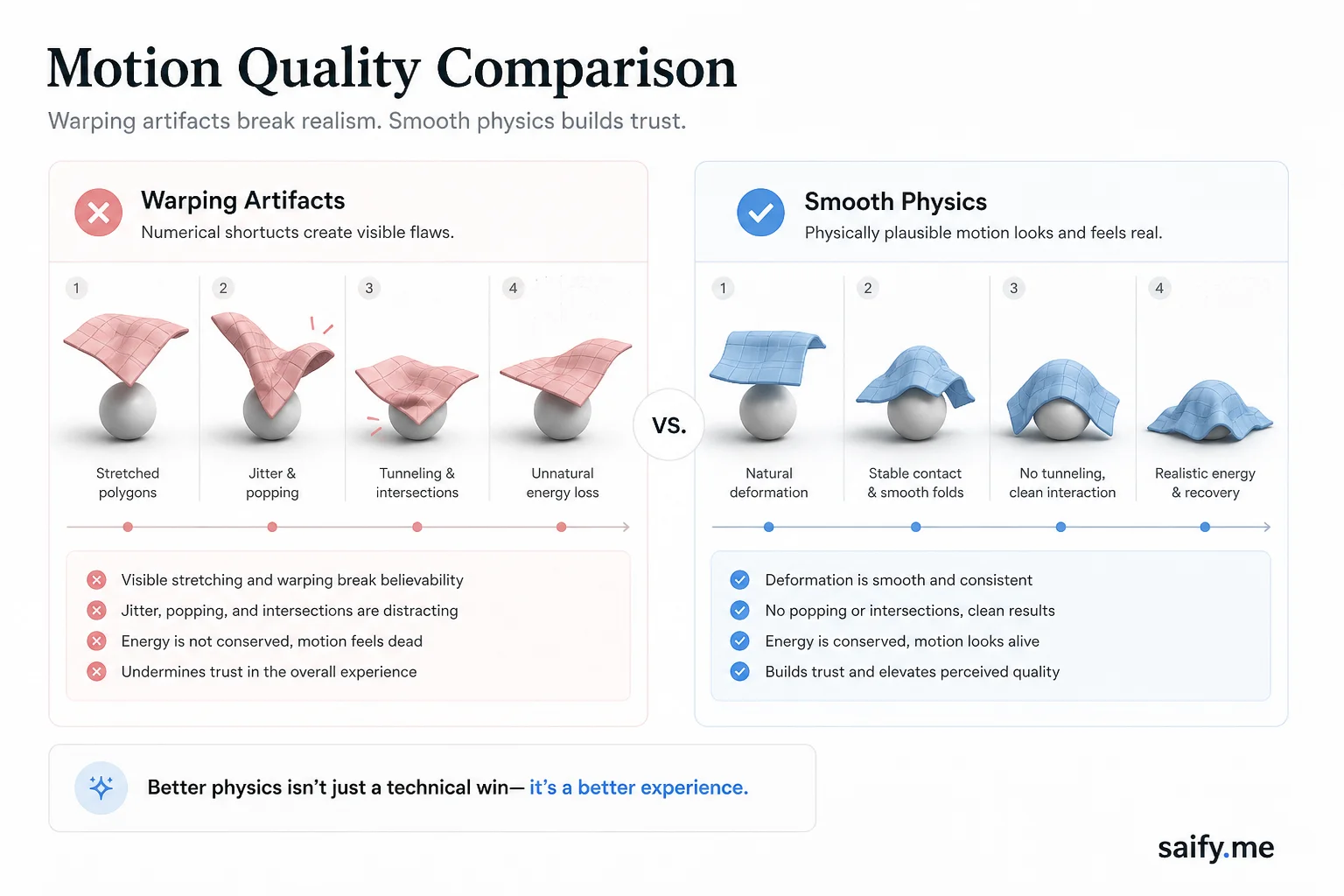
The marketing line is "sharper realism." The engineering claim underneath is more specific: movement holds together over the length of a clip.
That means fewer warps when a subject turns, more believable momentum when objects collide, and less of the rubber-band effect that makes AI video feel uncanny in product demos.
xAI also highlighted audio sync: lip movement, ambient sound, and action cues generated together instead of stitched after the fact. For ad variants and social clips, that single-pass workflow matters more than peak resolution.
If you have been comparing stacks, put this next to MiniMax H3 multimodal video and BFL Flux 3 native audio. The race in 2026 is not just pixels. It is temporal coherence plus audio in one render.
API shape for builders
Video 1.5 is GA on the Imagine API. The call pattern from xAI's announcement:
response = client.video.generate(
    prompt="Slow cinematic push-in as embers drift across the battlefield",
    model="grok-imagine-video-1.5",
    image_url="https://your-host.com/helmet.jpg",
    duration=10,
    resolution="720p",
)

print(response.url)
You can also run the preview on Replicate if you want a hosted sandbox before wiring xAI billing.
Image-to-video only on 1.5 preview paths. For text-to-video without a source frame, xAI points you at the separate grok-imagine-video model family.
Where I would use it (and where I would not)
Good fits:
- Product hero animations from a single studio photo
- Portrait intros with natural head movement
- Rapid storyboard iterations before committing to a longer shoot
- Pipelines that already use Grok for text and want one vendor for short motion clips
Weak fits:
- Long-form narrative (15 second cap)
- Frame-accurate broadcast compliance without human QC
- Workflows that need open weights on your own GPU today (xAI remains API/hosted)
The 25-second generation number is the hook for teams that iterate dozens of variants per concept. Speed is not vanity. It changes how many directions you can test before client review.
Pricing and access notes
Access paths:
- grok.com/imagine (Fast variant)
- xAI mobile apps
- xAI API with
grok-imagine-video-1.5
Check current per-second pricing on the xAI dashboard before you bake this into a customer-facing product. Video APIs still move fast on list price.
If you are wiring image-to-video into a client pipeline (product ads, localized variants, agent-driven creative tools), the integration details matter as much as the model card. Book a free call and we can map where native audio and sub-30-second iteration actually change your unit economics.