
OpenAI just previewed something I have been waiting for since January: frontier-class answers without the usual "go make coffee" pause.
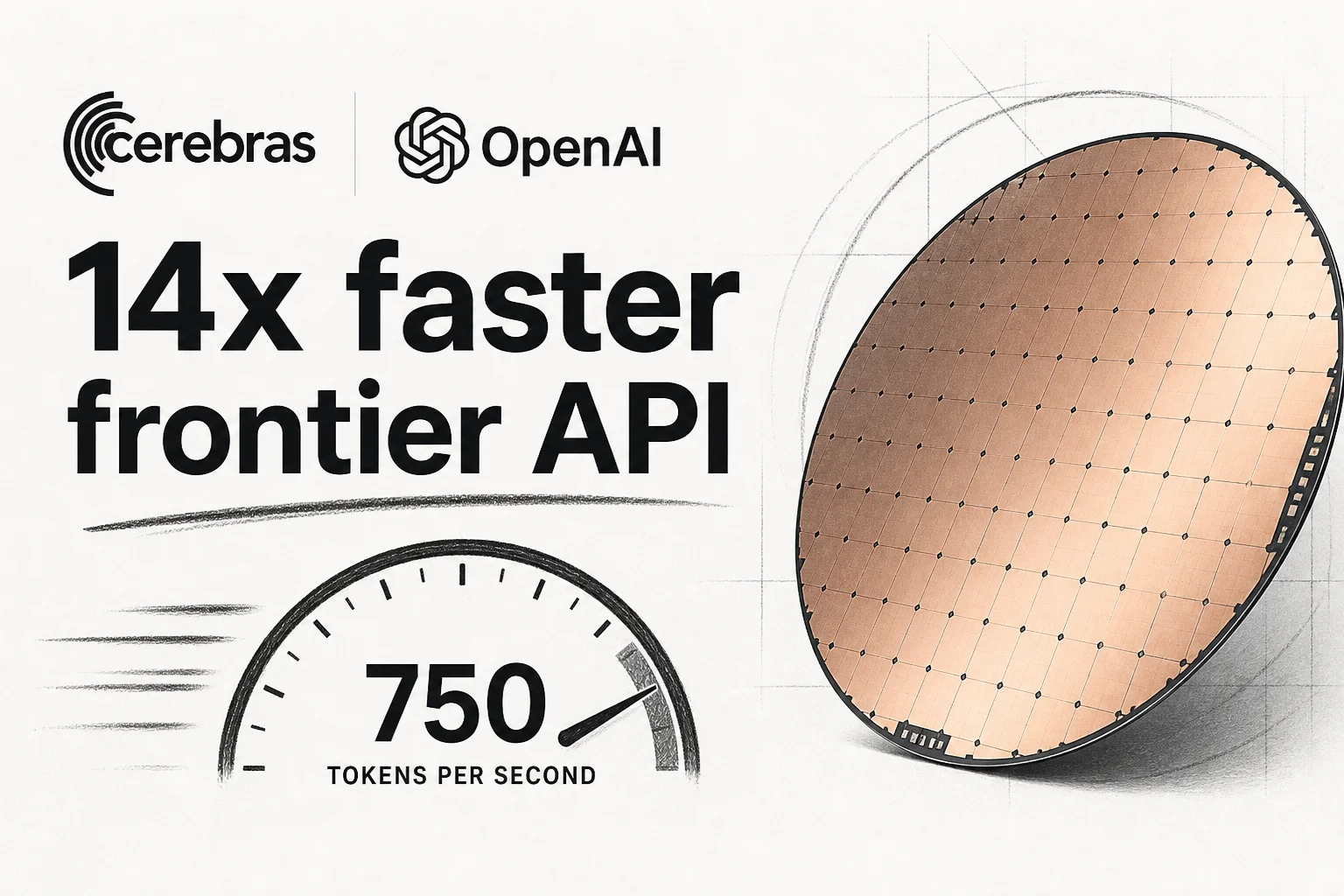
Ultrafast is a Cerebras-powered API tier that pushes GPT-5.6 Sol to as much as 14x its normal pace, with reported peaks around 750 tokens per second. That is not a micro-optimization. It is the kind of number that changes how you design agent harnesses.
I ship voice and ops agents for clients who measure success in seconds, not leaderboard scores. This preview is the first time a flagship OpenAI model and a speed-first chip story showed up in the same product announcement.
What Ultrafast actually is
The partnership is not new. OpenAI and Cerebras announced plans in January for hundreds of megawatts of inference-focused compute. Ultrafast is the first user-facing slice of that bet.
| Detail | What OpenAI shared |
|---|---|
| Model | GPT-5.6 Sol |
| Speed claim | Up to 14x vs standard tier |
| Throughput | Up to ~750 tokens/sec |
| Access | Invite-only API preview |
| Pricing | Not listed yet |
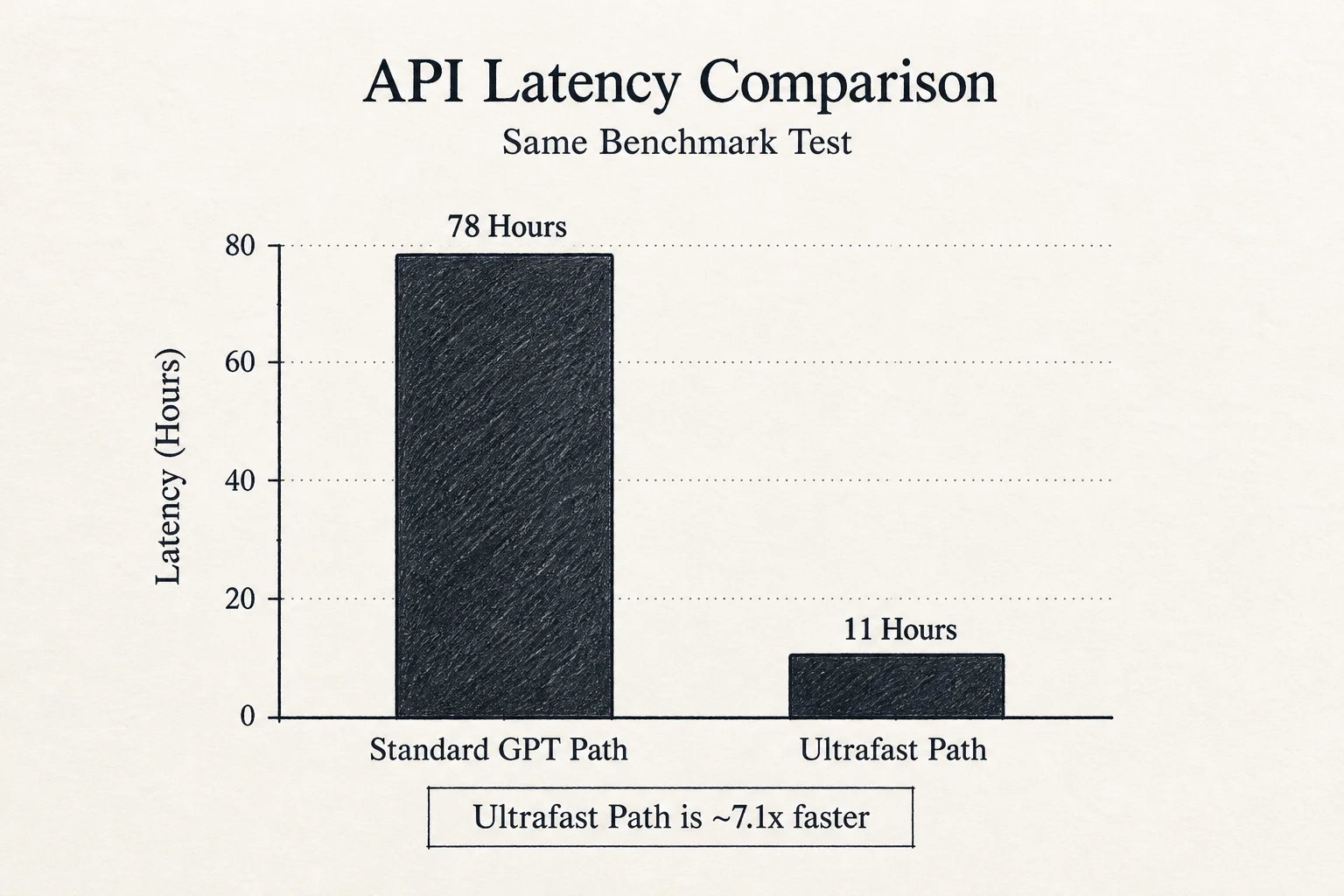
The digest highlighted a concrete benchmark: on Humanity's Last Exam, Sol with Ultrafast finished a 2,500-question run in 11 hours versus 78 hours on Fable, with comparable accuracy. Same test, radically different wall clock.
That is the number I would put in a client deck. Not because every workload looks like HLE, but because it proves the speed tier is not trading away the reason you picked Sol in the first place.
Why speed is the missing frontier knob
The industry keeps releasing models that dance between intelligence and latency. Ultrafast flips the script: keep the frontier model, add turbo.
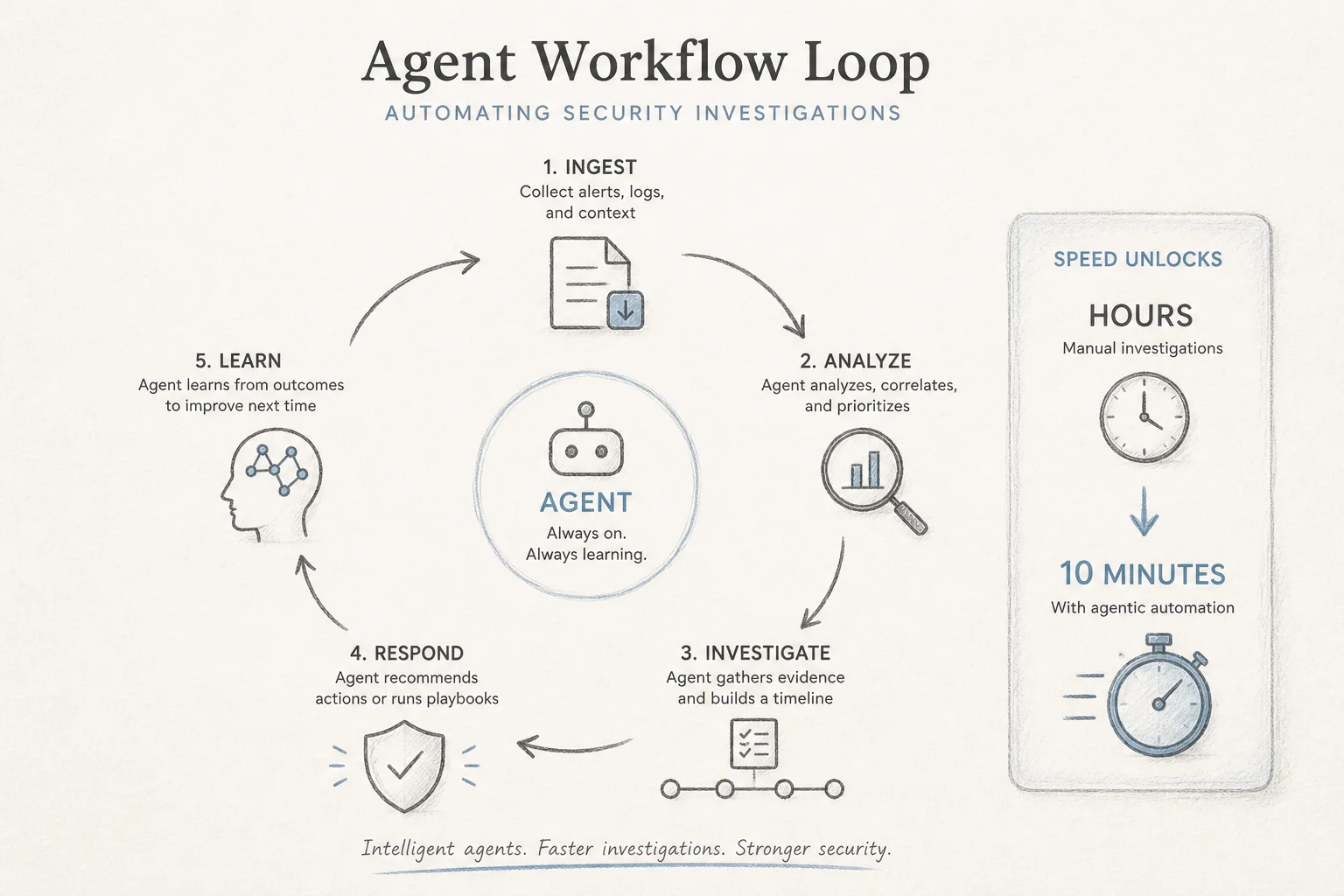
An OpenAI staffer quoted in the Rundown said the pace feels like "genuinely cheating at my job." Another said security investigations dropped from hours to 10 minutes. I believe both, because those are exactly the workflows where token throughput compounds:
- Multi-step agent loops that re-read files and retry patches
- Batch evals you rerun after every prompt change
- Live triage where an analyst waits on the model between queries
In client work I see the same pattern on voice stacks. Users tolerate a slightly dumber model more easily than a three-second gap mid-sentence. API agents have the same psychology, just hidden behind dashboards.
What I would test before celebrating
Ultrafast is preview-only. That matters for production planning.
Price is the big unknown. Cerebras capacity is not free. Until OpenAI publishes $/million tokens (or $/task), you cannot model margin. My default assumption: speed tiers carry a premium, and the win is cost per completed task, not raw $/token.
Invite-only access means you cannot architect around it today unless you are in the preview. Treat it as a signal of where OpenAI wants API tiers to go, not a dependency you can hardcode.
Workload fit still matters. If your agent spends 90% of its time in tool calls, database queries, or human approvals, faster generation only fixes the remaining 10%. Profile before you optimize.
How this connects to agent design
Faster inference changes harness decisions:
| Design choice | Slow frontier | Ultrafast-class throughput |
|---|---|---|
| Retry policy | Fewer retries, bigger prompts upfront | More iterative refine loops |
| Context strategy | Aggressive summarization to cut tokens | Re-read full files more often |
| Parallelism | Serialize to control cost | Fan out sub-agents with less guilt |
| Human-in-the-loop | Batch questions | Closer to interactive pair programming |
I have written before about routing workhorse models for agent loops. Ultrafast does not replace routing. It raises the ceiling on what "frontier" can mean in a tight loop without automatically making it cheap.
The Cerebras angle
Cerebras sells wafer-scale engines built for inference throughput, not the generic GPU clusters most labs rent by the hour. OpenAI betting a public tier on that hardware is a statement: latency is a product feature, not just a datacenter detail.
For applied engineers, the practical takeaway is simpler. When vendors ship speed tiers, rerun your eval harness with wall-clock time as a first-class metric alongside accuracy. The best model on a leaderboard is not always the best model for a 40-step agent run at 2 a.m.
What I am watching next
Three things would make this story production-relevant for my clients:
- Public pricing for Ultrafast vs standard Sol
- Rate limits and batch behavior under sustained agent load
- Whether speed tiers spread to other models (smaller Sol variants, tool-calling modes)
Until then, I am treating Ultrafast as a preview of how frontier APIs will segment: intelligence, speed, and cost as separate dials instead of one bundled tier.
If you are building agents where latency shows up in user trust or analyst throughput, it is worth requesting preview access and running your own task-time benchmark. The HLE numbers are a headline. Your CRM sync or security playbook is the truth.
Building agent workflows where latency and cost both matter? Book a free discovery call and we can map where inference speed actually moves your numbers.