
Maintainers of popular open-source projects rarely get thanked in dollars. They get issue queues, security advisories, and a Slack ping at 11pm.
Anthropic's Claude for Open Source program is one of the few corporate offers that maps to how maintainers actually work: long agent sessions across big repos, triage at scale, and refactoring loops that eat through rate limits on consumer plans.
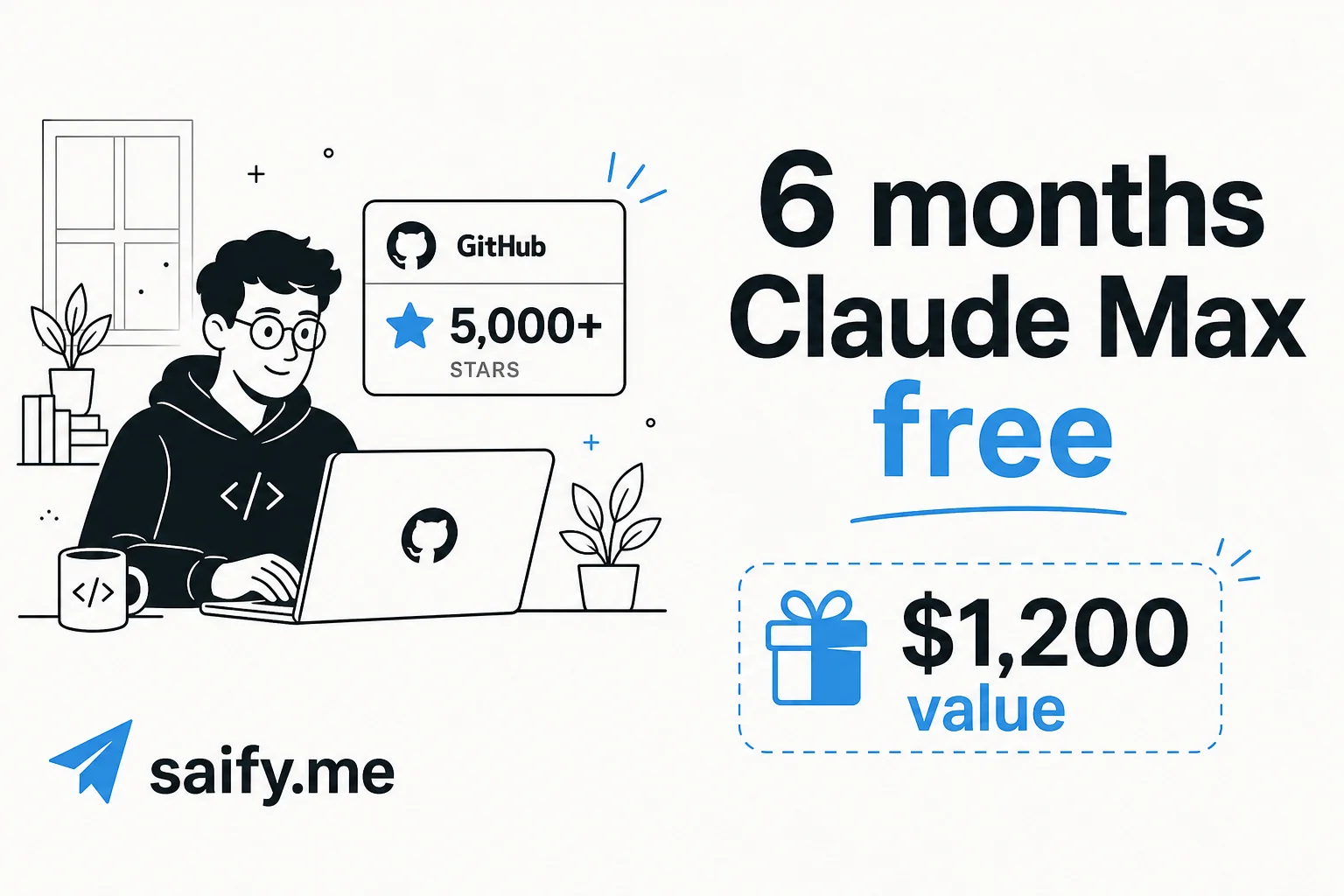
The headline number: six months of Claude Max 20x, normally $200/month ($1,200 total value).
What Max 20x buys you in practice
Consumer Claude plans hit walls. Mid-afternoon slowdowns. Session caps. Waiting during peak hours.
Max 20x is Anthropic's "stop rationing prompts" tier. For maintainers, the useful parts cluster into four buckets:
| Benefit | Why maintainers care |
|---|---|
| ~20x Pro usage | Full-day agent loops without artificial throttling |
| Priority peak access | Security releases do not wait for off-peak |
| Claude Code in terminal | Same agent surface as paid dev workflows |
| ~900 messages / session window | Large-repo refactors without constant restarts |
This is not API access. If your project needs production inference, budget separately. The program targets human maintainer velocity, not your CI bill.
Apply at Claude for Open Source.
Eligibility: the bar is high but fair
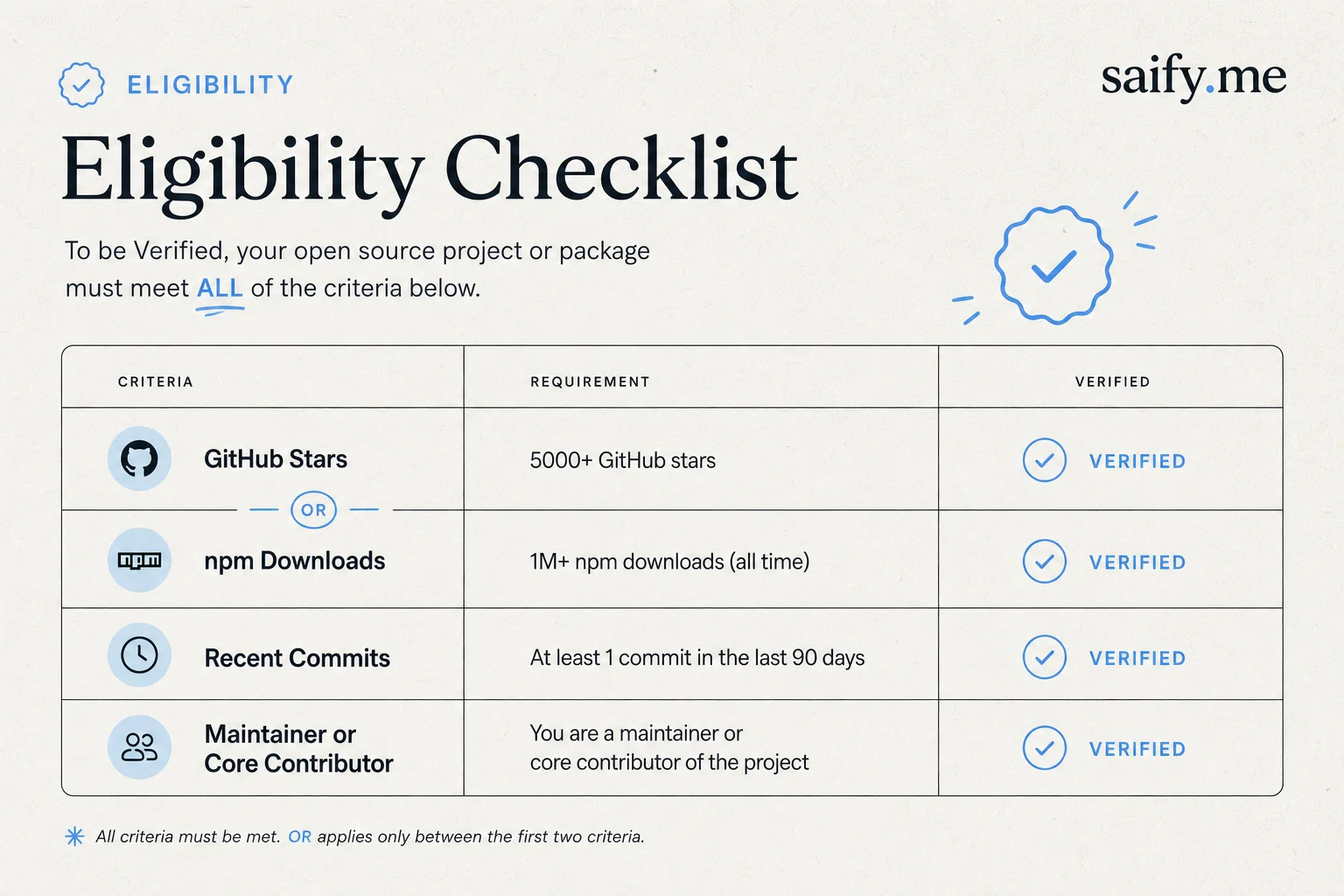
Anthropic set thresholds that filter hobby repos without punishing critical small packages:
- 5,000+ GitHub stars, or
- 1M+ monthly npm downloads
Plus recent commits or PR activity so the grant lands on living projects.
Eligible people:
- Maintainers and core contributors
- Anyone keeping a critical package alive
If you maintain a sub-dependency everyone installs but nobody stars, the npm download path matters. If you run a visible framework, the GitHub star path is simpler.
What I would use six months of Max for
If I were on a qualifying OSS team tomorrow, I would not burn the grant on generic chat. I would aim it at work that compounds:
- Agentic refactoring loops across large monorepos (typed migrations, test fixes, docs sync).
- Issue triage at scale with Extended Thinking on nasty reproducers.
- Security response sprints where speed beats perfect prompt craft.
- Contributor onboarding docs generated from real code paths, then human-edited.
That lines up with how I already use Claude Code in client repos: the win is throughput on boring correctness, not brainstorming feature names.
What the program does not cover
Read the fine print before you plan your roadmap:
| Included | Not included |
|---|---|
| Claude Max 20x product | Anthropic API credits |
| Claude Code terminal access | Team/Enterprise admin features |
| Priority consumer access | Guaranteed zero data retention (check your plan terms) |
If your project needs automated bots replying on GitHub 24/7, you still need API keys and a budget. This grant is for maintainer hands on keyboard.
How this fits the wider OSS support landscape
Google, Microsoft, and GitHub have shipped credits and tooling for open source for years. Anthropic's angle is narrower and more aligned with how maintainers work in 2026: agent sessions, not just chat completions.
It also pairs with Anthropic's push on agent products (Managed Agents, Cowork background tasks). Maintainers who learn those surfaces on Max become power users who file better bugs and write sharper integration docs.
That is good for the ecosystem even if you never pay for API inference.
Should you apply?
Apply if:
- You hit the star or download threshold
- You actively ship fixes and reviews
- You will use Claude Code for real maintenance, not occasional questions
Skip or wait if:
- Your project is archived or in maintenance-only mode with no releases
- You need API grants for production services (this is not that)
- You cannot accept consumer product terms for your org (some foundations require enterprise agreements)
Bottom line
Six months of Max is not charity theater. It is Anthropic buying mindshare among the people who shape how Claude gets wired into the open-source long tail.
If you qualify, treat the grant like a sponsored sprint: triage, refactor, document, ship. Then decide whether paid tiers earn their keep after the six months end.
If you run an OSS-adjacent product team and want help designing agent workflows that respect maintainer time, book a free discovery call.