
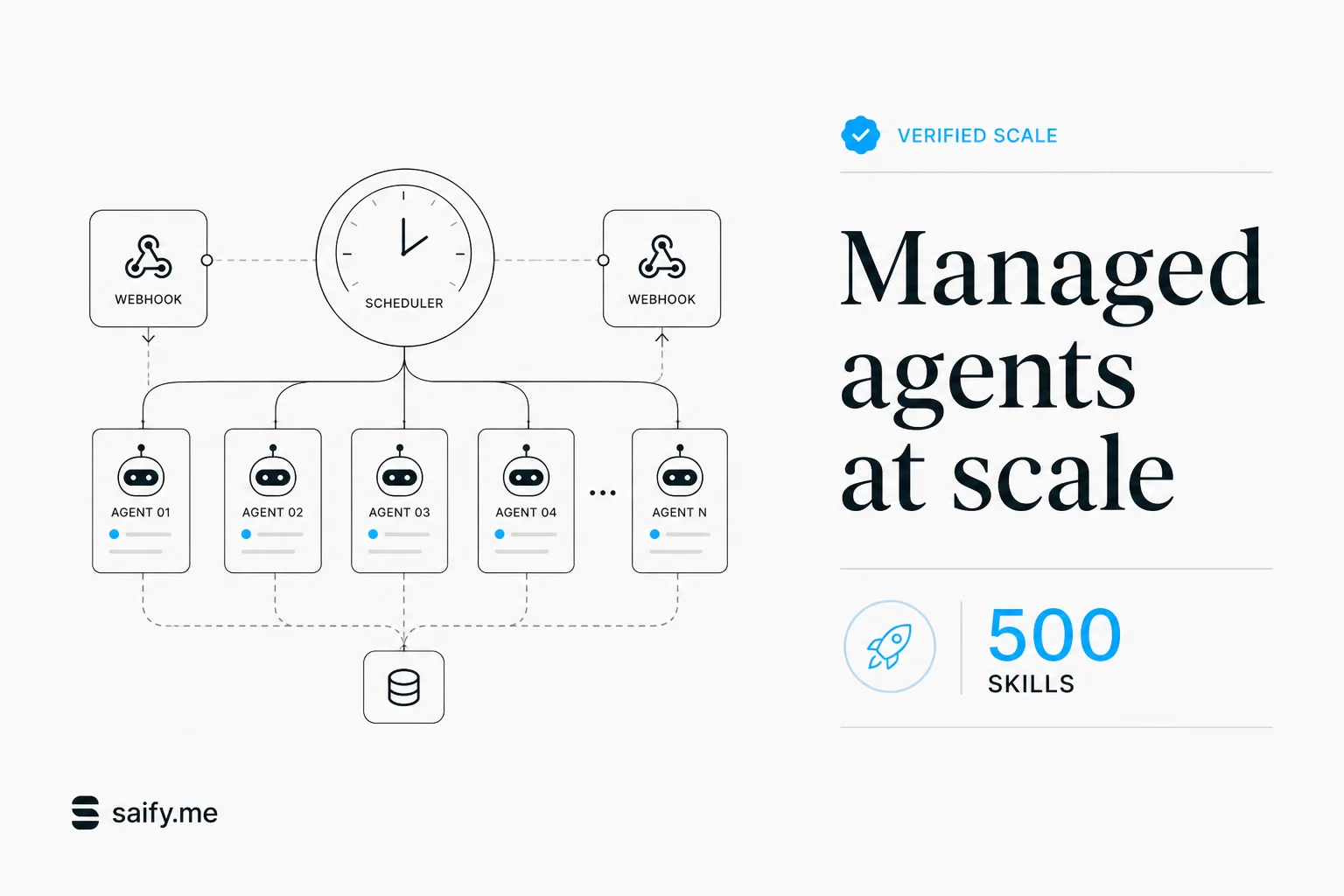
Building one clever agent is easy. Running a fleet without polling loops, cold starts, and runaway token spend is the hard part.
Anthropic's July 22, 2026 platform drop tightens Claude Managed Agents for production fleets:
- Effort pinned on each agent's model config (per-role cost control)
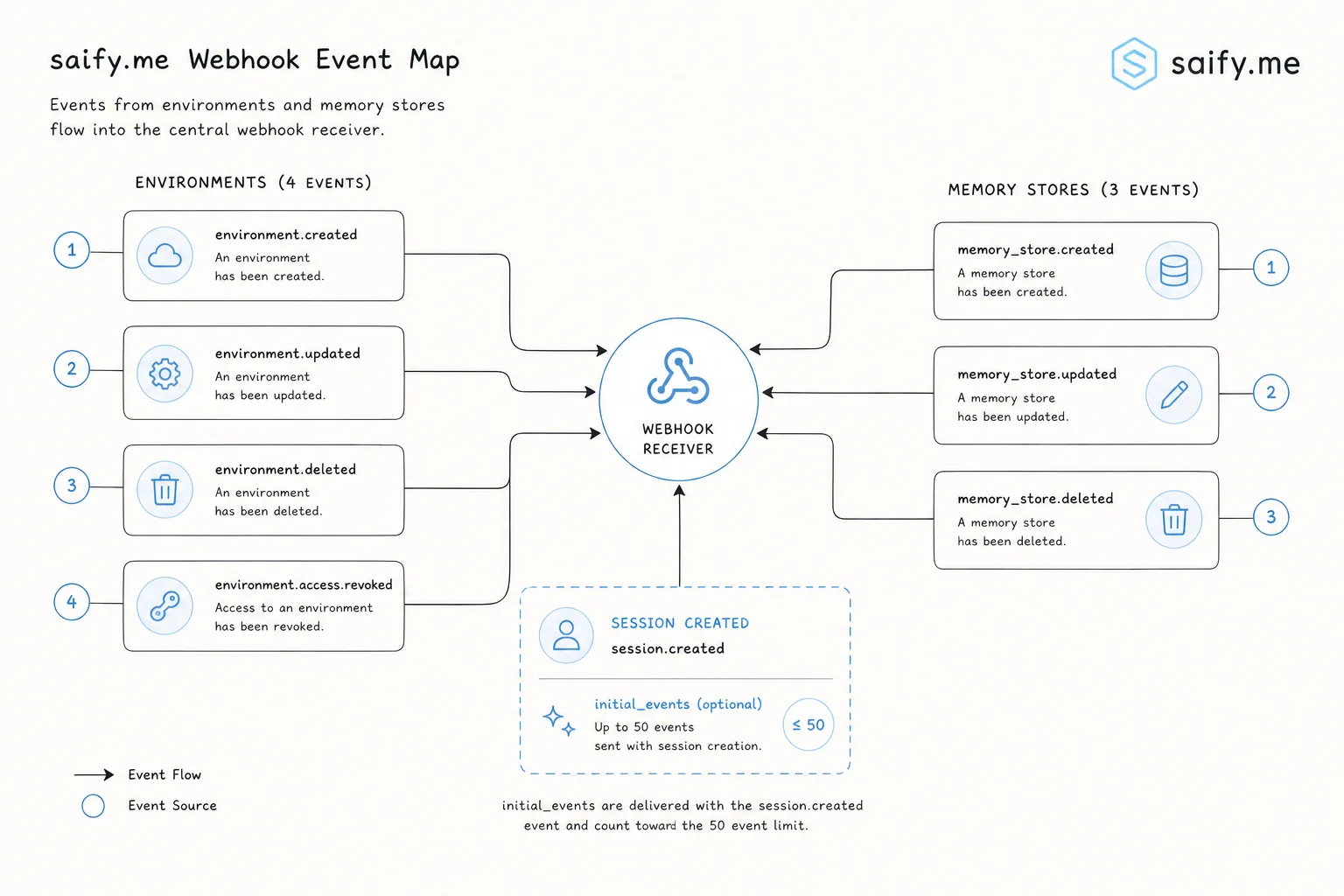
initial_eventsup to 50 on session create (one call, no cold start)- Webhooks for environments and memory stores (seven new lifecycle events)
- Sub-agent thread streaming with event previews
- 500 skills per session across all agents (raised earlier, still the ceiling)
If you already read my write-up on scheduled deployments and vaults, this is the same platform maturing: less DIY scheduler code, more fleet primitives.
Effort as a per-agent cost dial
Before this release, tuning reasoning depth per role was awkward. Now set effort inside the agent's model object at create time:
{
  "model": {
    "id": "claude-opus-5",
    "effort": "high"
  }
}
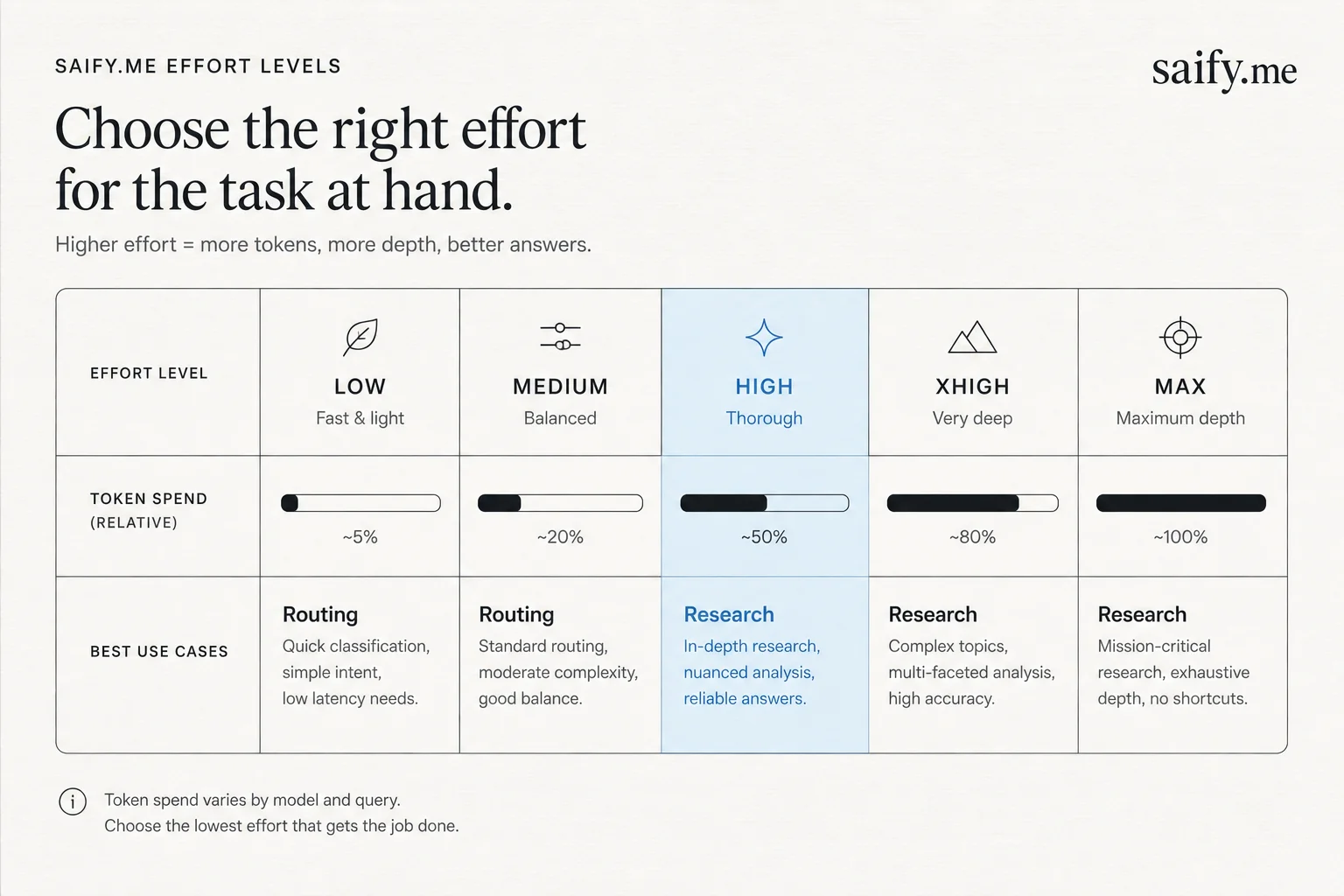
Accepted levels: low, medium, high (default), xhigh, max. Not every model accepts every level. Invalid combinations fail at create time.
| Level | Typical fleet role |
|---|---|
low | Routing, formatting, triage |
medium | Standard ops tasks |
high | Default depth for most agents |
xhigh / max | Research, standards alignment, security review |
Critical detail from the docs: effort inside a per-session model override is not applied. If you override model on a session, you get the target model's default effort. Pin effort on the agent definition and skip session-level model overrides when depth matters.
In multi-agent teams, that lets you run a researcher at high and a formatter at low without two billing profiles.
See agent setup docs and effort levels for model-specific support.
Seed sessions with up to 50 events
Creating a session used to be two steps: POST /v1/sessions, then post the first user.message. Now pass initial_events on create:
- Up to 50
user.messageoruser.define_outcomeevents - Processed in order
- All-or-nothing validation (one bad event fails the whole create)
- Non-empty list starts the agent loop immediately
That removes cold-start latency and a round trip from every integration. The curriculum team cookbook shows seeding the first message at create so the session returns already running.
Beta header remains managed-agents-2026-04-01 for deployments and sessions APIs.
Webhooks: retire the polling loops
Managed Agents already webhook agent and deployment lifecycle. July added:
| Category | New webhook coverage |
|---|---|
| Environments | Four lifecycle event types |
| Memory stores | Three lifecycle event types |
Subscribe from your Anthropic account console. Wire these to your orchestrator so environment provisioning and memory store changes trigger downstream jobs without GET /v1/sessions polling.
Caveat for integrators: webhooks are convenient, not magically durable. Treat delivery as at-least-once. Reconcile state with the API on startup. The Agentpedia migration notes stress that deltas and webhooks do not remove the need for idempotent handlers.
Skills at 500 per session (context, not a July headline)
Digest roundups bundled "500 skills" into this release. The limit is real and generous: 500 skills total per session, counted across every agent in that session. Anthropic documents it on the Skills page. The July changelog focused on effort, webhooks, and initial_events, not a new skills cap.
Practical meaning: you can load a serious enterprise playbook (compliance runbooks, product specs, CLI recipes) into one managed sandbox without splitting sessions. Budget skills like compute. Not every agent needs every skill.
Sub-agent streaming at thread level
Multi-agent sessions now stream sub-agent events at thread granularity, with short previews before the full buffered message arrives. Use the SDK's accumulate_managed_agents_event helper per stream connection.
That matters when you operate fleets: you see which child agent stalled, which tool loop spun, and which role burned budget before the parent session finishes.
Fleet checklist I use with clients
| Question | July 2026 answer |
|---|---|
| Need different reasoning depth per role? | Set model.effort on each agent |
| Need one API call to start work? | initial_events up to 50 |
| Tired of polling env or memory state? | New webhooks |
| Need large skill libraries in one sandbox? | 500 skills/session shared pool |
| Need cron without self-hosting? | Scheduled deployments (see earlier post) |
| Need CLI auth without prompt leaks? | Vault env vars |
What I would ship first
Pick one recurring fleet job, not a demo:
- Create agents with explicit effort (low for triage, high for analysis).
- Seed the first user message via
initial_eventson session create. - Register webhooks to your existing incident or ops bus.
- Trigger a manual deployment run before enabling cron.
Agents that run while you sleep only help if someone reviews artifacts on a human schedule too. Effort controls and webhooks remove infra glue. They do not remove accountability.
If you are designing Managed Agent fleets with vaults, schedules, and webhook-driven orchestration, book a free discovery call. I spend most weeks on exactly this ops plumbing for applied AI clients.