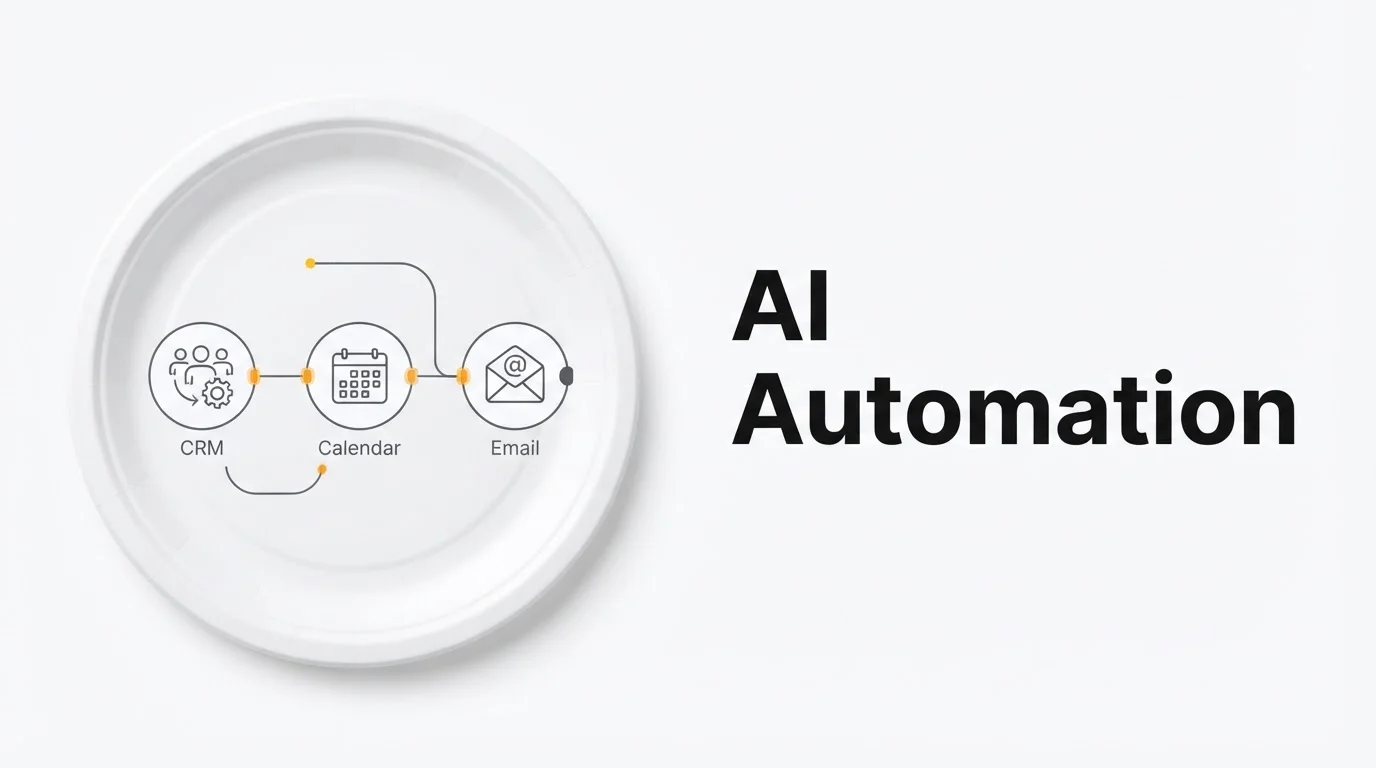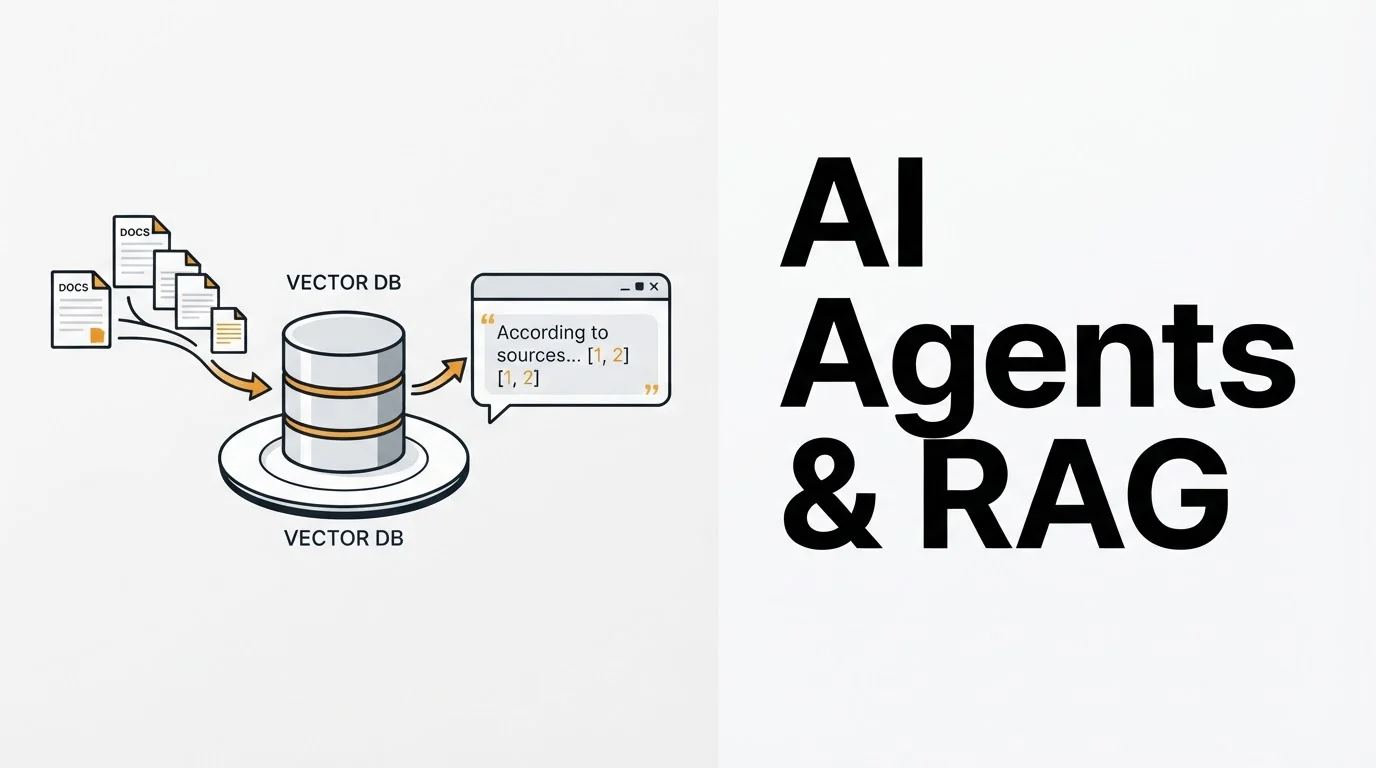
Most AI projects fail before a line of code: wrong use case, wrong stack, scope that melts in week three. Integration consulting is the discipline that prevents that. Audit the operation, pick the one bottleneck worth fixing first, decide the stack honestly, then put the scope in writing.
The problems it kills
- AI demos that never ship. We start from an operational bottleneck, not a model someone wants to try.
- Tool chaos. A clear answer on GHL versus custom, n8n versus Make, voice versus chat, written down with the reasoning.
- Surprise costs and sliding timelines. Fixed scope with named milestones before the build starts.
- Vendor lock. Your accounts, your repos, your data. You own everything at handover.
What you get
- Ops automation audit and systems inventory (also free and self-serve on the audit page)
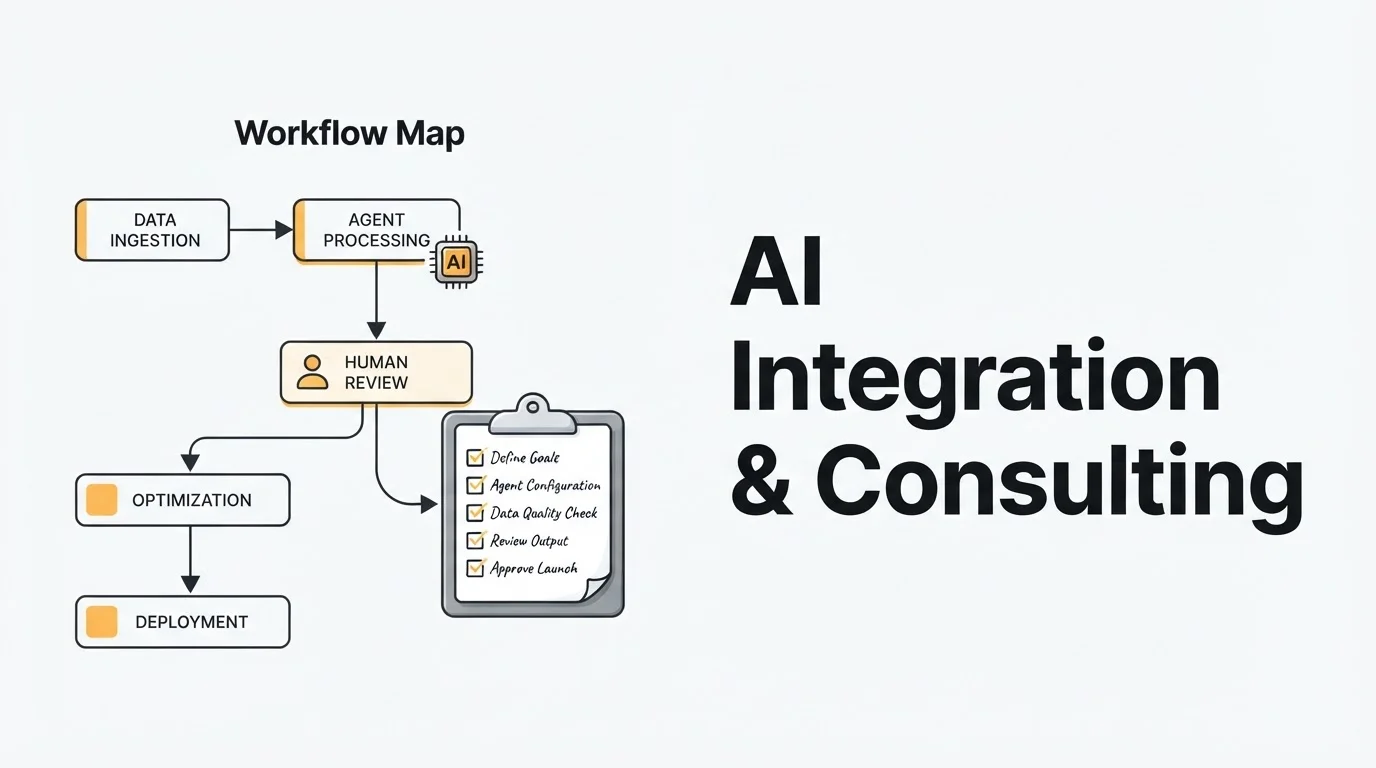
- Workflow map: which steps an agent owns, which stay human
- Stack decision document with the reasoning, not just the logos
- LLM integration into your existing CRM, ERP, and communication tools
- Written scope + fixed quote within 24–48 hours of discovery
- Build-in-milestones delivery and a handover your Tuesday operator can run
How it works
- Free discovery call. What your team does by hand, what tools you already pay for, where the handoffs break.
- Inventory and workflow map. Every step labelled agent-ready or human-owned.
- Stack decision + written scope. The recommendation and the fixed quote, in writing.
- Build in milestones, hand over. Working software from week one, docs at the end.
Where it leads
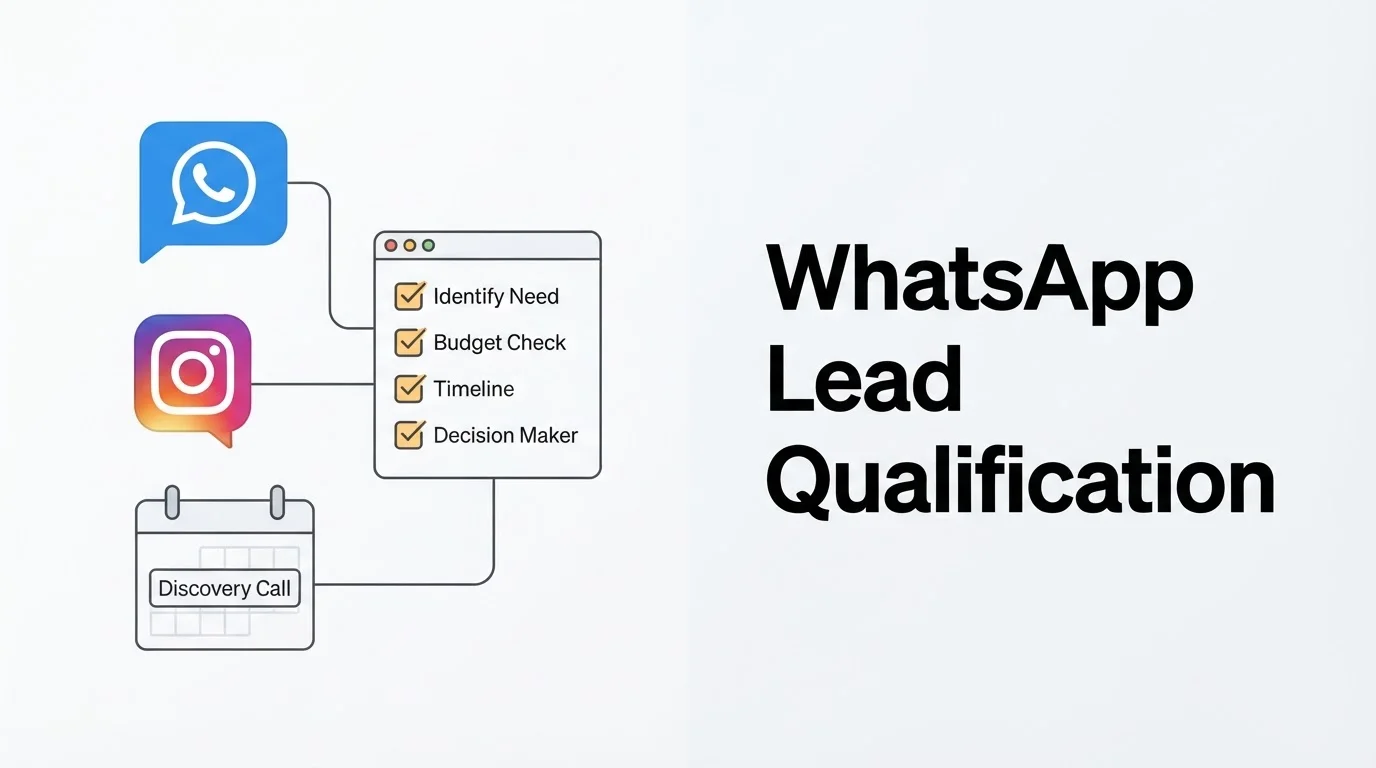
Consulting feeds directly into the build services: automation, agents and RAG, chatbots. Implementation reality: how long AI implementation actually takes and how to implement AI in 2026.