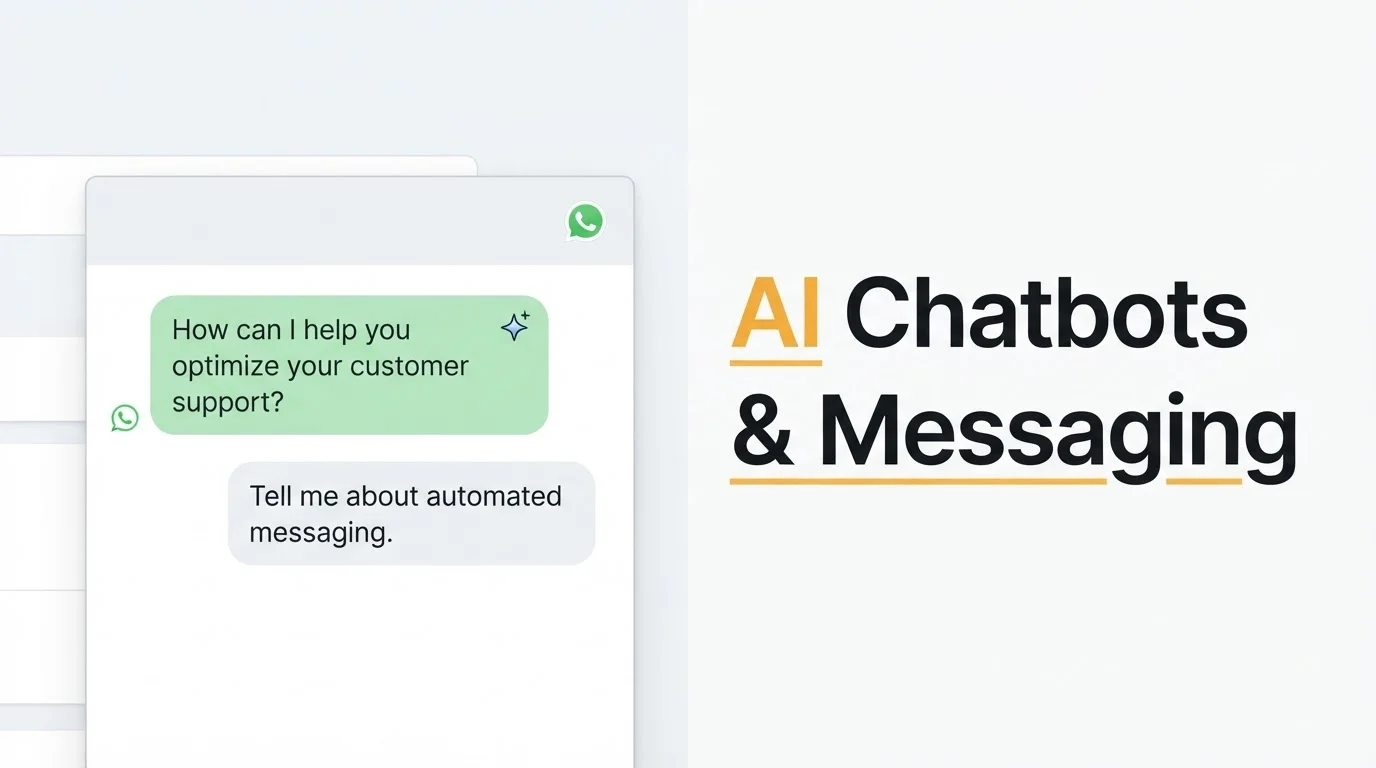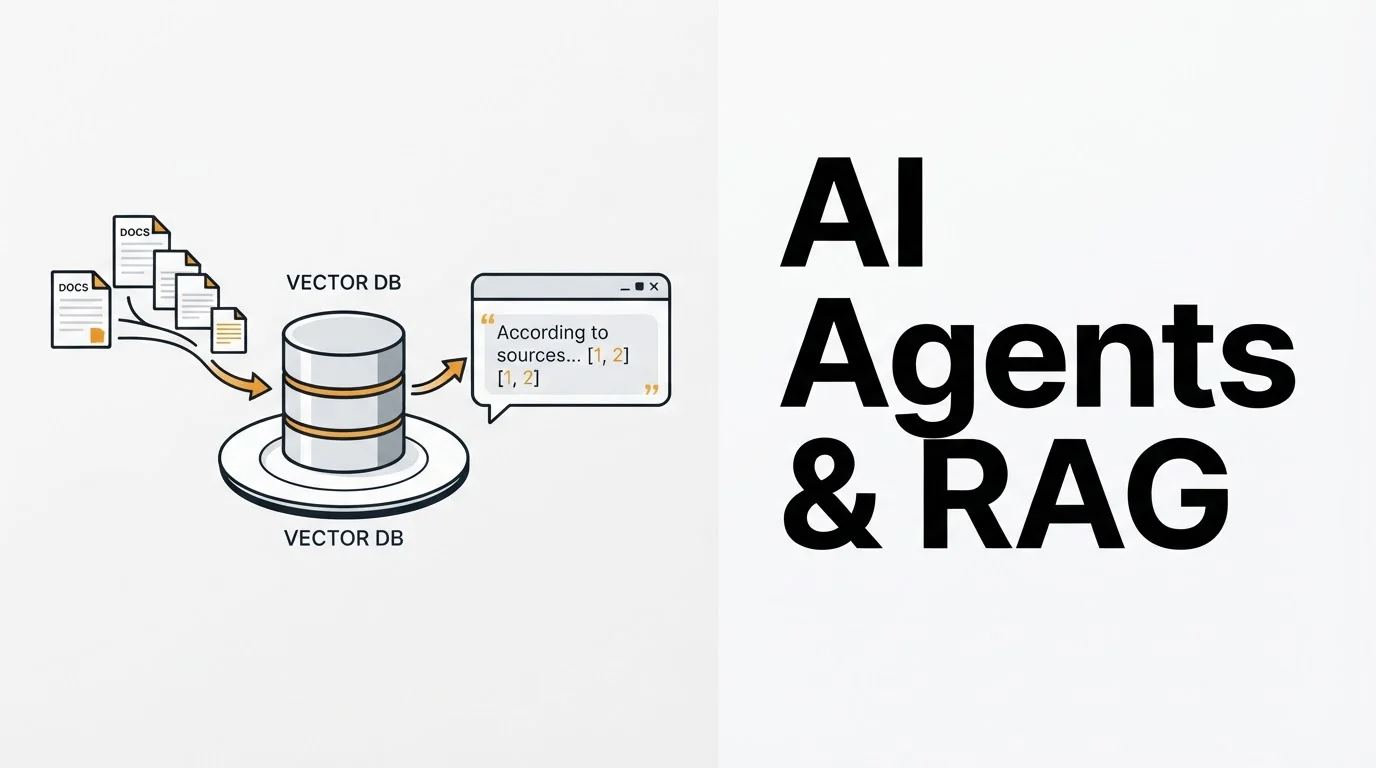
Chatbots answer questions. Agents get work done. Both fail the moment they guess. The fix is retrieval over your real documents plus a strict set of tools and rules, so the AI reads, reasons, and acts on your systems without inventing.
The problems it kills
- "Where is that SOP?" asked forty times a week. The team gets an assistant that answers from your docs with the source attached.
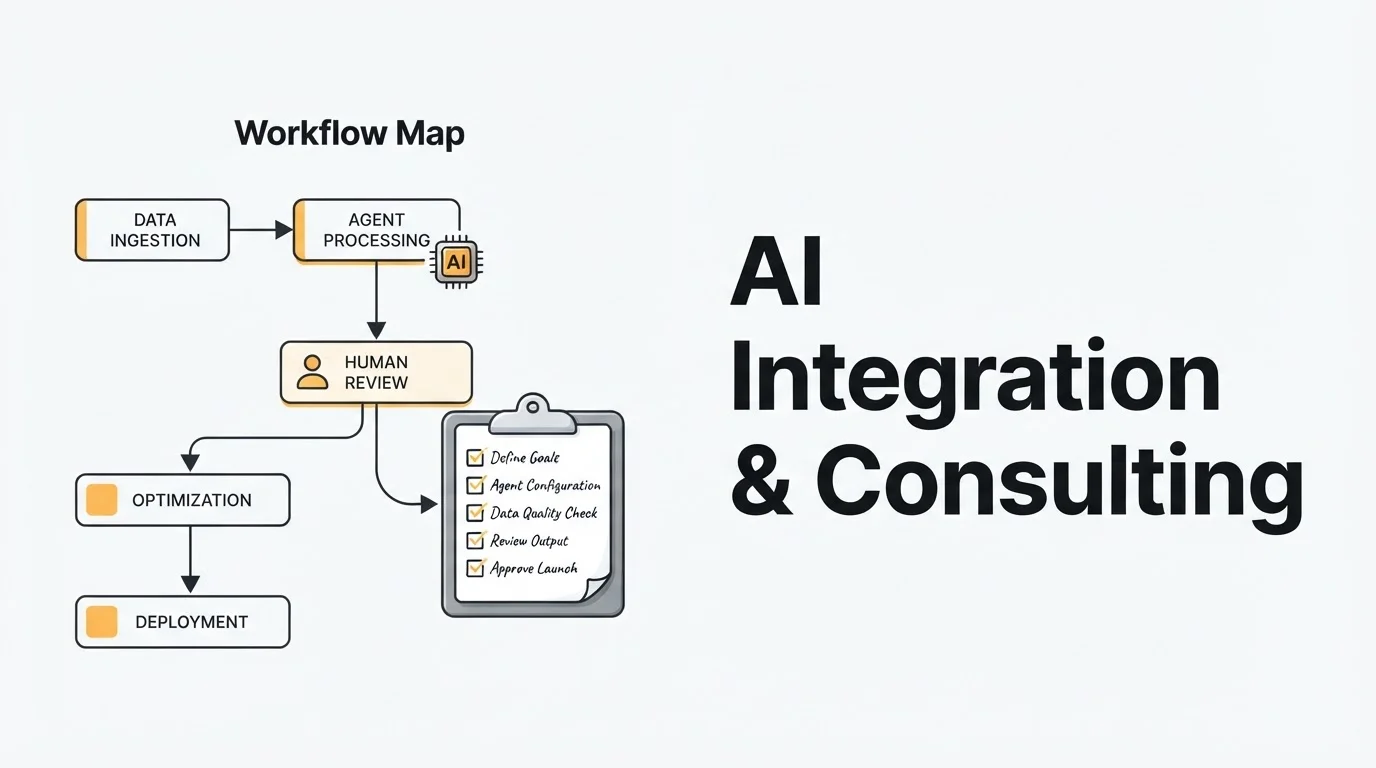
- Multi-step work done by hand. Look up the order, check the policy, draft the reply, update the CRM. An agent runs that chain; a human approves the sensitive step.
- Generic AI that hallucinates. Grounded answers only. If it is not in your documents, the system says so and escalates.
- Knowledge locked in one person's head. Capture it once; every new hire and every customer-facing bot benefits.
What you get
- RAG knowledge base over your SOPs, contracts, wiki, and help docs with citations
- Multi-step agents with tools: lookup, draft, update, notify, with human-in-the-loop where it matters
- Staff copilot (Slack/web) and customer-facing deployment from the same base
- Guardrails: retrieval-only answers, scoped tool access, full audit log
- Vector store on Qdrant or your stack; Mastra / LangGraph for the agent layer
How it works
- Inventory the knowledge. We list your sources, clean the junk, and define what the AI is allowed to say and do.
- Build the base. Chunking, indexing, retrieval tuned to your documents. Accuracy measured on your real questions.
- Add the tools. Read first (lookup, search), then write (update, draft) behind approval rules.
- Pilot with your team, then expand. Confidence thresholds and escalation tuned before it touches customers.
Pairs with
RAG is the brain behind a good chatbot and a safe voice agent. Plain-English explainer: What is RAG for business.