
The graduation-stage booing of AI tools made headlines this spring. A quieter signal from business schools tells a different story: students are not revolting against models. They are racing to meet employer expectations, and many feel underprepared to use AI without dulling their own thinking.
AI at Kogod: A Three-Year Student Research Report, published August 4, 2026, tracks how American University business students adopted generative AI from 2024 through early 2026. I read it because hiring managers keep asking me whether junior candidates can actually ship with agents, not just paste into ChatGPT.
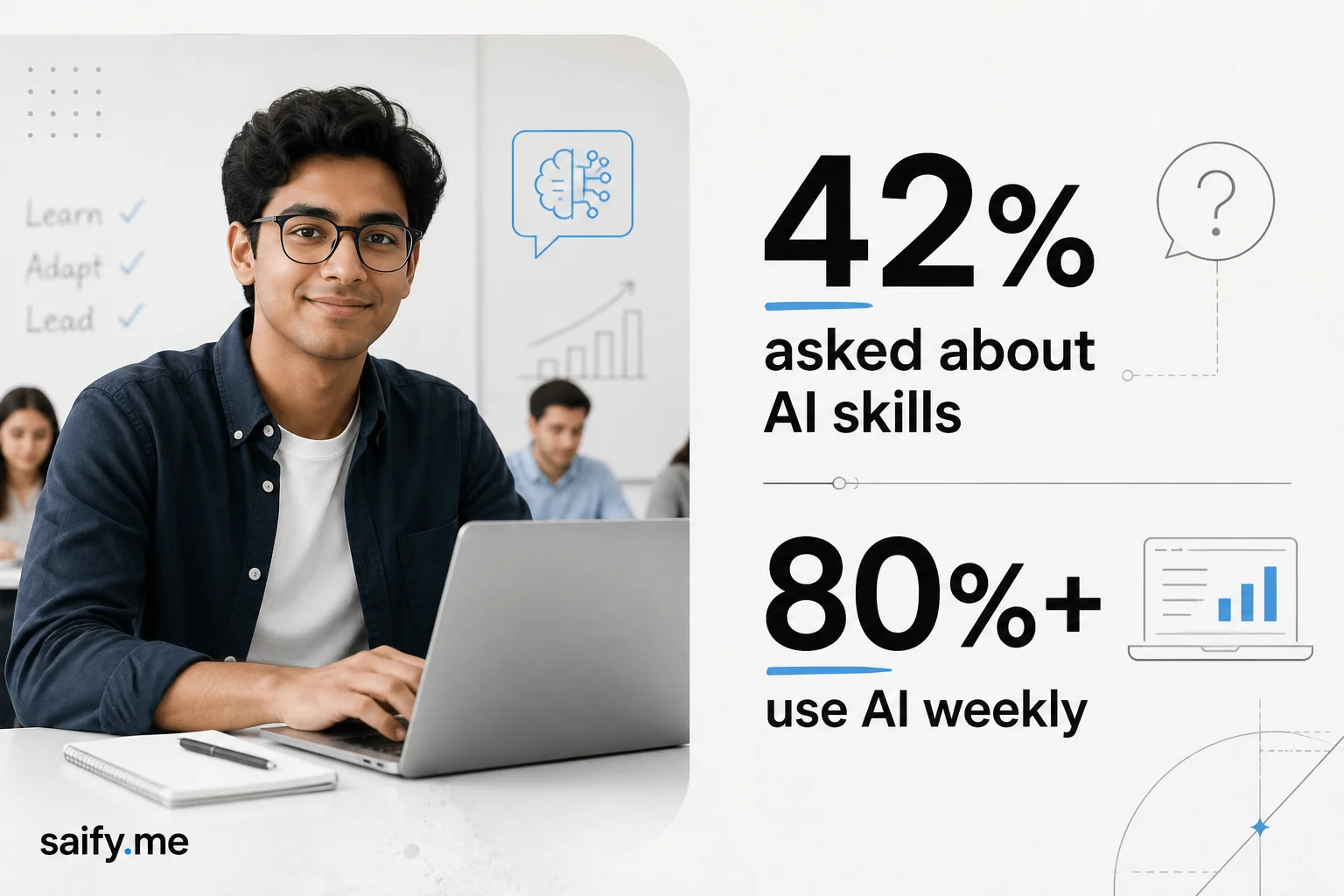
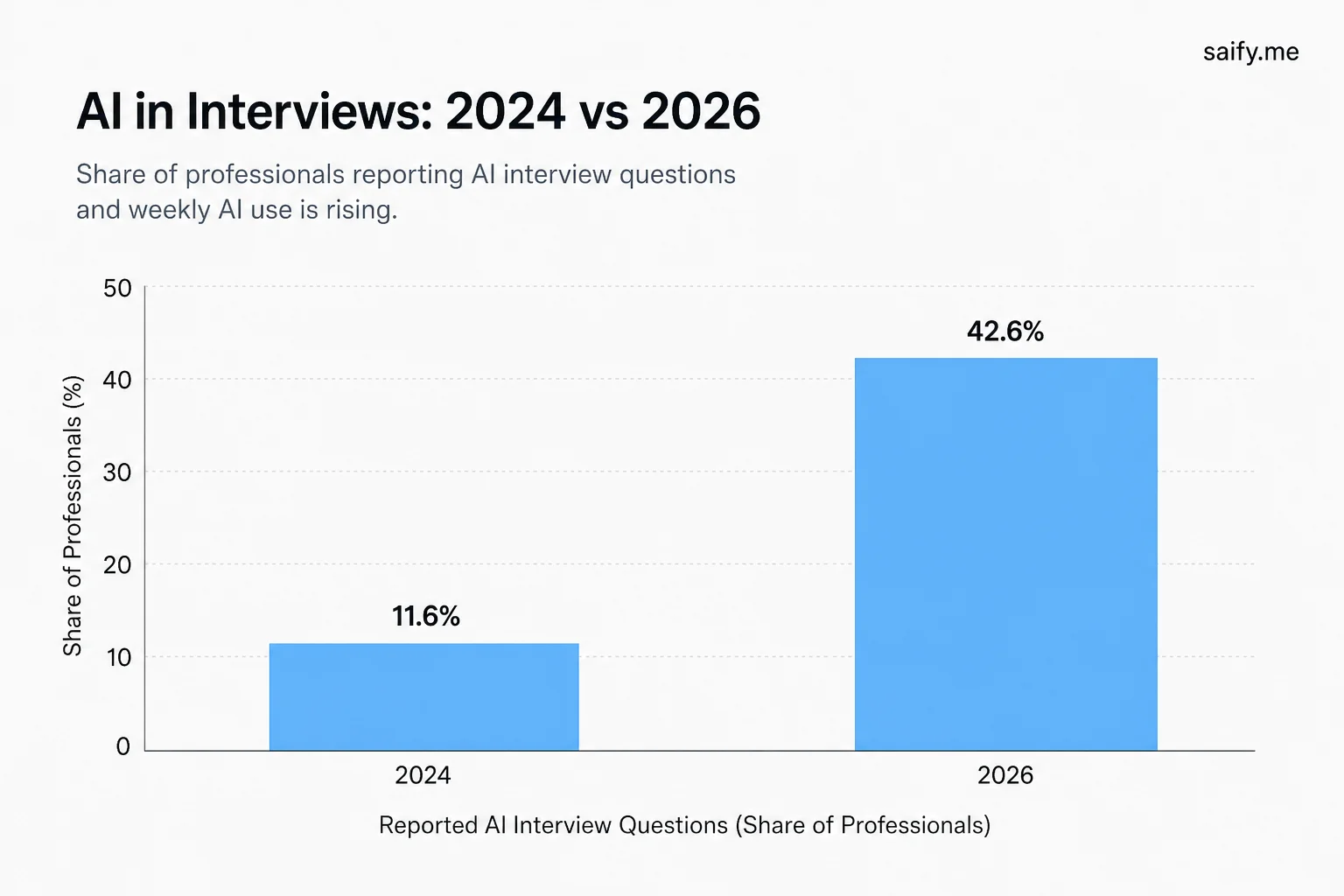
The headline number is familiar by now: more than 80% of surveyed students used AI for schoolwork in the prior six months. The sharper move is on the employer side. Interview questions about AI fluency jumped from 11.6% in 2024 to 42.6% in 2026. That is not "nice to have" territory anymore.
How the survey was run (and what to trust)
Christina Eid (BSBA '26) led the report with faculty mentors at Kogod. Data came from three anonymous waves:
| Year | Field dates | Platform |
|---|---|---|
| 2024 | Feb 15 to Mar 26 | Google Form |
| 2025 | Apr 10 to May 7 | Qualtrics |
| 2026 | Mar 29 to Apr 7 | Qualtrics |
Professors posted links during class across core and elective courses. 609 total responses were collected; 483 Kogod majors were used for most charts after filtering non-Kogod and undeclared students.
Limitations matter. This is one business school, self-reported, not a national census. Still, directionally it lines up with broader surveys: Inside Higher Ed reported 85% coursework use, and Gallup put weekly student AI use around 57%. The Kogod curve is steep enough that I would not dismiss it as a DC-only artifact.
Usage intensity moved fast
Frequency data is where the "routine tool" story shows up:
| Metric | 2024 | 2026 | Change |
|---|---|---|---|
| Students using AI 8+ times per week | 13% | 39% | ~3x |
| Students using AI 11+ times per week | 6.2% | 29% | ~367% |
| Students reporting zero weekly use | higher baseline | ~4.3% | ~75% drop |
Brainstorming stayed the top use case all three years (75.8%). Studying for exams (66.2%), summarizing (62.3%), and concept explanation (58.5%) followed. That pattern matches what I see in ops teams: models as thinking partners before models as autonomous workers.
Tool preference split by degree level. Undergrads favored ChatGPT. Grad students gravitated toward Claude. Perplexity ranked highly for research-style tasks across both groups.
Employers already price AI fluency into interviews
The employer question is blunt: "Were you asked about your ability to use AI during hiring?"
- 2024: 11.6%
- 2025: 32%
- 2026: 42.6%
Poets&Quants framed this as AI skills becoming "the price of entry." I would narrow that: generic chat use is the price of entry. Candidates who can wire agents into spreadsheets, CRM exports, or due diligence workflows still stand out.
Kogod interim leadership echoed the training gap. Dean David Marchick and university president David Marchick both stressed that graduates need ethical, strategic AI use, not just access to a browser tab.
The worry students admit out loud
Students are not naive. The top concern in the report is cognitive devaluation: using AI to skip thinking rather than extend it. 43.5% admitted shortcut behavior at least sometimes.
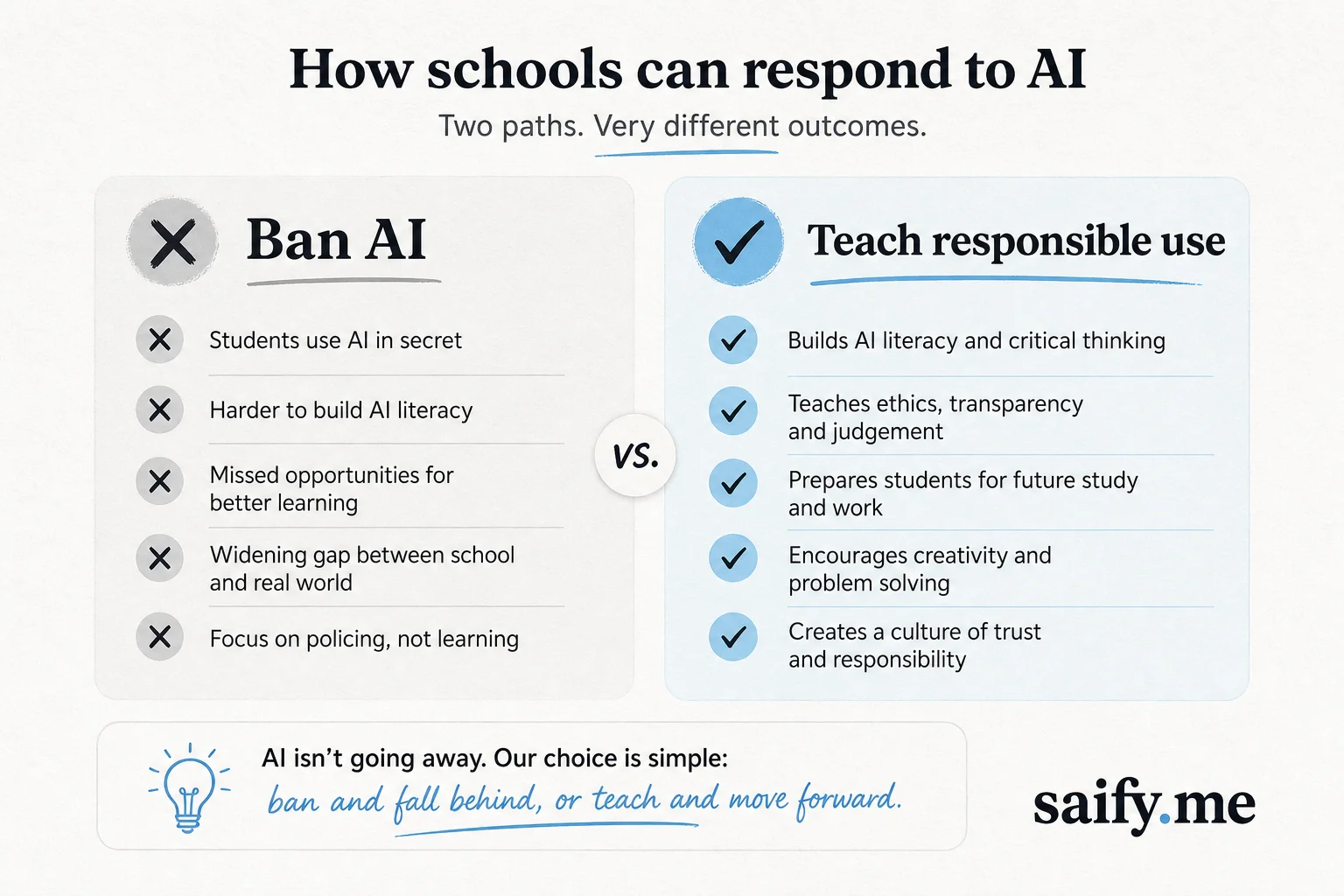
That tension shows up in classrooms that moved from bans to guided use. Professors now grade how students improve model output, not whether they touched a model at all. Academic integrity rules are shifting from "never" to "show your process."
If you hire from business programs, assume candidates have used models. Do not assume they know how to:
- Cite and verify model output on client-facing work
- Scope permissions when connecting tools to live data
- Document prompts and decisions for audit trails in regulated industries
Those three gaps show up in discovery calls more often than "they never opened ChatGPT."
What universities should teach (and what employers should test)
Students want structured training, not moral panic or green lights. The report's practical implication for schools:
| Teach | Skip |
|---|---|
| Prompting for analysis, not just generation | Tool bans that students ignore anyway |
| Data hygiene before uploading client docs | Treating all AI use as cheating |
| Workflow design (draft, review, sign-off) | Assuming one vendor chat UI is enough |
For employers, interview loops should move beyond "Do you use ChatGPT?" Try:
- Walk me through a task where AI saved you time and where you rejected its output.
- How do you handle confidential data with external models?
- What would you automate next in your first 90 days?
Why this matters for applied AI hiring
I onboard junior analysts and engineers onto client agent stacks. The Kogod data matches what I see: usage is default, judgment is scarce.
The graduation protests were real. So is the labor market pull. Students are optimizing for jobs that already expect model fluency. Schools that only lecture about risks without teaching workflow design will keep producing candidates who know AI exists but cannot ship responsibly.
If you are building hiring rubrics or university partnerships, book a free discovery call. I spend a lot of time translating "we use AI" on resumes into workflows that survive compliance review.