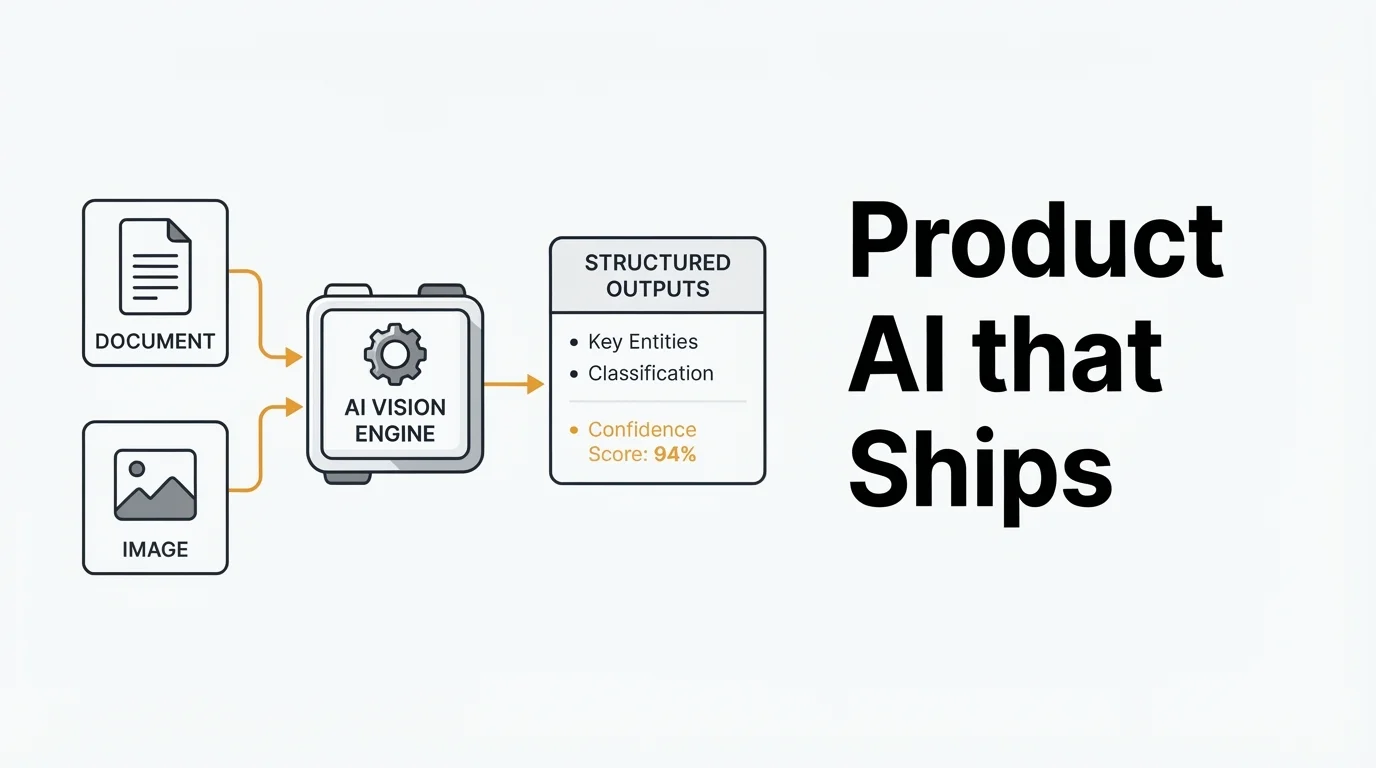
Some AI work is not a receptionist or a WhatsApp bot. It is a scoring model in your CRM, a vision pass over labels and documents, or a private feature inside your product that has to be right more often than it is wrong. That is what this service is for.
The problems it kills
- Chatbot-shaped answers for non-chat jobs. Extraction, ranking, and vision need structured pipelines, not a free-form reply box.
- Demo notebooks that never ship. You get an API, evals, and wiring into the system your team already runs.
- Silent quality drift. Changes get measured on your examples before they go live.
- Vendor black boxes. You own the prompts, evals, and integration code in your accounts.
What you get
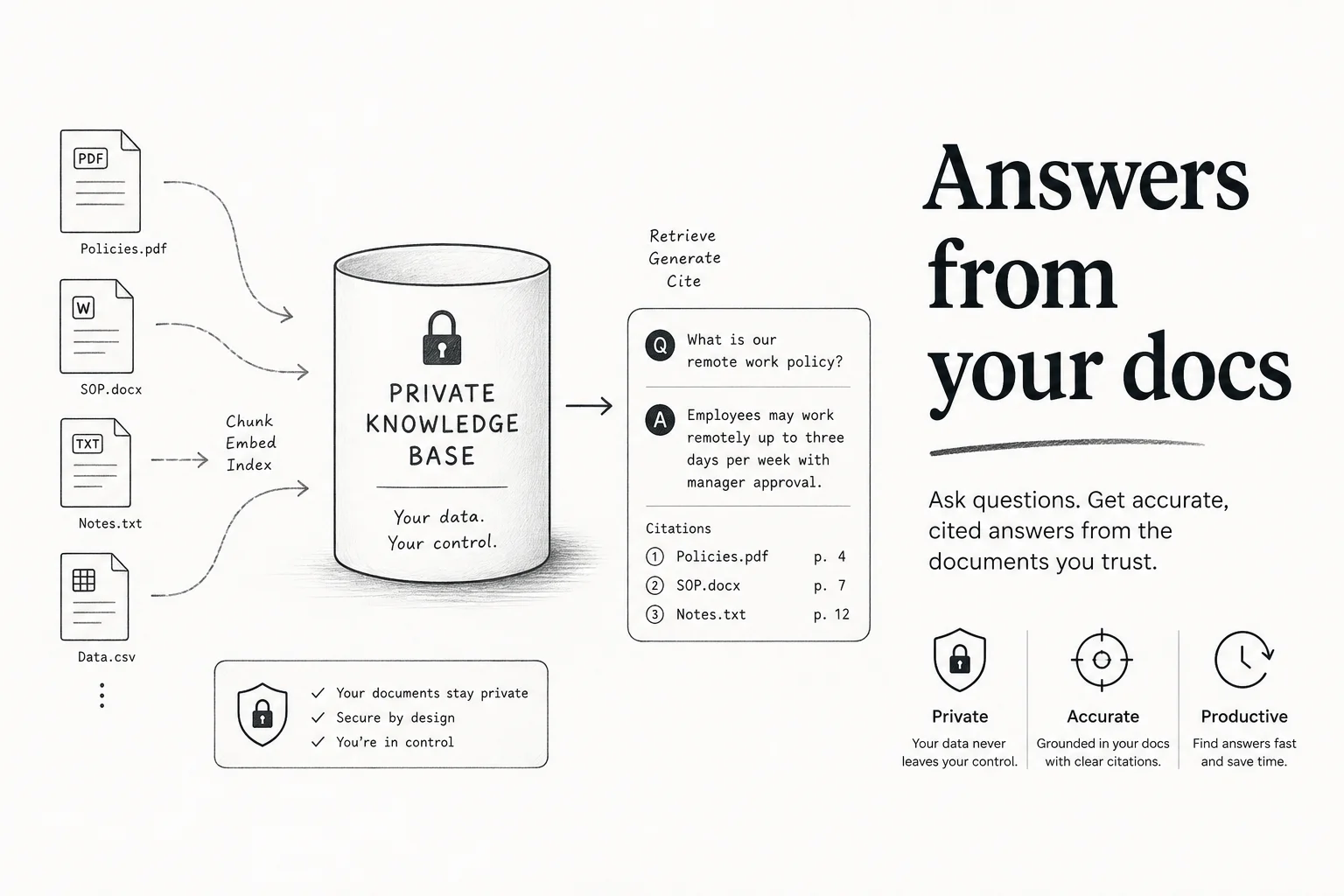
- Product AI features: lead scoring, triage, classification, summarization with citations
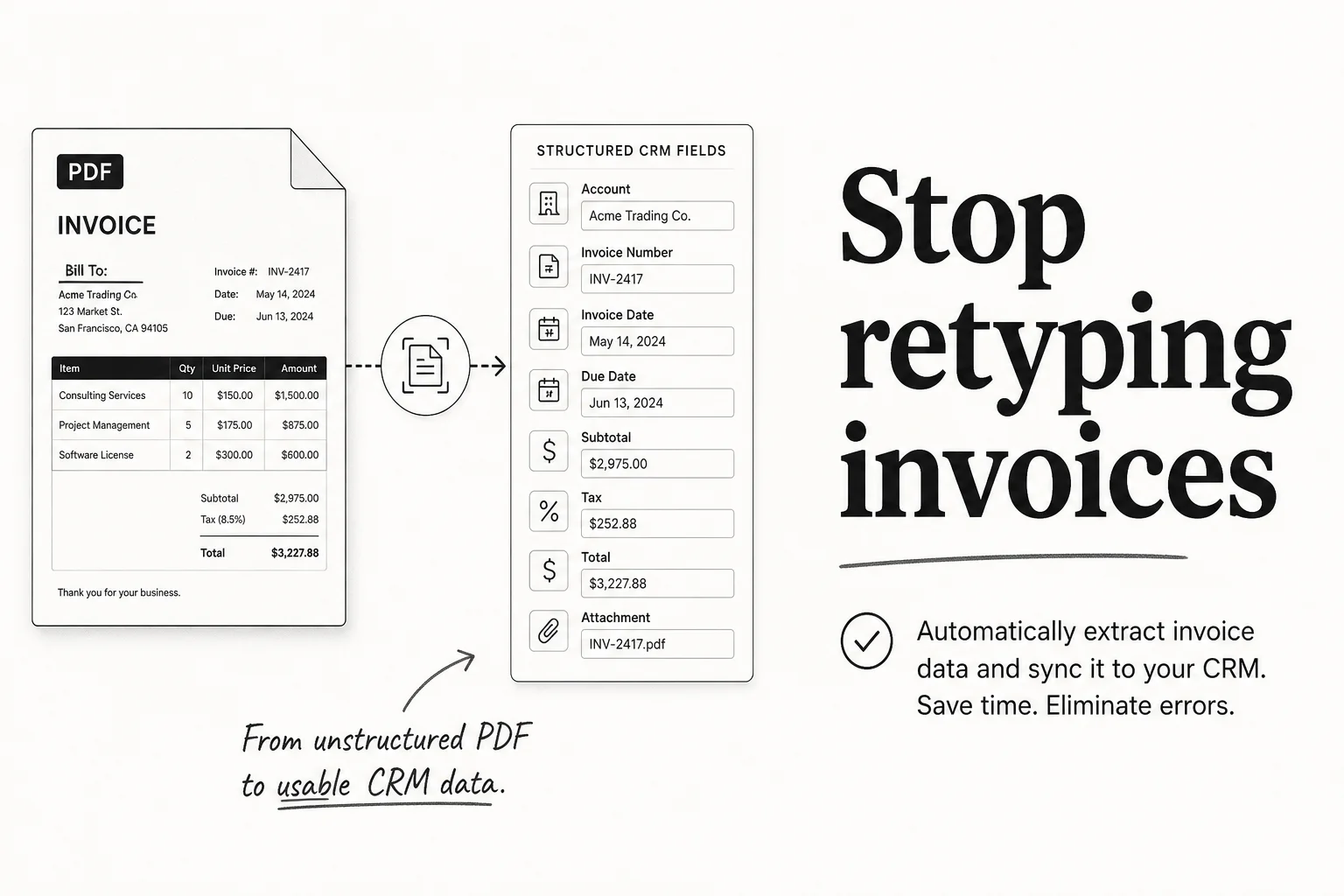
- Document and image pipelines (OCR + vision) for labels, invoices, forms, and inventory-style use cases
- Structured outputs and tool calls into your APIs
- Evaluation harness on your real samples, with a written quality bar
- Optional edge or on-prem constraints when data cannot leave your network
- Handover: code, runbook, and how to re-run evals after a model swap
How it works
- Define the job and the fail cost. Wrong answer tolerance decides human-in-the-loop vs fully automatic.
- Baseline on your data. A small labeled set beats a pretty demo.
- Ship behind an API. Integrated into your app or ops stack, with logging.
- Hand over with evals. Your team can tell if a future change made things worse.
Where it sits
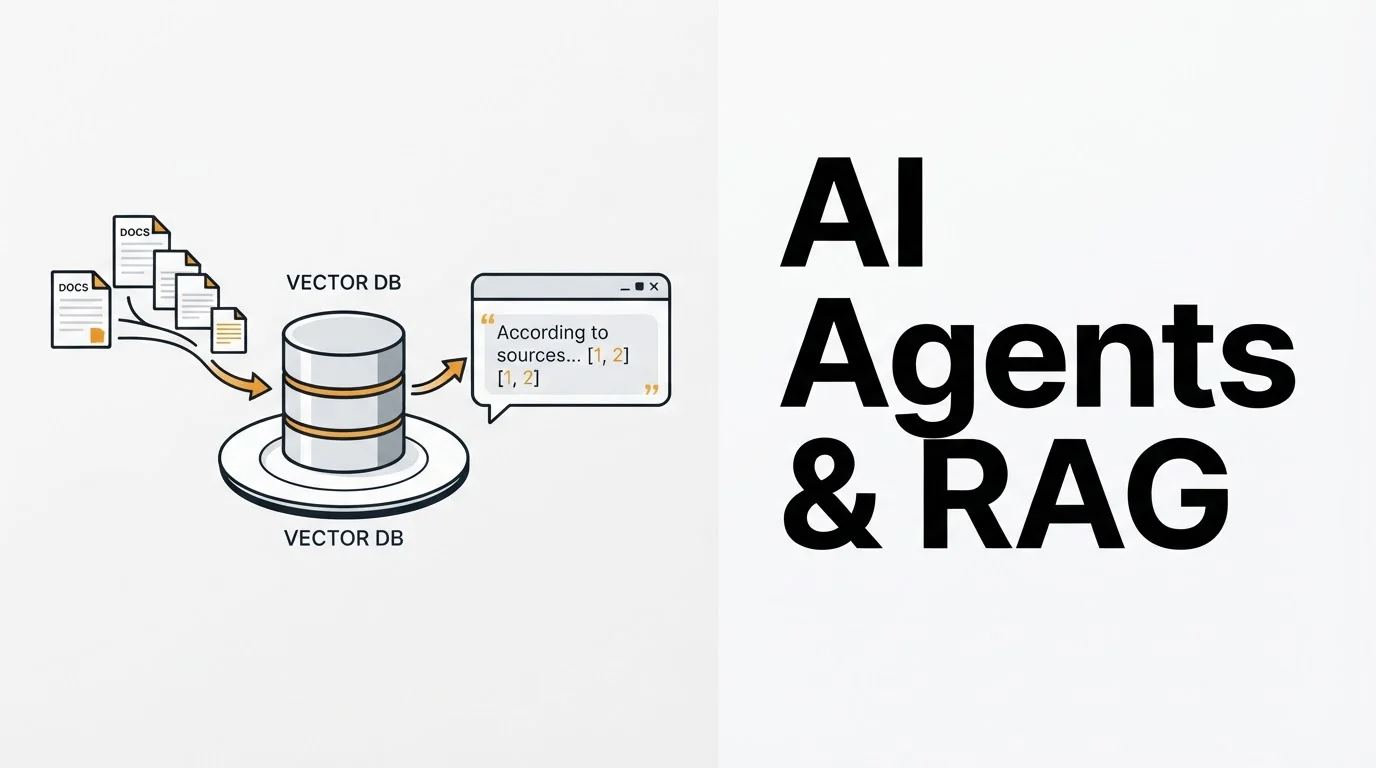
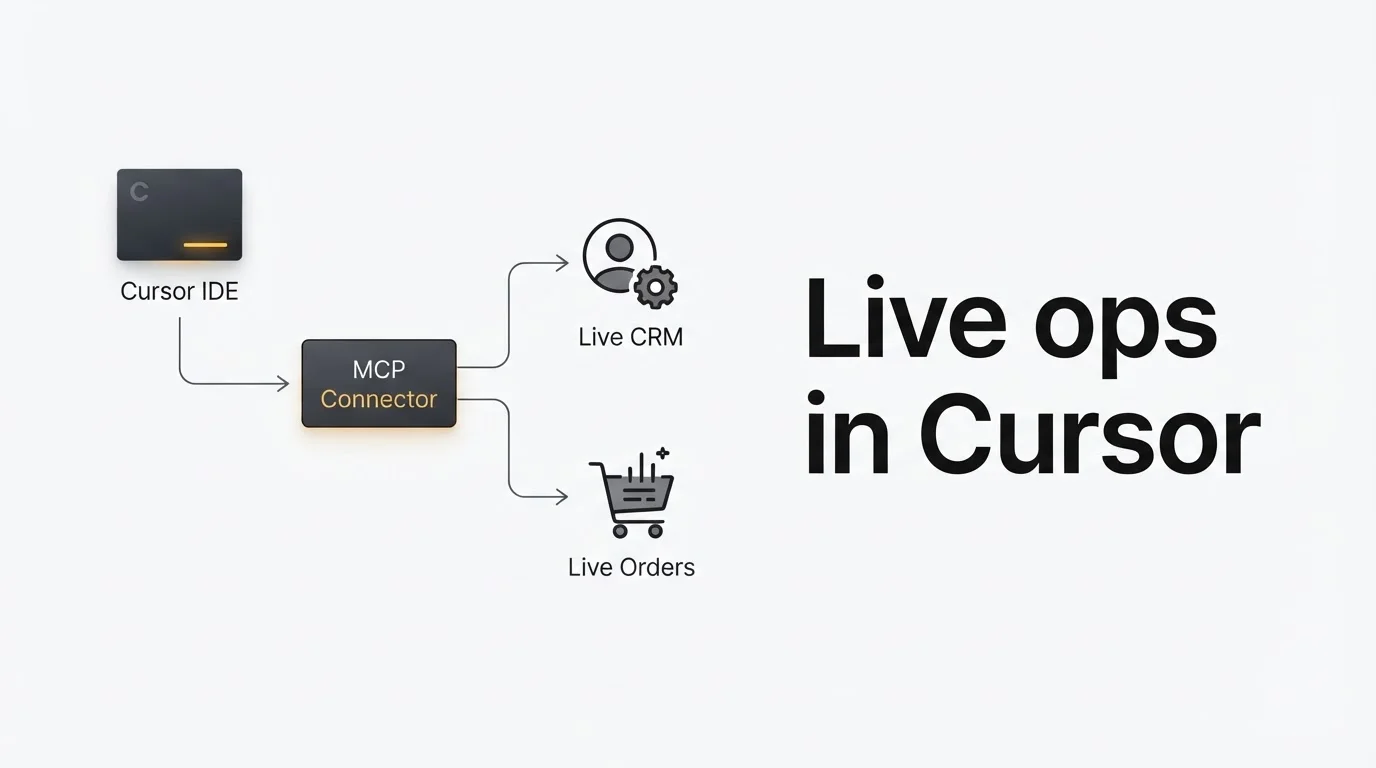
For Q&A over docs, start with AI Agents & RAG. For live tool access from Cursor or Claude, see MCP Servers & Integrations. Document ops often pairs with invoice and document processing.