Blog 385 posts
Notes from the trenches on AI engineering, LLM apps, and the full-stack work that holds it all together.
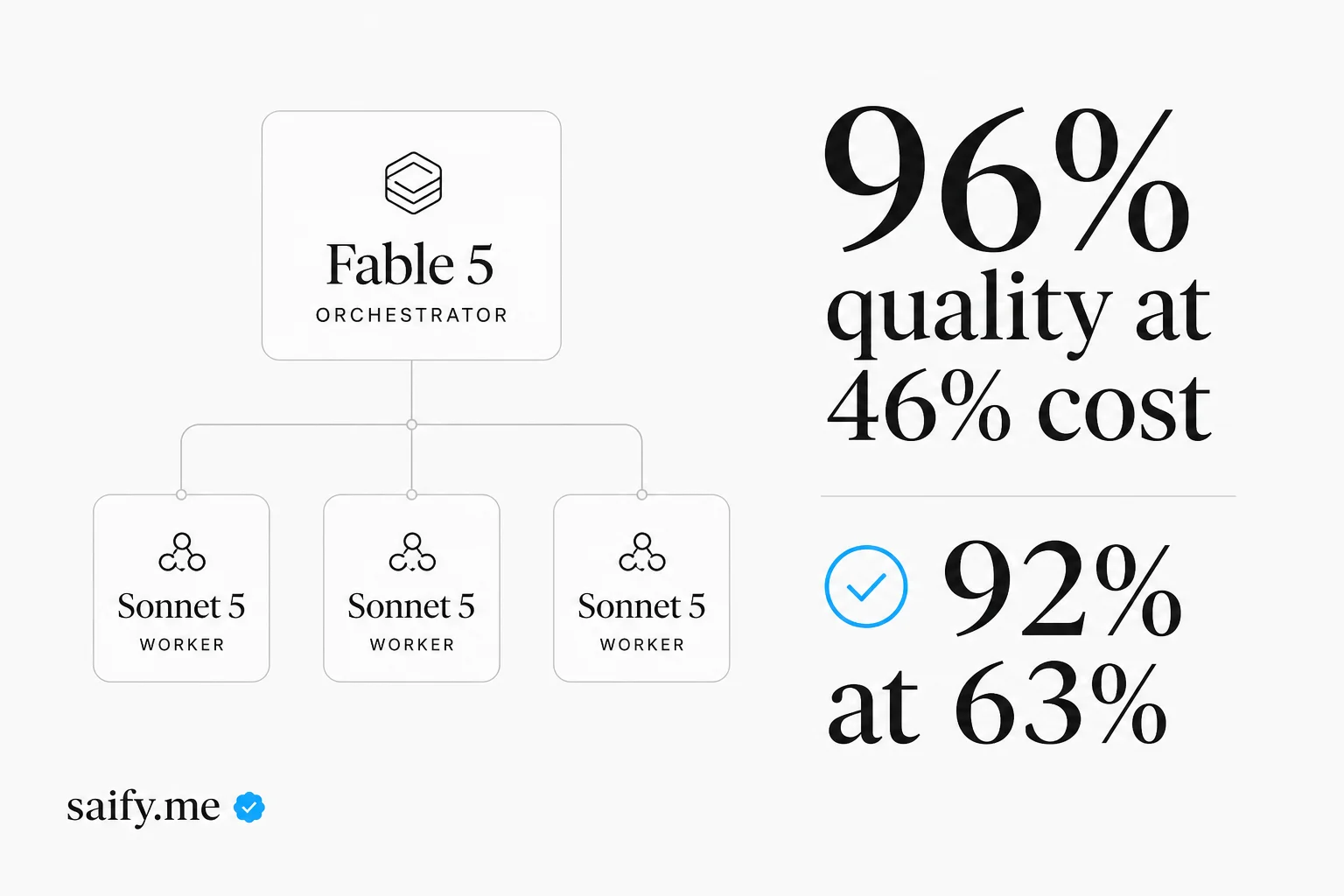
Anthropic published two Claude Managed Agents patterns that keep Fable 5 as the brain while Sonnet 5 does the token-heavy work. On benchmarks, that lands near frontier quality at 46% to 63% of solo Fable cost.
Anthropic moved Claude Cowork sessions to the cloud so tasks keep running after you close your laptop. Scheduled jobs can fire with no device online, and you can steer from your phone when Claude needs a decision.
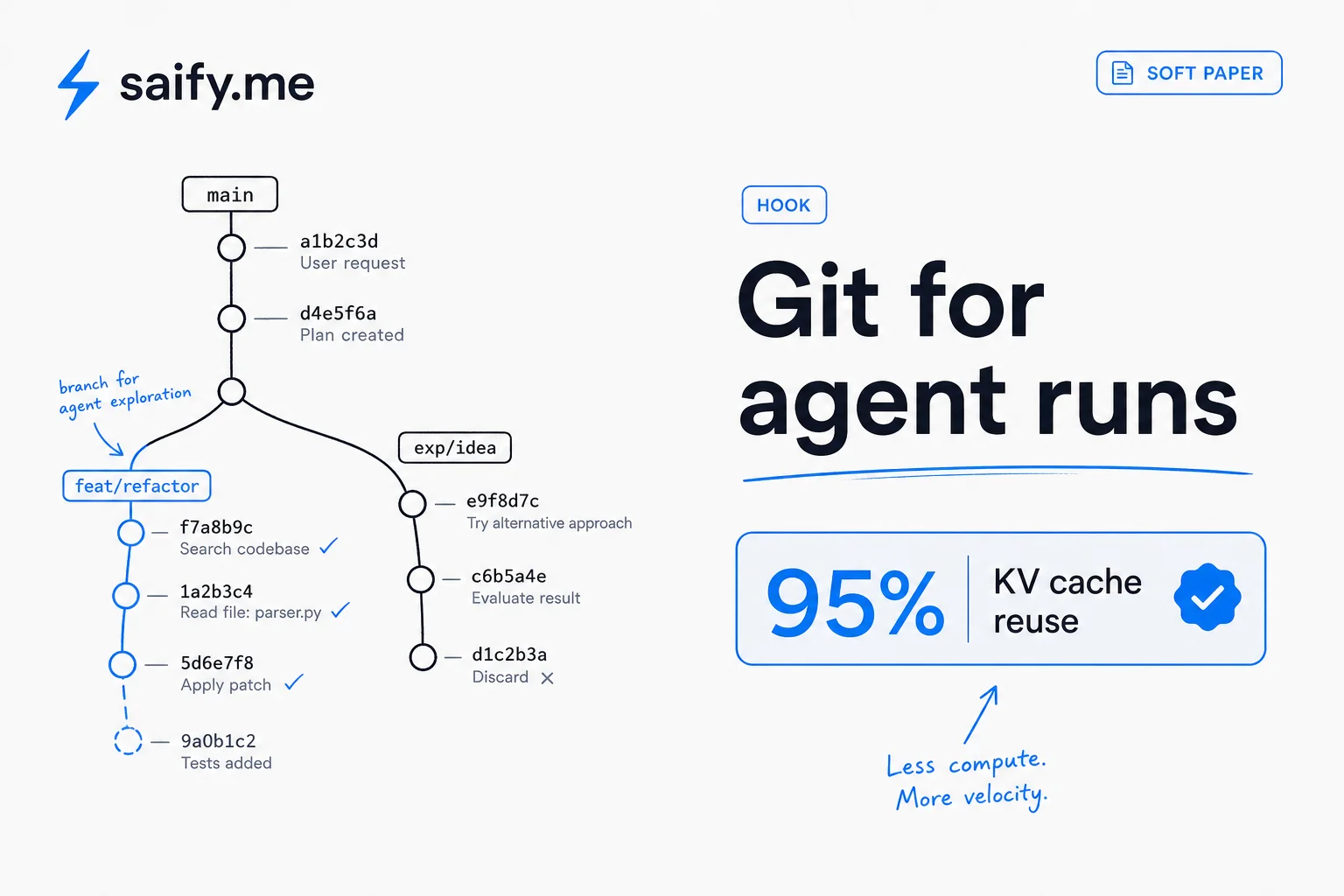
Stanford and Northeastern researchers released Shepherd, a Python runtime that records agent runs as forkable execution traces. Reported results include 5x faster forks than Docker and 95% KV-cache reuse on replay.
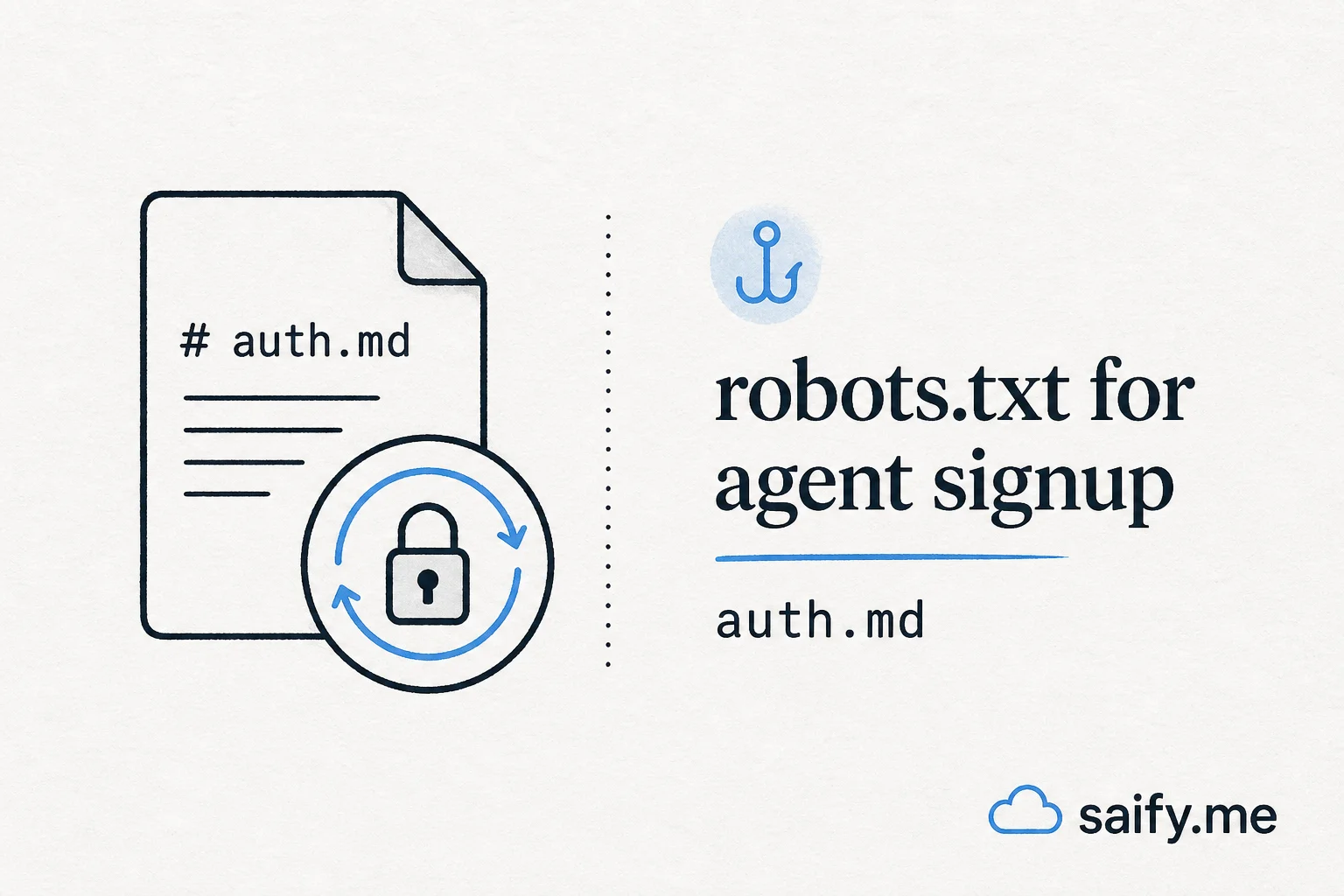
WorkOS published auth.md, an open protocol for agents to register users on web services without sign-up forms. Discovery runs through OAuth Protected Resource Metadata with agent-verified and user-claimed flows.
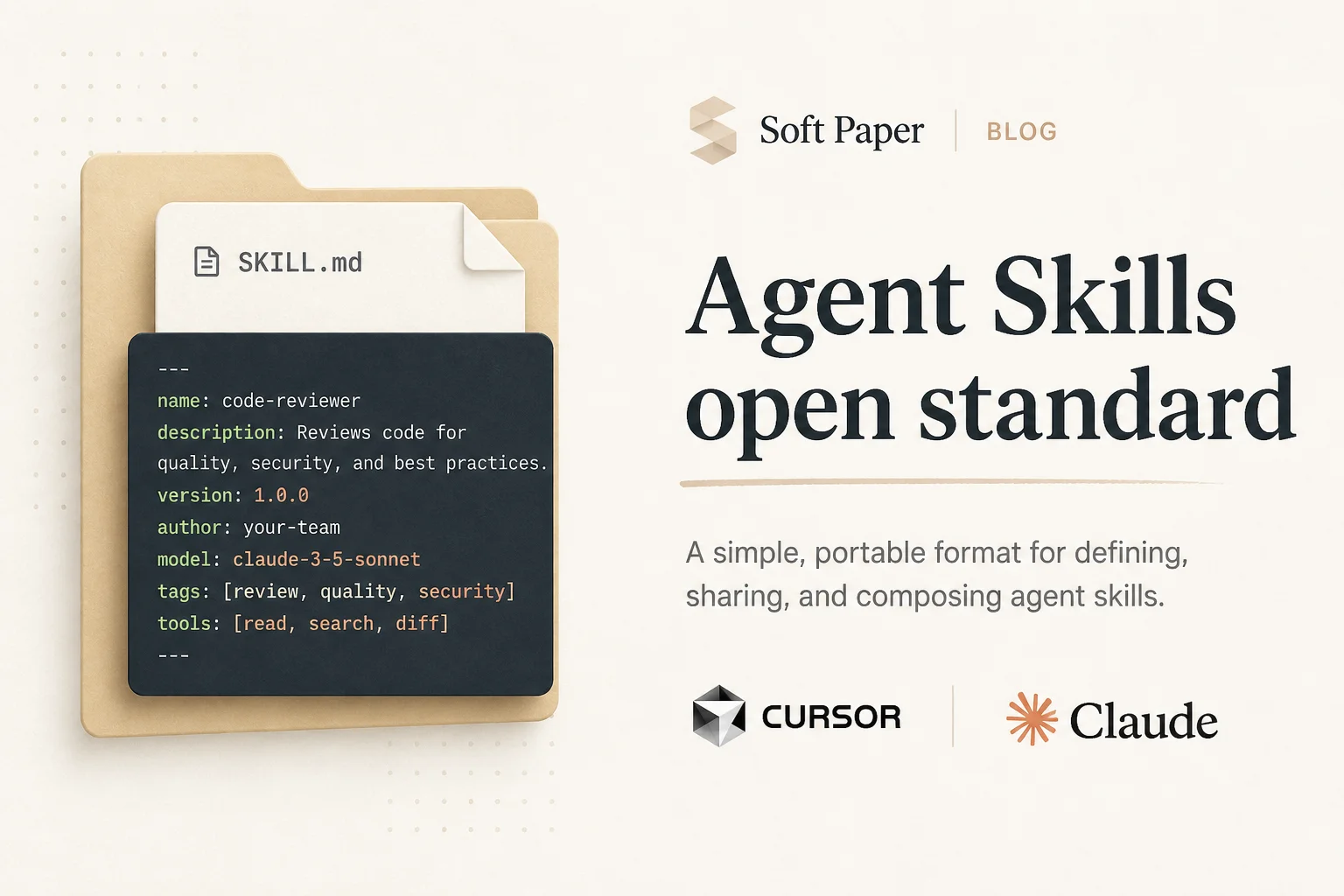
SKILL.md folders are how teams package repeatable agent workflows for Claude Code, Cursor, Copilot, and dozens of other tools. Here is the format, the CLI, and how I use skills in client repos.
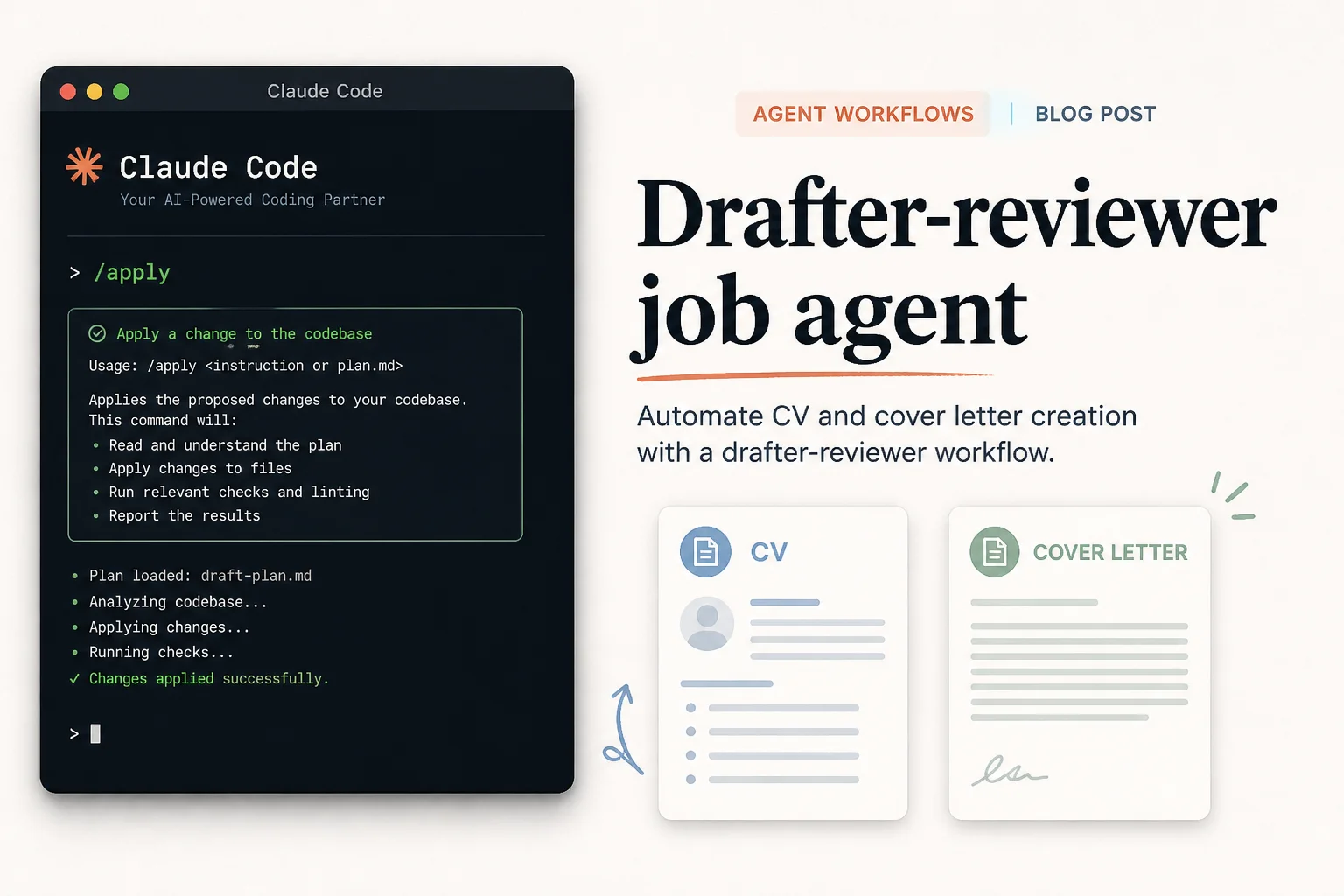
Mads Lorentzen's ai-job-search turns Claude Code into a local-first job application assistant. The insight is not auto-apply spam. It is two agents with separated context windows.
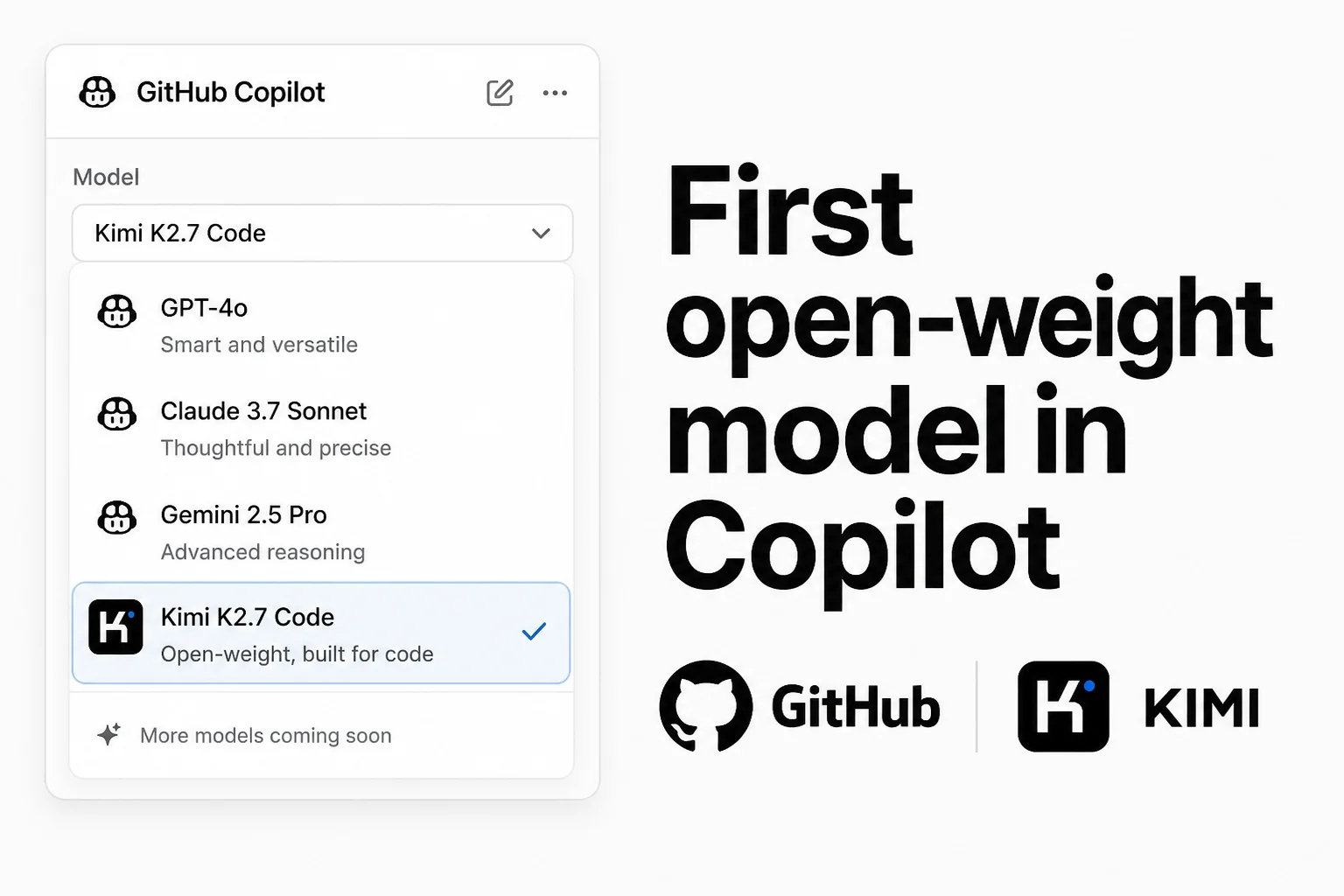
Kimi K2.7 Code is the first open-weight model in Copilot's picker. I break down cost, enterprise policy defaults, and when I would route agent loops to it instead of frontier models.
OpenMed's privacy-filter v2 streams on-device PII redaction across 22 categories at hundreds of tokens per second. For clinics that cannot ship patient text to a cloud API, that speed changes the build vs buy math.