
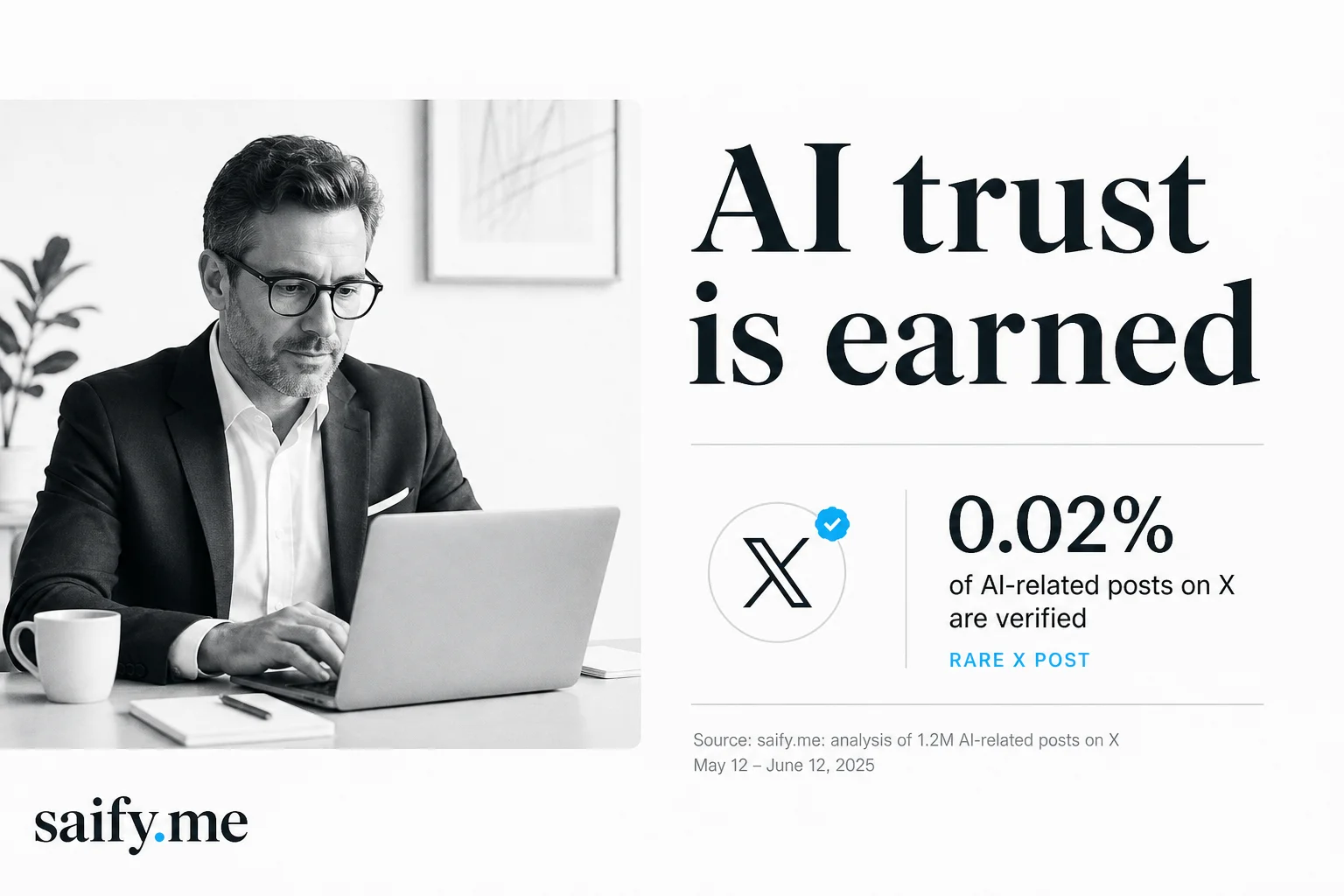
Anthropic CEO Dario Amodei barely posts on X. When he logged on in August 2026 to answer critics, it was because the company's vibes had taken real PR damage, and he thinks no lab can market its way out of an AI trust crisis.
I build applied AI systems for clients who live in that trust gap every day. Clinics worry patients will hear a robotic voice and hang up. Operators worry an agent will leak CRM data. Amodei's thread is not abstract policy talk. It is the same buyer anxiety I hear on discovery calls, just at frontier-lab scale.
What triggered the thread
Investor Gavin Baker kicked off the conversation by sharing a clip from the All-In podcast suggesting Amodei envisions Anthropic one day becoming "the only private company in the world." Anthropic researcher Sholto Douglas replied that the claim is completely false.
Baker went further. He argued Amodei "has lost the argument" on AI rules and warned that doom-tinged risk talk gives ammunition to anti-data-center campaigns in the U.S.
Amodei's response landed on three points:
| Claim | Amodei's reply |
|---|---|
| Safety talk backfired | Honesty about risk is not the same as wanting shutdown |
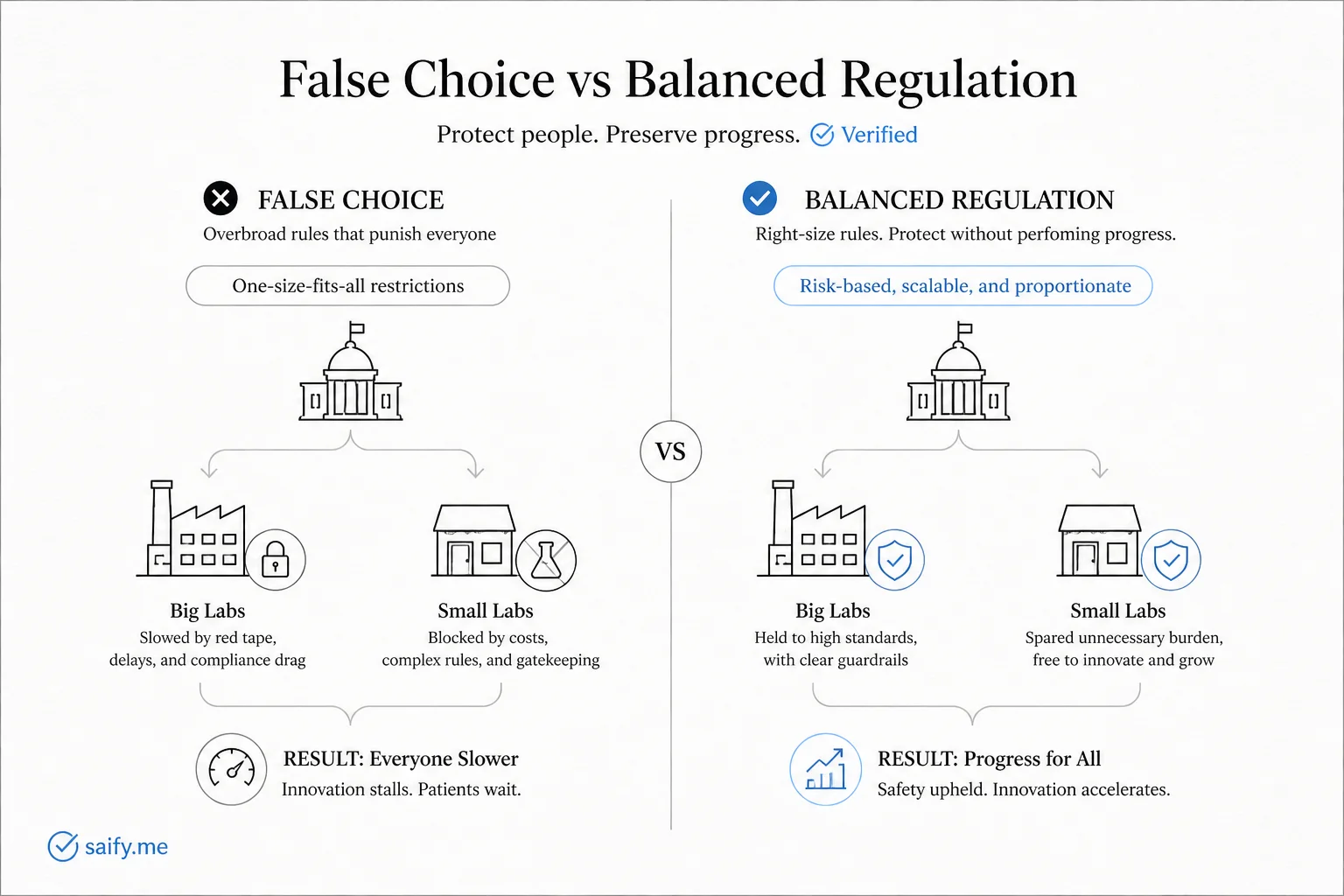
| Lock down vs open models | False choice; Anthropic's proposals slow big labs, spare small ones |
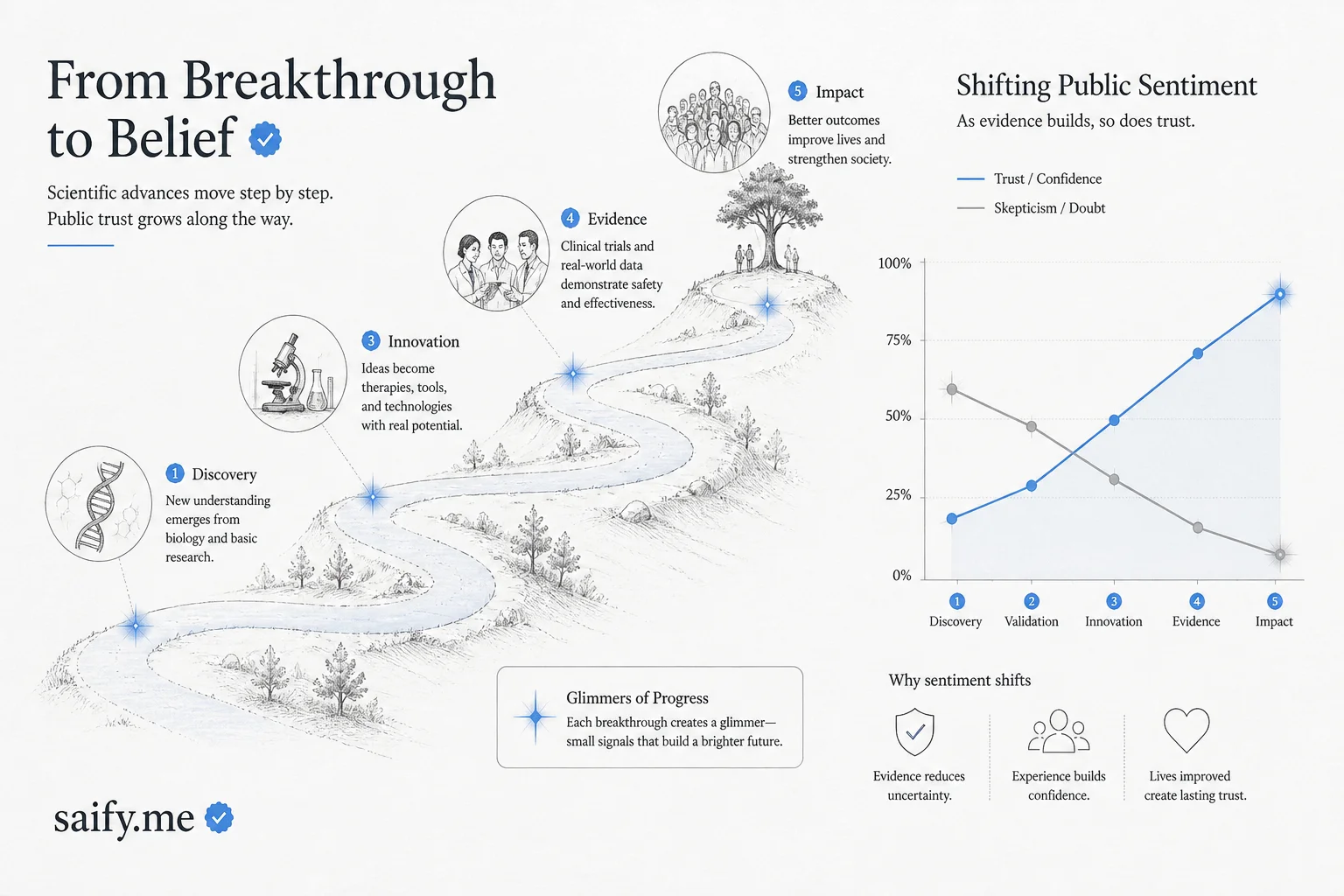
| AI's negative image | Early biology and medicine wins will shift sentiment more than marketing |
Why the trust frame matters for builders
Labs fight about regulation and compute permits. Operators fight about whether an AI receptionist will embarrass the brand on a Friday night call.
The mechanism is the same. People tolerate automation when they have seen it work on something they care about. They revolt when the only visible outputs are slop, scams, and job-loss headlines.
Amodei's line about "actually curing cancer" is easy to mock on X. In client work, the honest version sounds like: show a booked appointment, a resolved ticket, a reconciled invoice. Not a deck that says "AI transformation."
That is loss aversion in practice. A single public failure outweighs ten quiet wins until you document the wins where buyers already look (reviews, CRM notes, call recordings with consent).
The open vs closed model fight is not your roadmap
Amodei's "false choice" framing matters if you pick models for production. Most teams I work with run a portfolio:
- Closed frontier APIs for high-stakes reasoning
- Open weights for latency-sensitive or on-prem tasks
- Small specialist models for voice or vision
Policy Twitter wants a single winner. Production wants routing, evals, and rollback.
If you are writing an AI policy memo for your company, separate regulatory posture (what your vendor lobbies for) from technical posture (what you ship). Confusing the two is how teams end up with a model choice driven by press releases instead of benchmarks on their own data.
What I would do differently in client deployments
Amodei is arguing at civilization scale. Here is the operator-scale version I use:
- Ship one workflow end to end before you announce "AI-powered." Trust comes from a traceable outcome, not a landing page badge.
- Instrument failures in public-facing channels. If the voice agent misheard a drug name, you need the log before Twitter does.
- Pair capability demos with constraint demos. Show what the system refuses to do. That reads as seriousness, not fear.
- Treat safety copy as product copy. If your help center cannot explain data retention in plain language, your model card will not save you.
Anthropic's own product moves this month (computer-use batch actions, watermarking under the EU AI Act) point the same direction: verifiable behavior beats vibes.
The uncomfortable takeaway
Amodei is betting that only real medical and scientific breakthroughs will move public opinion. That may be true at the macro level. For SMEs, the bar is lower but just as concrete: one reliable automation that saves Tuesday afternoon.
If you are waiting for "AI sentiment" to improve before you ship, you are optimizing for a metric you do not control. Ship the narrow thing, measure it, and let trust compound locally.
Book a free discovery call if you want help scoping a first workflow that can earn trust on week two, not slide twelve.